
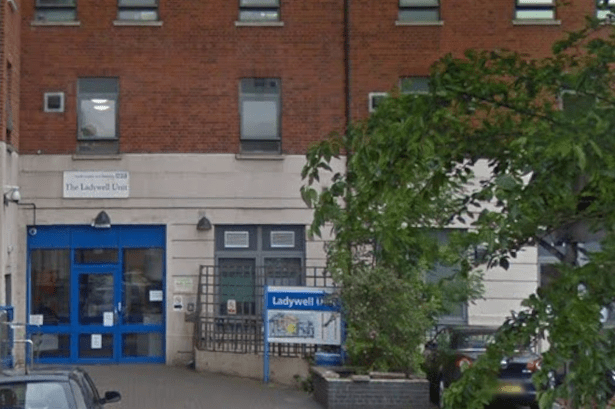
A South London NHS Trust has outlined its plans for service enhancement following a downgrade from ‘Good’ to ‘Requires Improvement’ by the Care Quality Commission (CQC) earlier this year. The South London and Maudsley (SLaM) NHS Foundation Trust received this rating after CQC inspectors identified concerns regarding prolonged waiting times, inadequate working relationships, and issues related to workplace culture and trust.
SLaM is responsible for delivering community and mental health services to children and adults across the London Boroughs of Croydon, Lambeth, Lewisham, and Southwark, in addition to providing several national services. The Trust caters to a population of approximately 1.3 million, with primary facilities including Maudsley Hospital, Bethlem Hospital, Lambeth Hospital, and the Ladywell Unit in Lewisham.
Engagement with Local Authorities
On Tuesday evening, the Trust engaged with Lewisham Council’s Healthier Communities Select Committee to discuss the improvements made since the CQC report was published in February 2026. Adeniyi Aderinto, Service Director for SLaM’s Lewisham and Addiction Services, highlighted that the Trust has been actively redesigning its community framework and is beginning to witness progress across various metrics.
Mr Aderinto remarked, “In Lewisham specifically, we are observing a reduction in bed usage, an increase in patient satisfaction, and enhanced collaboration with our broader community services to ensure we are attentive to their needs.” He also noted that patient referrals are now being addressed more swiftly, with many being seen within a 28-day timeframe. Additionally, efforts are underway to minimise the amount of time patients spend in emergency departments, thereby ensuring the highest quality of care is delivered as promptly as possible.
New Initiatives for Staff and Patient Safety
During the meeting, Mr Aderinto introduced the ‘Guardian Service’, a 24-hour external platform allowing staff to report safety or discrimination concerns anonymously. He explained, “This service operates independently of the Trust. Staff can raise issues without fear of identification, or if they prefer anonymity, they have that option.” Furthermore, a staff forum in Lewisham has been established, enabling employees to pose questions freely, reinforcing an open dialogue within the organisation.
Hugh Williams, Associate Medical Director, discussed ongoing enhancements to the Health Based Place of Safety (HBPoS) located at Maudsley Hospital. This initiative provides a safe space for individuals detained under Section 135/136 of the Mental Health Act 1983, facilitating their management while appropriate evaluations are conducted. Mr Williams stated, “We have introduced a swing bed model at Maudsley Hospital, allowing patients to be both detained and treated in the same location.” He acknowledged past uncertainties surrounding the legal status of individuals at the facility, particularly when they had exceeded the 136-hour limit without being transferred to a bed.
Ongoing Improvements and Future Plans
As part of the HBPoS initiative, plans are in place to introduce a garden and enhance mandatory training for staff. A comprehensive council report detailing the Trust’s Action Plan was made available prior to the meeting. Other significant developments include the launch of a new policy aimed at securing protected funding and additional working hours for staff networks, including those focused on race, disability, and sexual orientation, thereby ensuring their insights contribute to hospital decision-making.
Moreover, the Trust has undertaken a complete review of its safety investigations, successfully addressing previous backlogs and retraining teams to expedite the investigation of patient safety incidents. This initiative aims to provide families with prompt explanations and to share lessons learned within the organisation. The design of a new electronic patient record system is currently in the hands of doctors and nurses, while senior executives, non-executives, and governors are engaging in more frequent site visits to foster direct communication with frontline staff and eliminate remaining barriers.
The CQC’s Well Led inspection of the Trust, conducted between June and October 2025, identified 15 areas requiring improvement. In March 2026, an Action Plan was submitted to the CQC in response to their findings, aimed at addressing the regulator’s feedback. During the meeting, the Committee acknowledged the Action Plan and requested a follow-up update from the Trust in six months to a year’s time.
Stay informed on the most significant local developments by subscribing to the MySouthLondon newsletter, where you can receive daily news and updates.


More Stories
Weddings by Anita: documentary-style wedding photography in London
Wedding photographers in London
Meet Britain’s Strongest Schoolgirl: The Edgware Weightlifter Breaking Stereotypes