
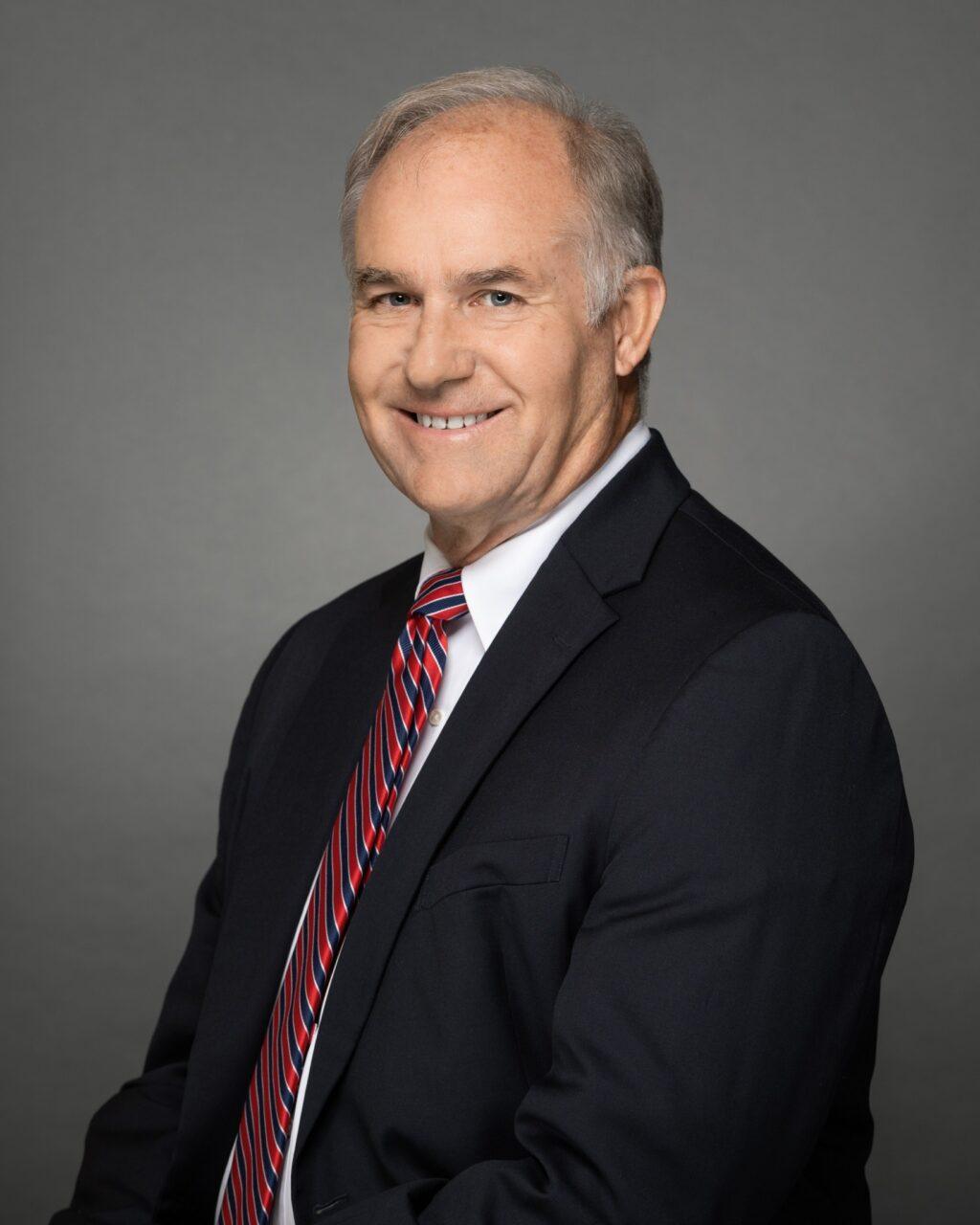
NASA Administrator Jared Isaacman has appointed Stephen Cash as the new director of the Marshall Space Flight Center in Huntsville, Alabama, effective Monday, 19th October. Cash, a seasoned engineer and aerospace executive with NASA, returns to the centre where he commenced his career over four decades ago.
Celebrating a Legacy of Excellence
“The contributions made by Marshall to NASA’s missions are historic, and it is evident why it is regarded as the Centre of Excellence for propulsion,” remarked Isaacman. “Steve Cash is a legend at Marshall, having dedicated his career to the hardware and the personnel, and has previously made critical decisions in the field of human spaceflight. As Marshall embarks on its pivotal role in the Artemis programme and faces new challenges in advanced propulsion and nuclear power, Steve’s wealth of experience, technical acumen, and focus on mission success will be invaluable in steering the centre into its next chapter. I also wish to extend my gratitude to Rae Ann Meyer for her leadership during this transitional period and for her ongoing service to NASA.”
Commitment to Workforce Development
Amit Kshatriya, NASA’s associate administrator and chief engineer, emphasised the importance of a director’s commitment to both the staff and the technical capabilities of the centre. “Steve appreciates that the true strength of Marshall lies within its workforce, and that engineering excellence is cultivated through providing talented individuals the chance to design, build, test, and learn through practical engagement. As Marshall continues to enhance its capabilities in manufacturing, structural loads and dynamics, and propulsion, Steve’s leadership will be instrumental in ensuring the workforce is equipped to develop and utilise the necessary skills for the agency’s most ambitious missions.”
Leadership of a Major Centre
In his role as centre director, Cash will oversee one of NASA’s largest field centres, managing a team of over 5,000 civil service and contractor employees, along with a diverse portfolio that includes propulsion, space systems, scientific research, and technology development activities. Marshall is integral to NASA’s Artemis programme, contributing to the development of the Space Launch System (SLS) rocket, as well as managing the Human Landing System Programme, which supports sustained exploration of the Moon and future missions to Mars. Additionally, Marshall is at the forefront of advancements in nuclear power and propulsion, an area expected to expand as NASA prepares to send humans to Mars.
A Return to Roots
“It is a profound honour to return home to the Marshall Space Flight Center,” stated Cash. “I am humbled to work alongside the brilliant minds here as we continue to make the impossible a part of everyday history.”
A Distinguished Career
Cash began his journey with NASA at Marshall in 1982 and dedicated 34 years to the agency, occupying senior engineering and management roles that supported some of the country’s most significant human spaceflight programmes. He previously served as the manager of Marshall’s Space Shuttle Propulsion Office, where he oversaw critical propulsion systems for the shuttle during its final missions. He later became the director of Marshall’s Safety and Mission Assurance Directorate from 2011 until his retirement in 2016, where he provided leadership in safety, reliability, and quality engineering to ensure mission success across the centre.
Continuing Contributions to Aerospace
After retiring from NASA, Cash continued to make significant contributions to the aerospace industry, including a position as vice president for advanced space systems at Axient, overseeing the development and execution of major spaceflight programmes. In 2024, he was inducted into the Alabama Engineering Hall of Fame, recognising his contributions to engineering and the nation’s space programme.
Transition of Leadership
Cash succeeds Rae Ann Meyer, who has served as the acting centre director since September 2025. Meyer, who previously held roles as Marshall’s deputy centre director and associate director, has provided essential leadership and continuity across the centre’s programmes and operations during her tenure. She will return to her position as Deputy Centre Director.
Since its establishment in 1960, Marshall has been a cornerstone of American space exploration for over sixty years, from developing the Saturn rockets that transported astronauts to the Moon during the Apollo missions to advancing the propulsion systems and technologies that will support the next era of human spaceflight.
For further information about NASA’s Marshall Space Flight Center, please visit: https://www.nasa.gov/marshall




More Stories
Discovering the Essence of Artemis: An Insightful Journey with Allison Mjoen
NASA Set to Reveal Secrets of Mars’ Moons in Exciting New Mission
In-Depth Analysis Validates Performance of NASA’s Artemis II Heat Shield