
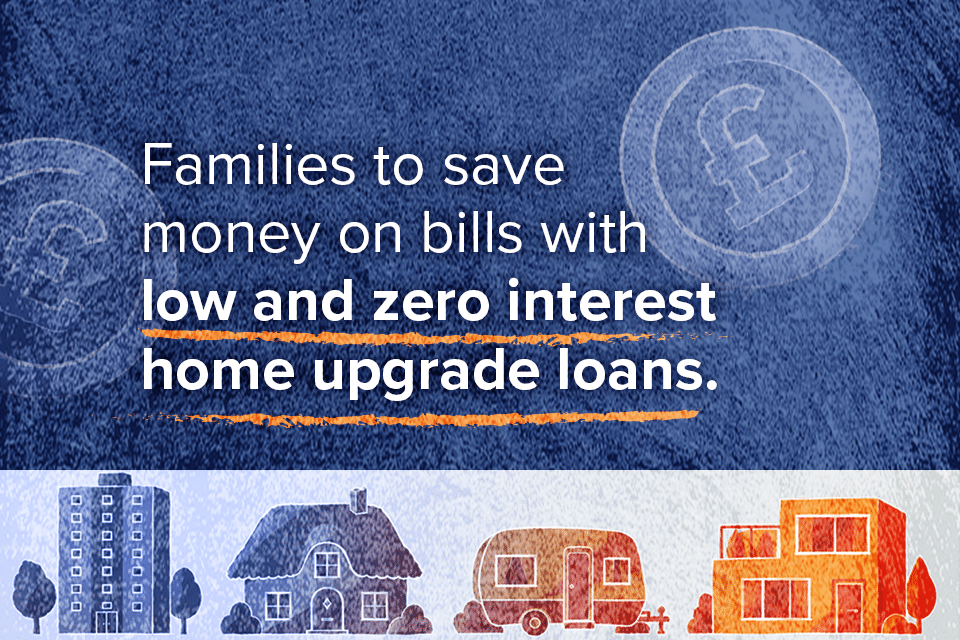
Households across the UK stand to benefit from significant savings on their energy bills, thanks to the introduction of the Warm Homes Loan Scheme. This initiative aims to support the installation of clean energy technologies, such as heat pumps, batteries, and solar panels, by offering no- and low-interest loans. These loans enable homeowners to adopt environmentally friendly solutions without any initial outlay, allowing payments to be spread over an extended period.
The demand for such technologies has been rapidly increasing; during the first half of this year alone, nearly 150,000 solar panel installations were recorded, while heat pump sales reached unprecedented levels. The loan scheme is expected to assist thousands more households in reducing their energy costs swiftly.
Affordability of Essential Energy
Energy remains a fundamental necessity, and its affordability is vital for all households. The government’s approach focuses on alleviating the financial burden associated with the upfront costs of installing renewable energy systems like solar panels and heat pumps. These upgrades not only lower energy bills but also help shield families from fluctuations in energy prices driven by international conflicts.
Through these loans, families can anticipate substantial annual savings. For instance, the installation of a heat pump, a battery, and solar panels could lead to savings of approximately £550 annually, with the potential for an additional £300 per year if utilising a time-of-use tariff.
Eligibility and Interest Rates
These loans are accessible to households throughout the UK, encompassing England, Scotland, Wales, and Northern Ireland. The government has collaborated with financial institutions to provide an interest rate reduction of up to 5% compared to typical loans from banks and high street lenders. For example, a homeowner borrowing £10,000 at an 8% interest rate over a seven-year term would typically pay around £155 per month, but could potentially save up to £285 per year through this loan scheme.
Currently, ten lenders are participating in the scheme, some offering interest-free loans. This competitive landscape allows borrowers to select the loan that best suits their needs, with repayment periods extending up to thirty years in some cases.
Loan Amounts and Installation Standards
The maximum loan amounts available under this scheme vary by technology:
- Solar panels – up to £15,000
- Electrical storage battery – up to £15,000
- Air-water source heat pump – up to £20,000
- Air-air source heat pump – up to £10,000 (when MCS certification is available)
- Ground source heat pump – up to £35,000
- Biomass boiler – up to £20,000
- Heat network connection – up to £7,500
- Micro-renewable system – up to £20,000
All installations, with the exception of heat network connections, will be conducted by MCS-certified installers. This ensures that accepted technical and consumer protection standards are upheld, providing consumers with confidence in the quality of the work performed.
How to Access More Information
For those considering energy upgrades, free advice is available via GOV.UK, aiding homeowners in identifying the most suitable options for their properties. Individuals should also explore the possibility of combining their loan with a grant of up to £9,000 through the government’s Boiler Upgrade Scheme or Home Energy Scotland in Scotland, further reducing installation costs.
Prospective borrowers are encouraged to compare installation quotes and choose the loan that aligns best with their financial situation. Careful consideration should be given to the total repayment amount, including the repayment duration and monthly fees. Some lenders may partner with specific installers, while others allow a broader choice among MCS-certified professionals.
The application process involves submitting details to a participating lender or installer, who will then conduct standard affordability and eligibility checks. If successful, it is essential to keep records of the application, including quotes, finance agreements, invoices, proof of purchase, and MCS certificates.
Industry Leaders Back the Scheme
Energy Secretary Miatta Fahnbulleh emphasised the importance of making energy affordable for all households, stating that these government-supported loans will facilitate vital home upgrades without any initial costs, ultimately leading to warmer and more cost-effective living spaces.
Dr Rhian-Mari Thomas OBE, Chief Executive of The Green Finance Institute, noted the collaborative effort that brought the Warm Homes Loan Scheme to fruition, highlighting the united front of lenders, consumer advocates, government, and industry to create financial solutions that promote energy efficiency.
Various industry leaders from participating lenders echoed the sentiment that affordable finance is crucial for enabling homeowners to invest in sustainable energy solutions. They expressed pride in contributing to the scheme, which aims to make cleaner, energy-efficient homes accessible to a broader audience.
Real-Life Success Stories
Several case studies illustrate the positive impact of the Warm Homes Loan Scheme on individual households. For instance, Beth from Birmingham installed solar panels and a battery, resulting in projected annual savings of £1,050. She expressed relief at securing her own energy source, highlighting the importance of energy security alongside financial savings.
Similarly, Tony from Bedfordshire opted for a solar installation without upfront costs and is on track to save over £600 annually. His friends, initially sceptical, have since become interested in making similar upgrades after witnessing his success.
David from Bristol, who installed an air source heat pump alongside solar technology, anticipates yearly savings of £1,694. He remarked on the significance of utilising renewable energy and reducing dependence on fossil fuels.
Stuart from Stirling emphasised the advantage of being able to invest in solar energy without a substantial upfront payment. He estimates his first-year savings to be between £400 and £500, demonstrating how the scheme can make renewable energy accessible to more individuals.



More Stories
Rogue Skip Hire Operator Receives Suspended Prison Sentence for Misconduct
Joint Statement from UK and Germany: Strengthening Defence Cooperation for a Safer Future
UK Takes Charge of Multinational Military Training Exercise Aimed at Ensuring Peace in Ukraine