
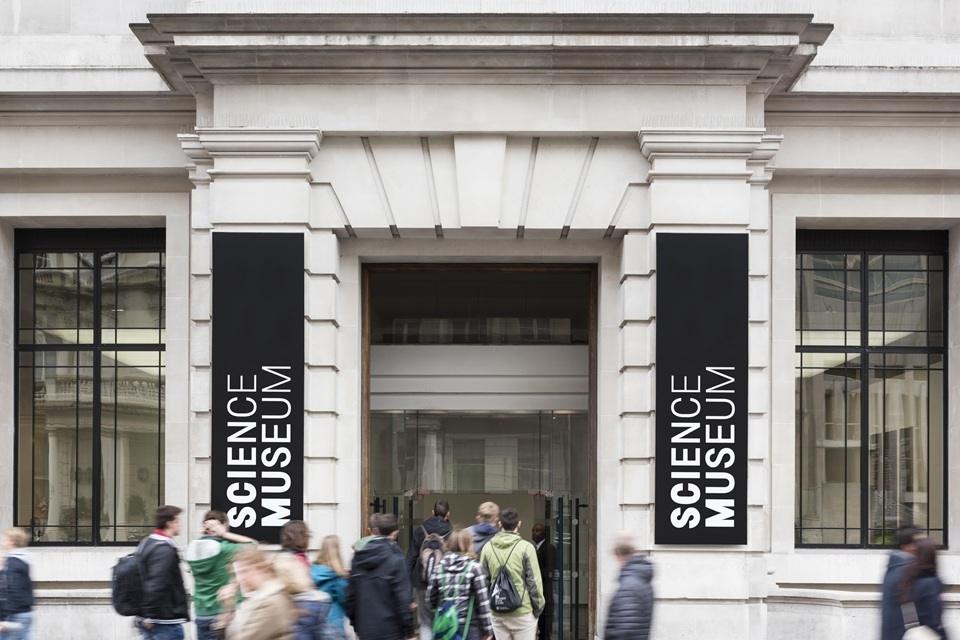
The Government Actuary’s Department (GAD) has collaborated with the Science Museum Group (SMG) to evaluate its exposure to climate-related risks and opportunities, alongside providing strategic recommendations aimed at enhancing resilience and mitigating potential impacts.
Understanding the Science Museum Group’s Context
The SMG oversees several of the UK’s most frequented cultural establishments, including the Science Museum and the National Railway Museum. These sites house invaluable collections and attract millions of visitors annually.
As a public entity, the SMG is obligated to report on how climate change may influence its financial standing and operational capabilities. This obligation stems from the Task Force on Climate-related Financial Disclosures (TCFD), a global initiative designed to assist organisations in identifying, assessing, and preparing for climate-related risks. In this context, HM Treasury has issued guidance to aid public bodies in fulfilling these responsibilities.
Phased Approach to Support
The GAD provided comprehensive support to the SMG through several interconnected phases of work.
Initial Gap Analysis
This marked the first instance where the SMG was formally mandated to address the strategic aspect of the TCFD framework, which encompasses how an organisation identifies and reacts to climate-related risks and opportunities within its business model and planning processes.
Although this requirement was novel, the SMG had previously engaged in initiatives assessing the actual and potential impacts of climate-related risks. The GAD team meticulously reviewed all pertinent work to ascertain where current practices aligned with disclosure requirements and where further enhancements were necessary.
This thorough evaluation enabled us to conduct a structured assessment, providing the SMG with a clear understanding of its current position and helping to prioritise subsequent actions, thereby steering the later stages of the project.
Risk Identification and Stakeholder Engagement
Following the completion of the initial assessment, we facilitated collaborative workshops involving a diverse array of SMG stakeholders to create and refine an exhaustive register of climate-related risks and opportunities.
We subsequently mapped the pathways through which identified physical climate hazards—such as flooding and extreme heat—and transition risks, including regulatory changes and the financial implications of moving towards net zero, could directly or indirectly affect the SMG’s financial and operational landscape.
To prioritise these climate-related risks, we employed surveys targeting key SMG stakeholders alongside the SMG’s existing risk matrix, ensuring consistency with broader organisational risk management practices.
Tailored Climate Scenario Development
We crafted four bespoke climate scenarios specifically tailored to the SMG’s mission, strategy, estate, and operational context. These scenarios were designed to translate global reference scenarios into narratives that resonate with the SMG.
The development of these scenarios was facilitated through interactive workshops led by GAD, incorporating insights from various departments within the SMG to ensure the scenarios were both meaningful and relevant to the organisation.
Comprehensive Scenario Analysis
Our analysis involved both qualitative and quantitative assessments of the prioritised physical and transition risks within the context of the bespoke scenarios. We evaluated the likelihood and financial implications of each risk across three distinct timeframes and two scenarios, illustrating how risks might evolve under varying climate conditions.
This scenario analysis entailed synthesising climate data alongside the SMG’s own financial and operational metrics.
Additionally, we provided a series of tailored recommendations for risk mitigation aimed at enhancing the SMG’s resilience to climate-related threats.
Impact and Future Directions
The initiative has equipped the SMG with a clearly prioritised inventory of climate-related risks and opportunities, which have been consistently assessed. The four bespoke climate scenarios are firmly rooted in the SMG’s unique context rather than generic national or global statistics. Consequently, they can be seamlessly integrated into the organisation’s existing risk management protocols and utilised for ongoing strategic and financial planning and decision-making.
Furthermore, the SMG now possesses a definitive set of recommendations for advancing its strategies related to climate risk reduction and enhancing analytical capabilities.
This work has fortified the SMG’s foundation for TCFD-aligned reporting and has underscored its commitment to climate leadership within the cultural sector.
Endorsement from the Science Museum Group
David Jones, Deputy Finance Director at the SMG, expressed, “The Government Actuary’s Department has been instrumental in supporting our efforts to incorporate climate impacts, mitigation, and adaptation into our strategic thinking. They have provided us with a clear roadmap for our next steps. By engaging thoroughly with our operations through surveys and workshops, GAD has enabled us to articulate the risks we face and the potential implications for our operations.”
He added, “The development of four potential climate scenarios and their implications for our operations has greatly facilitated our engagement with internal stakeholders. We are sincerely grateful to the GAD team for their expert support and guidance.”
Engagement with the Climate and Disaster Risk Team
The Climate and Disaster Risk team at GAD merges expertise in climate science, risk management, and financial analysis. This collective knowledge is leveraged to assist public bodies in transitioning from awareness to actionable strategies regarding climate-related risks. For further information, interested parties are encouraged to reach out via email at Climate.Change@gad.gov.uk.



More Stories
UK Prime Minister to Hold Key Talks with President Zelenskyy of Ukraine on 14 October 2026
Government Launches Ambitious Initiative to Restore Churches and Revitalise Heritage Buildings Across England
UK Government Allocates Funds for Vital Repairs to Chornobyl Nuclear Power Plant Following Russian Drone Strike