
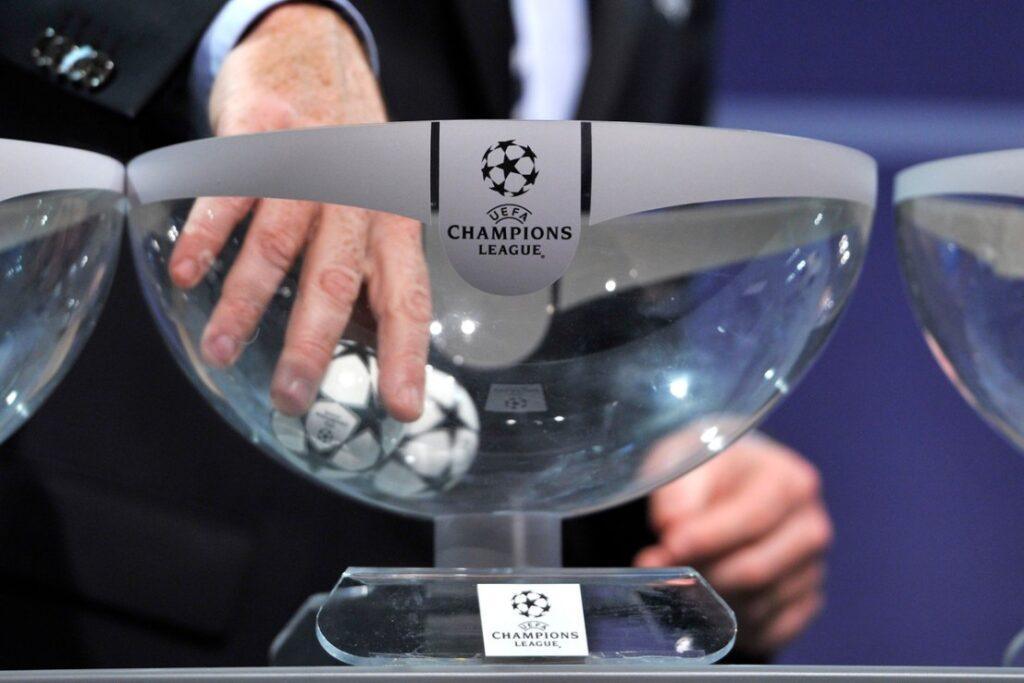
UEFA is set to utilise an upcoming Champions League summit to officially end its boycott of FIFA events. This significant decision comes as part of a broader strategy to address ongoing tensions within the world of football governance, particularly concerning Gianni Infantino’s leadership.
Strategic Shift in UEFA’s Stance
The summit presents an opportunity for UEFA to recalibrate its relationship with FIFA, amidst criticisms and concerns surrounding Infantino’s presidency. This shift indicates UEFA’s intention to engage constructively with FIFA, potentially paving the way for collaborative efforts in future football initiatives. By calling off the boycott, UEFA aims to foster a more cooperative environment, which may also serve to strengthen its position in discussions about the sport’s future.
Despite this rapprochement, the atmosphere remains charged, as UEFA continues to strategise on how best to address the issues it perceives with Infantino’s administration. The dynamics of this relationship will be crucial as UEFA navigates its plans to advocate for reform within FIFA, ensuring that the interests of European football are duly represented.
Addressing Leadership Concerns
With Infantino at the helm, UEFA has voiced concerns regarding transparency and governance within FIFA. The upcoming summit is expected to delve into these issues, with UEFA officials likely to outline their vision for a more accountable and effective football governance structure. This conversation is particularly pertinent as FIFA faces scrutiny over various decisions that have sparked debate among football stakeholders.
As UEFA re-engages with FIFA, it is also crucial for the organisation to clarify its objectives and the specific changes it seeks to implement. The discussions at the summit may serve as a platform for UEFA to articulate its stance on key issues, as well as to propose solutions that could enhance the integrity of the sport globally.
Future Implications for Football Governance
The outcome of these discussions will have significant ramifications for football governance, both in Europe and worldwide. UEFA’s decision to end the boycott signifies a willingness to work within the existing framework while seeking to instigate meaningful change from within. As the summit unfolds, stakeholders from various levels of football will be keenly observing how these negotiations develop.
Furthermore, the resolution of tensions between these two major football governing bodies could lead to a more harmonious relationship, which is essential for the sport’s growth and sustainability. As UEFA takes steps to redefine its engagement with FIFA, the landscape of international football governance is poised for potential transformation.



More Stories
Omaze Faces Legal Battle Over Tax Dispute Regarding Luxury House Prize Giveaways
Post Office Considers Acquisition of ATM Operator to Boost Cashpoint Network Expansion
FCA Lifts Ban on Libor Traders Following Court’s Overturn of Rate-Rigging Convictions