
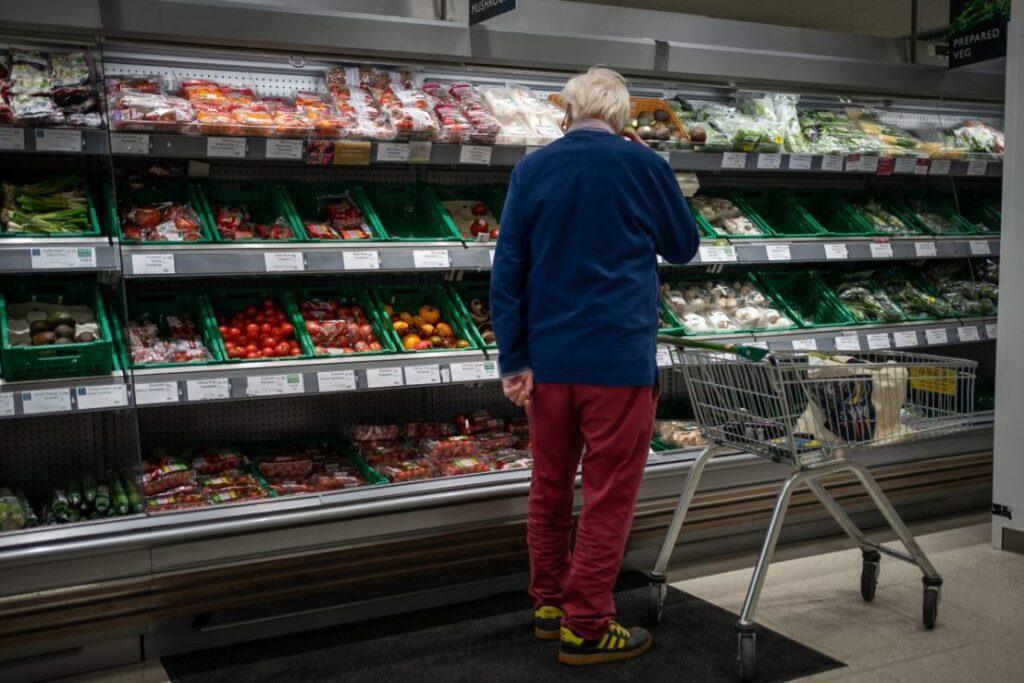
Food inflation in the UK experienced a notable decline in July, reaching levels not seen in nearly five years. This downward trend has been attributed to the efforts of retailers who assert that they are making concerted efforts to protect consumers from escalating prices.
Efforts by Retailers to Mitigate Price Increases
Many retailers have publicly committed to strategies aimed at stabilising food prices, highlighting their role in alleviating the financial burden on households. These strategies include price-lock guarantees and promotional discounts, which are designed to provide consumers with a sense of security amid fluctuating costs. Retailers argue that such initiatives are crucial for maintaining customer loyalty and trust during challenging economic times.
The current climate of food inflation has compelled many retailers to reassess their pricing structures. By actively engaging in price management, they aim to counteract the widespread perception of rising costs, thereby fostering a more favourable shopping experience for their customers. Industry experts suggest that these measures could play a significant role in shaping consumer behaviour in the coming months.
Understanding the Broader Economic Context
While the recent data indicates a positive shift regarding food inflation, it is essential to consider the broader economic landscape. Factors such as supply chain disruptions, changes in consumer demand, and global commodity prices continue to exert pressure on the retail sector. As these elements evolve, the potential for further fluctuations in food prices remains a possibility.
Moreover, the long-term implications of current inflation trends are yet to be fully realised. Economists warn that sustained fluctuations in food prices may ultimately influence overall inflation rates and impact consumer spending habits. This dynamic underscores the importance of monitoring both retail strategies and economic indicators closely.
Consumer Sentiment and Future Outlook
The decrease in food inflation has been met with cautious optimism from consumers, who are eager for relief from financial pressures. As retailers strive to maintain competitive pricing, consumer sentiment could play a pivotal role in shaping the retail landscape over the next year. Should prices stabilise further, it may lead to an increase in consumer confidence and spending, fostering a more robust economic recovery.
As the situation develops, the retail sector will need to remain vigilant and adaptive, ensuring that they continue to meet the needs of their customers while navigating the complexities of the current market. The ongoing dialogue between retailers and consumers will be crucial in determining the future trajectory of food prices and overall economic stability.




More Stories
Healey’s £1 Billion London Office Raid: A Threat to Economic Growth
Culture Secretary Lisa Nandy Considers Intervention in Sky’s Acquisition of ITV
Nvidia’s £250m Investment in UK AI Raises Concerns Over Foreign Dependence