
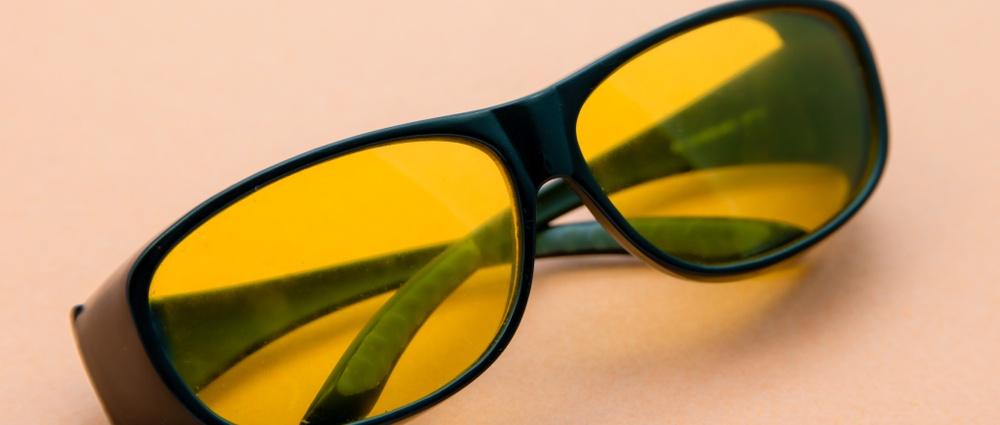
Blue light filters have become increasingly prevalent in digital devices, designed to shield our eyes from the potentially harmful effects of blue light exposure. With the rise of screen usage, the implications of blue light on our vision and overall health have sparked considerable debate within the medical community.
Understanding Blue Light Exposure
In today’s digital age, many individuals spend several hours each day engaging with screens that emit varying levels of blue light. This exposure raises questions about whether blue light filters are beneficial in mitigating any adverse effects. Blue light is classified as high-energy visible (HEV) light, with sunlight being its primary source. Unlike other light types, the human eye lacks the ability to filter blue light effectively, allowing it to reach the retina without hindrance.
Given the concerns surrounding blue light exposure, filters have become standard across a range of products, from smartphones to computer screens. While research indicates that prolonged exposure to elevated levels of blue light could potentially harm the retina, blue light blocking glasses have shown promise in preventing up to 80% of this damage. However, when considering smaller amounts of blue light, the focus shifts from eye health to its broader effects on bodily functions.
The Impact on Sleep and Wellbeing
Blue light exposure can interfere with our circadian rhythms by stimulating the brain and sending signals that disrupt the natural production of melatonin, the hormone responsible for regulating sleep. This disruption often results in difficulties falling asleep, particularly when exposed to artificial light sources before bedtime. Reducing screen time in the hours leading up to sleep can enhance sleep quality, and for necessary screen use, blue light filters may help limit exposure.
Current studies suggest that while blue light can indeed cause retinal damage, the evidence predominantly relates to extreme and prolonged exposure. The effects of everyday blue light exposure remain unclear, and the efficacy of blue light filters in preventing or alleviating digital eye strain continues to be a topic of investigation. Experts, such as behavioural optometrist Bhavin Shah, express caution regarding the claims made about blue light filters, advocating instead for broader spectral filters that provide greater comfort in varying conditions, such as driving in overcast weather.
The Role of Mental Health in Digital Consumption
In addition to physical health concerns, the digital landscape poses challenges for mental wellbeing. During times of widespread distress, many individuals resort to excessive news consumption, a behaviour known as ‘doomscrolling.’ This phenomenon can negatively impact mental health, leading to increased anxiety and a sense of helplessness.
The ongoing legal proceedings involving major social media platforms, including Meta and its CEO Mark Zuckerberg, have raised critical questions about the addictive nature of social media. Discussions with neurologists have explored the potential impact of social media use on brain function and mental health. As these trials develop, the focus on the relationship between technology and our wellbeing remains paramount.
Resources for Health Management
For individuals seeking reliable information on health-related topics, trusted patient information leaflets offer clinically reviewed advice on various conditions, symptoms, and treatments. Additionally, resources are available for those looking to engage with health professionals, participate in clinical trials, or explore lifestyle guidance aimed at enhancing everyday wellbeing.
With a wealth of resources at their disposal, individuals can take charge of their health, utilising tools and information designed to support informed decision-making. Whether it’s navigating dietary choices or engaging in mental health discussions, access to accurate and supportive information is crucial in managing one’s health effectively.




More Stories
Understanding Weight Regain: Key Reasons Behind Losing Pounds and Gaining Them Back
Is Your Nose Causing You Trouble? Discover If You Might Have a Deviated Septum!
Understanding Severe Drought: Causes, Effects, and Solutions