
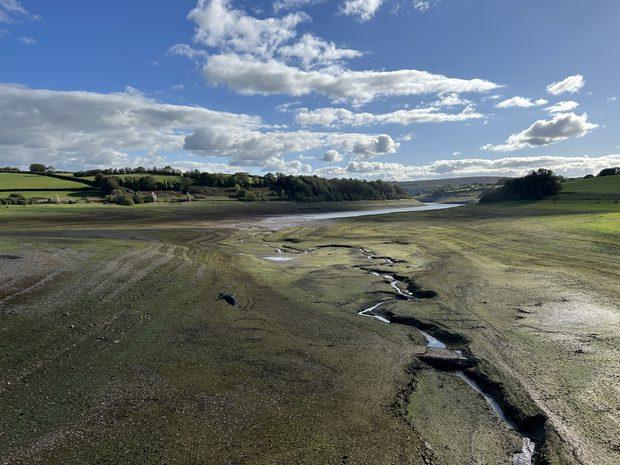
Drought conditions are increasingly affecting England, with severe drought status officially declared on 15 October 2026 for specific regions including Cornwall, Devon, Dorset, Somerset, East Sussex, and West Sussex. This declaration follows the driest April to September in over a century, which has significantly lowered reservoir levels. With forecasts indicating continued dry weather for the remainder of October, the situation is growing ever more critical.
This summer witnessed unprecedented heat and minimal rainfall, leading to a considerable strain on the country’s water resources. The anticipated seasonal rains have yet to materialise, with a staggering 82% of England currently experiencing drought. Reservoirs are alarmingly low for this time of year, necessitating an extraordinary 120% of typical rainfall over the next six months in certain areas to facilitate recovery. Without such rainfall, existing drought conditions are likely to persist and may even deteriorate.
Understanding the Severity of Drought
Severe drought represents the most critical level of drought declaration, signifying that evidence suggests significant harm is occurring or imminent. This necessitates urgent action to safeguard individuals, water supplies, the environment, agriculture, infrastructure, and other vital services. The declaration serves as a call to action, mobilising various organisations to work collaboratively in mitigating impacts and supporting recovery efforts.
While a severe drought status does not automatically lead to restrictions or classify as a civil emergency, it is nonetheless a serious situation. It prompts coordinated responses from government bodies and organisations, fostering a shared understanding of the gravity of the circumstances and enhancing the effectiveness of response strategies.
Implications for the Public
The declaration of severe drought does not immediately impose new restrictions on water usage. However, affected areas may see water companies implement additional water-saving measures to ensure supply continuity. This could involve sourcing more water from natural reserves, limiting usage for certain businesses, enforcing supply interruptions, or reducing mains pressure. Water companies will communicate directly with those impacted to provide relevant information.
Individuals can also contribute to the conservation of water supplies through simple yet effective changes in their daily routines. Actions such as taking shorter showers, repairing leaks, practising careful garden watering, utilising eco-settings on appliances, refraining from pre-rinsing dishes, installing low-flow shower heads, and employing water butts can collectively make a meaningful impact. These proactive measures help reduce the volume of water extracted from rivers and groundwater, thereby safeguarding supplies for both people and local ecosystems.
Regional Drought Declarations Explained
The severe drought designation has been concentrated in regions where public water supply faces the greatest risk, specifically around Ardingly in West Sussex and Wimbleball in Somerset. This declaration pertains to households and businesses reliant on these reservoirs. Residents are encouraged to check with their respective water companies to ascertain their specific situation.
Efforts to Safeguard Water Supplies
The Environment Agency is actively collaborating with Defra and relevant water companies to secure water supplies during these exceptional circumstances. This includes bolstering incident responses, enhancing monitoring and reporting systems, and maintaining regulatory oversight of water companies to ensure adherence to statutory drought plans. Increased vigilance will involve rigorous checks and expedited processing of permit applications, all aimed at protecting public water supplies while also considering environmental and wildlife concerns.
In light of the extraordinary conditions, the Environment Agency is prioritising the safeguarding of public water supplies in designated severe drought areas, in close consultation with the Government.
The Role of Science in Drought Management
The management of water resources and preparation for climate change is deeply rooted in scientific evidence. Continuous monitoring of rainfall, river flows, groundwater levels, and reservoir storage across England helps to identify emerging risks and informs future planning. This data-driven approach translates evidence into actionable strategies.
The Agency collaborates with water companies, government entities, farmers, and environmental organisations to establish practical measures, including enhanced monitoring of vulnerable ecosystems and promoting water efficiency. This collective effort is facilitated through the National Drought Group and regional counterparts, ensuring a timely response to evolving conditions and influencing decisions regarding drought status and government actions.
Looking Ahead
As we await adequate rainfall for recovery, the Environment Agency remains committed to taking necessary actions to safeguard water supplies. Continuous monitoring will be undertaken in collaboration with partners and governmental bodies to mitigate the impacts of severe drought on communities and the environment.



More Stories
Is Your Nose Causing You Trouble? Discover If You Might Have a Deviated Septum!
Transforming Flood Defences: Building Resilience and Confidence in a Changing Climate
Optimal Meat Consumption: How Much Should You Really Be Eating?