
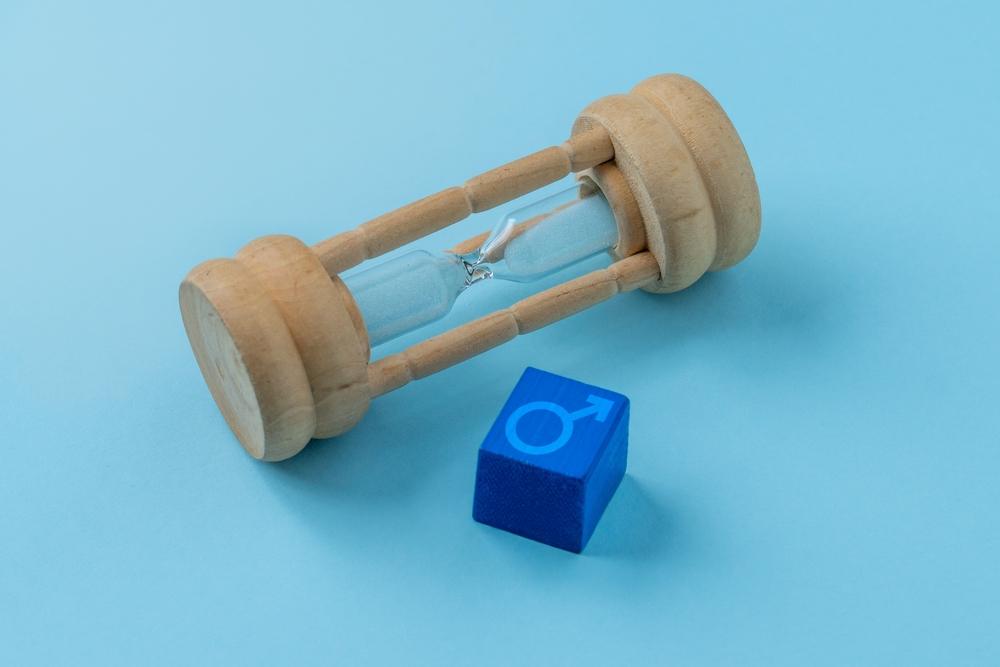
Menopause is a natural phase that women undergo as they mature, characterised by fluctuations and a gradual decline in reproductive hormone levels. This transition can lead to various physical and emotional symptoms. But is there a comparable stage for men? The phenomenon often referred to as ‘male menopause’ suggests that men too experience hormonal changes as they age, which can impact their health and wellbeing. This article delves into the symptoms, causes, and underlying science of what is termed ‘male menopause’ and highlights the importance of shedding light on this topic.
Understanding the Concept of Male Menopause
While menopause is a well-recognised stage in women’s lives, the concept of ‘male menopause’, or ‘andropause’, lacks formal recognition in the medical community. Dr Mohammad Bakhtiar, Clinical Lead at the Medical Express Clinic, clarifies that this term is often used informally to describe the symptoms some men may experience during midlife. However, it can create the misconception that men undergo a hormonal transition comparable to women’s menopause.
Dr Bakhtiar notes, “Women’s menopause signifies the cessation of menstrual periods as ovarian function diminishes. Men do not experience a parallel transition.” Nevertheless, he emphasises that the symptoms associated with ‘male menopause’ should not be overlooked, as they can significantly affect men’s health.
The Gradual Decline of Testosterone in Men
Unlike women, who face pronounced changes in oestrogen, progesterone, and testosterone levels during menopause, men typically experience a gradual decline in testosterone, which may begin as early as their thirties or forties. This decline is not uniform; it varies widely among individuals and can be influenced by factors such as age, body weight, and overall health. Many older men may still maintain normal testosterone levels, and there is no specific age when every man will exhibit symptoms of testosterone deficiency.
Dr Bakhtiar identifies several common signs that may indicate low testosterone levels. “The duration of these symptoms depends on their underlying causes,” he explains, adding that persistent testosterone deficiency may necessitate ongoing medical attention.
Hypogonadism and Its Implications
Hypogonadism occurs when the communication between the brain and the testicles is disrupted, leading to a decreased production of sex hormones. This condition can be present from birth or develop later in life, particularly as men age. When it manifests later, it is often referred to as late-onset hypogonadism (LOH).
Symptoms of LOH can overlap with those typically associated with low testosterone. Dr Bakhtiar remarks, “While LOH can explain symptoms linked to ‘male menopause’, it is not an unavoidable aspect of ageing. It is more prevalent among individuals with increased age, obesity, type 2 diabetes, and poor overall health.”
Diagnosis and Treatment Options
A medical professional will usually begin the diagnostic process by reviewing a patient’s medical history and symptoms, followed by a physical examination. If LOH is suspected, blood tests will be conducted to evaluate testosterone levels. However, having low testosterone alone is insufficient for diagnosis; the presence of symptoms alongside consistently low testosterone levels confirmed by blood tests is essential.
Treatment for low testosterone will depend on its underlying cause, the individual’s health status, and family planning considerations. Maintaining a healthy lifestyle, including regular physical activity, adequate sleep, a balanced diet, and moderation in alcohol consumption, can all positively influence testosterone levels. “For men with obesity, weight loss may enhance testosterone levels,” advises Dr Bakhtiar.
The Importance of Seeking Help
If symptoms accompany consistently low testosterone levels, testosterone replacement therapy (TRT) may be considered. TRT can help enhance libido and certain aspects of sexual function, although its effects on energy levels and mood may vary. Although ‘male menopause’ is not directly comparable to female menopause in terms of symptomatology or the pace of change, it is evident that men can experience hormonal shifts as they age, which may lead to symptoms related to lower testosterone levels.
Recognising these changes and understanding that seeking help is an important step can empower men to take proactive steps towards improving their health, much like women are increasingly encouraged to do during menopause.
Factors Beyond Testosterone Levels
Dr Bakhtiar advises that experiencing symptoms such as fatigue, mood changes, or a loss of interest in activities does not necessarily indicate low testosterone levels, as various factors may contribute. Stress, anxiety, depression, and relationship issues can all adversely affect mood and sexual drive. Furthermore, lifestyle factors such as inactivity and obesity can exacerbate these issues.
Medical conditions like diabetes, thyroid disorders, and anaemia can produce similar symptoms, underscoring the necessity of examining the broader context rather than attributing changes solely to testosterone levels. Medications such as opioid painkillers and long-term corticosteroids may also lead to reduced testosterone levels. Dr Bakhtiar emphasises the importance of consulting a medical professional before making any changes to prescribed treatments.
Impact of Age on Fertility
Age can affect sperm quality, potentially reducing fertility, although there is no definitive age at which all men become infertile. While testosterone levels are a crucial factor, low testosterone does not always equate to a low sperm count. Interestingly, TRT can suppress sperm production, occasionally resulting in no sperm detectable in the semen, which makes it advisable to avoid TRT for those trying to conceive.
Before initiating TRT, a healthcare provider will weigh the potential benefits against the risks, ensuring regular monitoring throughout the treatment process.
In conclusion, if you find yourself feeling unusually fatigued, irritable, or disinterested in previously enjoyable activities, low testosterone could be a contributing factor. Awareness and understanding of hormonal changes can facilitate a proactive approach to health, encouraging men to seek support and take charge of their wellbeing.




More Stories
2025 Report: Understanding Radioactivity Levels in Food and the Environment
Effective Home Remedies for Managing Flu Symptoms
Essential Tips for Safeguarding Your Hearing on Bonfire Night