
The vibrant displays of fireworks will soon illuminate the sky this Bonfire Night, creating a visual feast for onlookers. However, amidst the excitement, it is crucial to remember that the loud noises generated by these explosive spectacles can pose a serious risk to your hearing. While the dazzling sights may be fleeting, the potential for lasting ear damage from such noise can lead to long-term hearing loss.
Understanding Noise-Induced Hearing Loss
Noise-induced hearing loss can occur due to a sudden loud sound, especially when one is in close proximity to the source, such as the bangs and whizzes emitted by fireworks. Research from health authorities indicates that sounds exceeding 120 decibels (dB) can cause immediate harm to the auditory system. This is particularly relevant given that the legal noise limit for fireworks in the UK is set at 120 dB, a guideline supported by the World Health Organization (WHO).
This legal threshold is 30 dB higher than the level at which hearing damage may begin to occur, often resulting in a gradual decline that may not be immediately noticeable. Prolonged exposure to loud noises without adequate ear protection significantly increases the risk of hearing loss. At a noise level of 120 dB, it could take as little as seven seconds to incur permanent damage.
Hearing loss from fireworks can manifest in various ways, affecting either one or both ears, and it can be immediate or develop over time. The severity of this condition can range from temporary impairment to permanent loss, with symptoms potentially including severe pain, and in rare cases, fluid or blood discharge from the ear if the sound is loud enough to perforate the eardrum. Although such incidents are uncommon at firework displays, they highlight the importance of taking precautions.
The Risks of Temporary Hearing Loss
Temporary hearing loss can also occur, with symptoms typically resolving within 16 to 48 hours. However, even this transient condition can result in lasting damage. Experts emphasise that individuals may not be aware of the harm being done at the time, which could lead to difficulties with hearing in the future.
While sounds measured at or below 70 dB are generally considered safe, prolonged or repeated exposure to noise levels above 85 A-weighted decibels (dBA) raises the risk of hearing impairment. As such, it is essential to take proactive measures to protect your hearing during festive celebrations.
Enjoying the Festivities Safely
The proximity of Halloween and Bonfire Night creates a unique opportunity for celebration, filled with costumes and vibrant firework displays. However, amid the festivities, it is vital to prioritise safety. Just as one might seek advice on protecting their eyesight during these events, it is equally important to safeguard your hearing.
Our ears serve essential functions beyond merely allowing us to enjoy music or share laughter. They play a critical role in alerting us to potential danger, facilitating clear communication, and connecting us to our surroundings. Ignoring the need for hearing protection can lead to significant and life-altering consequences. Therefore, it is imperative to adopt healthy practices to safeguard your auditory health.
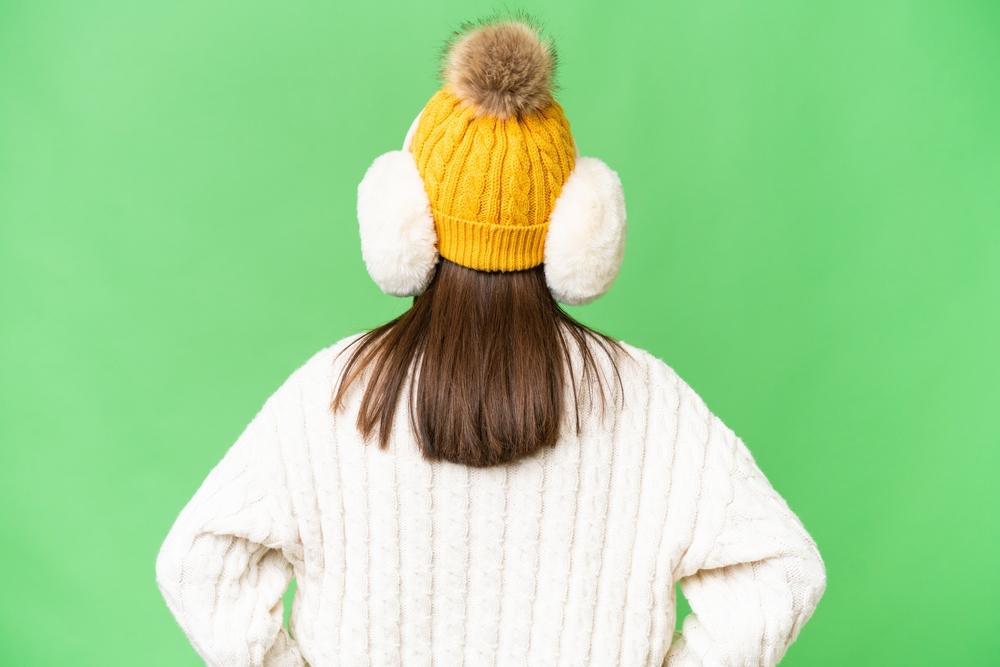
As Bonfire Night approaches, consider utilising earplugs or earmuffs designed to reduce noise levels during firework displays. This simple precaution can make a substantial difference in preserving your hearing while still allowing you to partake in the joyous celebrations.


More Stories
2025 Report: Understanding Radioactivity Levels in Food and the Environment
Is ‘Male Menopause’ a Genuine Phenomenon? Unpacking the Truth Behind Andropause
Effective Home Remedies for Managing Flu Symptoms