
Demand for private counselling has grown steadily in recent years as increasing numbers of people seek professional support for anxiety, stress, relationship difficulties and other emotional challenges. While conversations around mental health have become more open, many people still find taking the first step into therapy unfamiliar and, at times, intimidating.
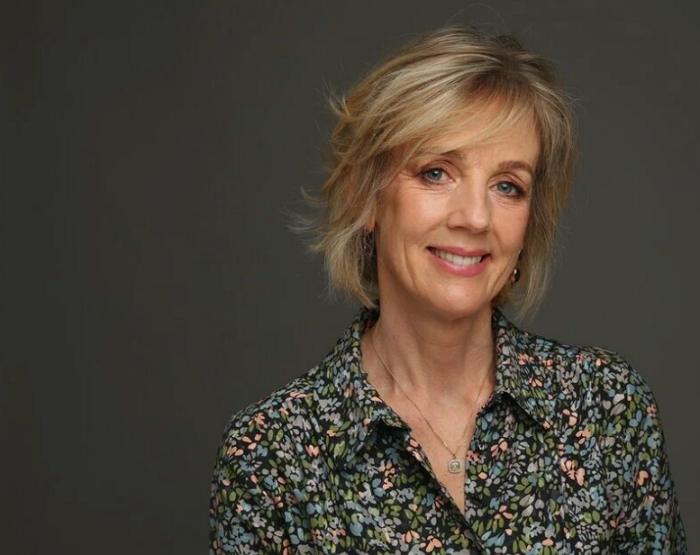
In London, where long working hours, financial pressures and the pace of daily life can contribute to emotional strain, psychotherapy has become one option for those looking to better understand their experiences rather than simply manage symptoms. Among the independent practices offering this form of support is Laura Lonsdale Psychotherapy, based in Kensington, where therapist Laura Lonsdale has worked with clients for more than 15 years.
Her practice reflects a broader movement within contemporary psychotherapy towards approaches that place the individual, rather than a diagnosis or treatment plan, at the centre of the conversation.
A space designed for conversation
Unlike healthcare settings focused on assessment or medical intervention, psychotherapy sessions are intended to provide dedicated time for reflection. Clients attend with a wide range of concerns, from persistent anxiety and depression to workplace stress, relationship difficulties or significant life transitions.
Some arrive with a clearly defined issue they wish to explore. Others struggle to explain exactly why they feel overwhelmed, describing instead a gradual sense that everyday life has become more difficult to manage.
Laura Lonsdale’s practice is based on person-centred psychotherapy, an approach developed during the twentieth century that places particular importance on empathy, acceptance and the relationship between therapist and client.
Rather than directing conversations towards predetermined outcomes, person-centred therapy encourages individuals to explore their experiences in their own words and at their own pace. The therapist’s role is not to offer solutions but to create conditions in which clients are able to examine their own thoughts and feelings with greater clarity.
For people attending therapy for the first time, this slower, less structured process can feel unfamiliar. Building trust often becomes an important part of the early sessions, particularly when discussing experiences that have never previously been shared.
Looking beyond immediate problems
People rarely seek counselling because of a single event alone. Emotional difficulties often develop over time through a combination of professional pressures, family responsibilities, relationship changes or unresolved personal experiences.
Private therapists increasingly report that clients arrive carrying several overlapping concerns rather than one isolated problem. Anxiety may coexist with workplace stress. Low mood may be connected to bereavement, caring responsibilities or uncertainty about the future.
Within Laura Lonsdale’s practice, conversations frequently explore these wider contexts instead of focusing exclusively on individual symptoms.
The aim is not to identify a simple explanation for emotional distress but to understand how different experiences may interact with one another. By examining these connections, clients often develop a clearer picture of the circumstances influencing their wellbeing.
The relationship between physical and emotional wellbeing
One aspect receiving increasing attention within psychotherapy is the connection between emotional experiences and physical responses.
Periods of prolonged stress can affect sleep, concentration and energy levels. Anxiety may present alongside muscle tension, digestive discomfort or a persistent sense of restlessness. Emotional exhaustion frequently influences everyday decision-making as much as mood itself.
Laura Lonsdale incorporates this broader perspective into her work, encouraging clients to notice how emotional pressure is experienced physically as well as psychologically.
This approach reflects wider recognition within mental health practice that emotional wellbeing cannot always be separated neatly from physical experience. Understanding these connections may help individuals recognise patterns that otherwise pass unnoticed during busy daily routines.

Relationships remain a common theme
Relationship concerns continue to be among the most common reasons people seek counselling.
These issues extend beyond romantic partnerships. Family relationships, friendships and workplace dynamics can all become significant sources of emotional pressure, particularly when communication has broken down or expectations remain unspoken.
An interesting feature of Laura Lonsdale’s work is that relationship therapy does not necessarily require two people to attend. Individual sessions allow clients to examine their own experiences within important relationships, considering recurring patterns, personal boundaries and emotional responses.
Family life also features regularly within therapeutic conversations.
Changing family roles, caring responsibilities, generational differences and longstanding patterns of communication can all influence emotional wellbeing. Therapy offers an opportunity to reflect on these dynamics from the client’s own perspective rather than attempting to resolve disputes directly.
How earlier experiences continue to influence adult life
Many contemporary psychotherapists work from the understanding that earlier life experiences continue to influence adult behaviour, often in subtle ways.
Beliefs about self-worth, trust or belonging may develop gradually over many years before becoming so familiar that they are rarely questioned.
Within person-centred therapy, these beliefs are explored through discussion rather than interpretation. Clients are encouraged to consider where certain assumptions may have originated and whether they continue to reflect their current circumstances.
This emphasis on self-understanding distinguishes person-centred psychotherapy from more directive approaches. Rather than being given advice, clients are invited to reach their own conclusions through careful reflection.
Experience shaped by both education and practice
Laura Lonsdale’s route into psychotherapy began through voluntary work rather than formal clinical training.
She became involved in establishing a patient support group for people experiencing fertility difficulties, an experience that highlighted the value many individuals place on speaking openly outside their immediate circle of family and friends.
Her subsequent professional training included postgraduate study in psychotherapy and counselling at Regent’s College, where she studied a range of therapeutic approaches before specialising in person-centred practice.
Alongside academic training, she gained practical experience working within educational settings including Kensington and Chelsea College, Regent’s University and London Metropolitan University.
These experiences helped shape the independent practice she now runs from Kensington.
Face-to-face and online therapy
Like many therapists following the pandemic, Laura Lonsdale now offers both in-person and remote appointments.
Clients attending the Kensington practice typically meet for weekly 50-minute sessions, while online appointments allow people living elsewhere in the UK or overseas to continue therapy without travelling.
The availability of remote counselling has broadened access for professionals with demanding schedules, international clients and those whose personal circumstances make regular travel difficult.
Although the format has changed for many practitioners, the structure of therapy itself remains largely consistent, with confidentiality, continuity and regular conversation continuing to form the basis of the therapeutic process.
A changing conversation around mental health
Public attitudes towards counselling have shifted considerably over the past two decades. Seeking therapy is increasingly viewed as one way of understanding emotional wellbeing rather than a response reserved for moments of acute crisis.
Practices such as Laura Lonsdale Psychotherapy reflect this broader change. Clients attend not only because they are experiencing anxiety, depression or relationship difficulties, but also because they wish to understand themselves more fully during periods of change, uncertainty or personal transition.
While every therapeutic journey differs, the principle underlying person-centred psychotherapy remains consistent: meaningful change often begins with the opportunity to speak openly, to be listened to carefully and to examine experiences without judgement. In a city where daily life rarely slows down, that dedicated space for reflection continues to hold value for many Londoners.
Address:: Vicarage House, 58-60 Kensington Church St, London W8 4DB




More Stories
Do Blue Light Filters Really Work? Unveiling the Truth Behind Eye Protection
Understanding Weight Regain: Key Reasons Behind Losing Pounds and Gaining Them Back
Is Your Nose Causing You Trouble? Discover If You Might Have a Deviated Septum!