
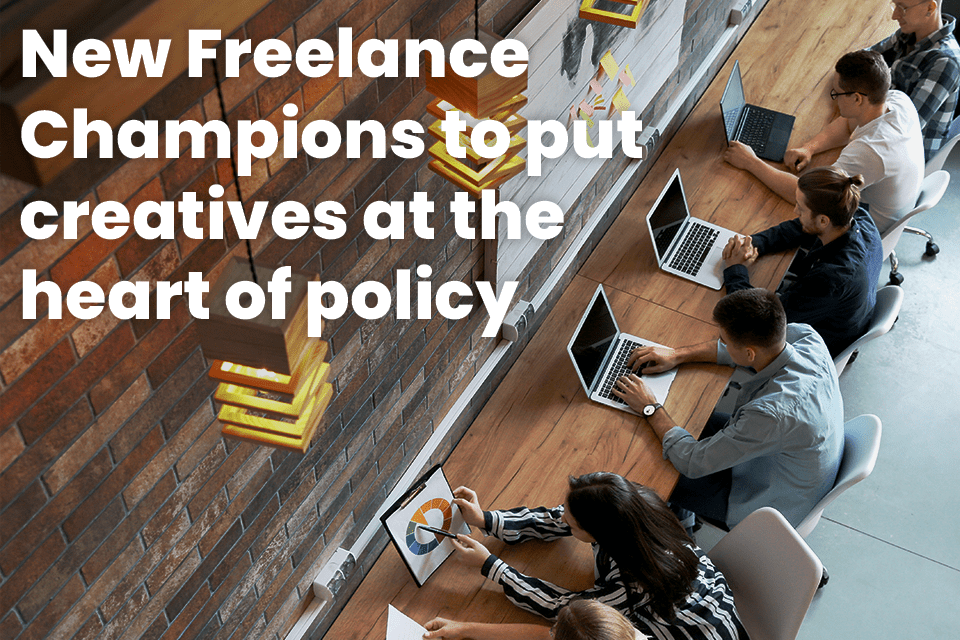
The UK Government has taken a significant step towards integrating the voices of freelancers into its decision-making processes regarding the creative industries with the appointment of two new Freelance Champions. Leila D’Aronville and Lizzie Crump will advocate for the interests of the 703,000 self-employed individuals working across various sectors, ensuring their perspectives shape future policy.
These appointments fulfil a commitment outlined in the Creative Industries Sector Plan, highlighting the essential role that freelancers play as the backbone of the UK’s renowned creative landscape. By 2025, it is anticipated that 28.5% of the 2.6 million-strong creative workforce will be self-employed, a rate significantly higher than the broader economy’s 14.8%.
Addressing Key Challenges Faced by Freelancers
The newly appointed Freelance Champions will focus on tackling the findings of the Good Work Review, which examined working conditions across the creative sectors. The review identified critical issues such as unpaid work, limited opportunities for professional development, and challenging working environments. While job satisfaction, flexibility, and autonomy were noted as significant benefits, the quality of work for freelancers remains a pressing concern.
Leila and Lizzie aim to work closely with the freelance community and industry stakeholders to foster a deeper understanding of the unique challenges faced by this often-overlooked segment of the workforce. Their goal is to ensure that the needs and realities of freelancers are central to government considerations and policies.
Both appointees bring a wealth of experience to their roles. Leila, who founded the North East Cultural Freelancers network, has dedicated herself to supporting freelancers and small organisations in her region. Lizzie, a Co-Director of What Next?, has extensive experience in cultural policy and advocates for equitable access to arts and culture across the UK.
A Collaborative Approach to Policy Development
The Freelance Champions will receive research support from Dave O’Brien, a Professor of Cultural and Creative Industries at the University of Manchester, who joins the Department for Digital, Culture, Media and Sport on an academic secondment. Their terms of reference are available on the official government website, outlining their responsibilities, which include participation in the Creative Industries Council—a joint industry and government forum that amplifies the voice of the creative sector.
Culture Secretary Lisa Nandy expressed her commitment to ensuring that freelancers are supported and fulfilled in their careers. She emphasised the importance of recognising the contributions of freelancers, from behind-the-scenes roles in film to session musicians in music production. The government aims to create an environment where all individuals can cultivate rewarding and sustainable careers, regardless of their location or job role.
Commitment to Fairness and Support for Freelancers
Leila D’Aronville articulated her personal connection to freelancing and her commitment to advocating for better working conditions. She aims to change the perception of freelancers, highlighting their significance within the creative industry and striving for a fairer environment that acknowledges the complexities of freelance work.
Lizzie Crump echoed her sentiments, expressing enthusiasm for the opportunity to represent freelancers and ensure their essential needs are met. She underscored the importance of engaging with decision-makers to develop policies that genuinely reflect the realities of freelance work.
In June 2025, the Government unveiled the Creative Industries Sector Plan, pledging an initial investment of £380 million to bolster the UK’s creative sectors and enhance business investment by 2035. This plan has since seen ongoing government initiatives aimed at improving access to finance, fostering innovation, and stimulating growth within the video games and music sectors.
Support from Industry Leaders
Industry leaders have welcomed the appointments of Leila and Lizzie. Sara Whybrew, BFI’s Director of Skills and Workforce Development, emphasised the necessity of ensuring freelancers’ voices are incorporated into policy discussions to promote fair treatment. The BFI stands in solidarity with the champions as they embark on their advocacy journey.
Darren Henley, Chief Executive of Arts Council England, noted the pivotal role that Leila and Lizzie would play in supporting freelancers and addressing sector-wide issues, contributing to the necessary research and resources for sector growth.
Philippa Childs, Head of Bectu, highlighted the long-standing neglect of freelancers’ interests in policymaking. She expressed eagerness to work alongside the new champions to ensure that freelancers’ needs are adequately reflected in employment rights and taxation policies.
Finally, Nik Gunn from the Creative Industries Policy and Evidence Centre reinforced the importance of the Freelance Champions in representing freelancers in policy, data, and research. As their roles unfold, there is optimism that the contributions of freelancers will receive the recognition they deserve in the UK’s creative landscape.




More Stories
£140 Million Investment in Urgent Care to Alleviate NHS Winter Pressures
AAIB Dispatches Investigation Team to Stirling Following Incident
Ofsted Launches Pilot Scheme for New Independent Complaints Review Service