
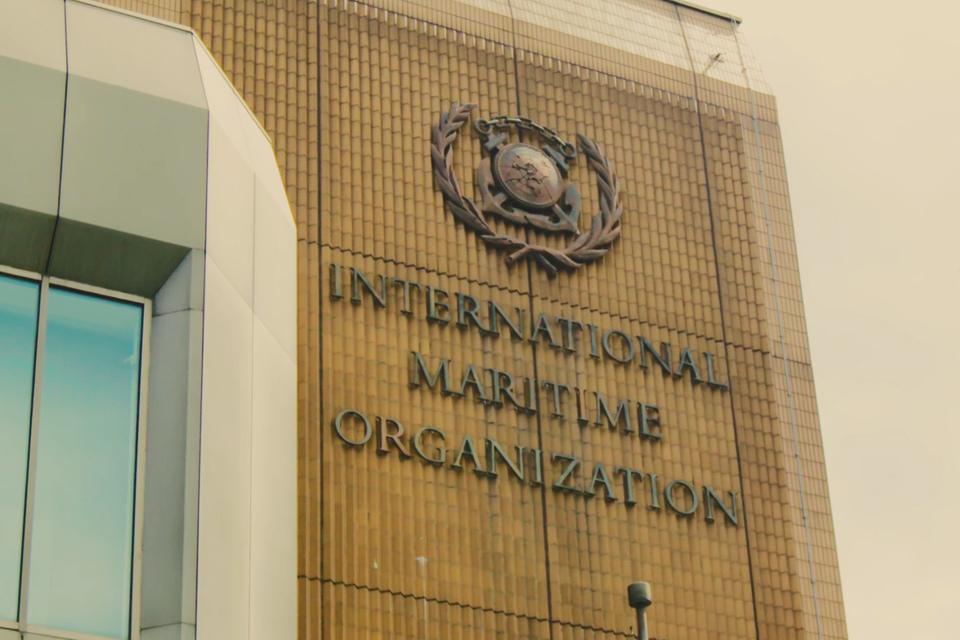
A significant milestone in maritime regulation has been reached with the publication of the international code for Maritime Autonomous Surface Ships (MASS) today, 1 July. This landmark initiative is set to establish clearer and stronger global standards that will enhance safety, innovation, and technology at sea.
The International Maritime Organization (IMO) has introduced the non-mandatory MASS Code, which serves as the first international regulatory framework for remotely operated and autonomous cargo vessels, as outlined in SOLAS Chapter I. The drafting process involved considerable input from the Maritime and Coastguard Agency (MCA), which played a pivotal role in advocating for UK interests.
The United Kingdom intends to utilise the high-level principles outlined in the code to develop national legislation, ensuring close collaboration with the maritime sector throughout the process.
Commitment to Innovation and Safety
Leanne Page, Assistant Director for Future Technical Standards at the MCA, expressed her enthusiasm regarding the launch of the MASS Code, stating, “Publishing the MASS Code is a major step towards delivering clearer, stronger, safer regulations that reduce risk and support innovative technology.”
She further emphasised the MCA’s pride in its leadership role during the negotiations, highlighting the importance of safety as a core focus. The agency looks forward to collaborating with industry stakeholders to refine and enhance the Code in the years ahead.
Structure of the MASS Code
Comprising three distinct parts along with an appendix, the MASS Code is structured as follows:
- Part 1: Outlines the high-level purpose, principles, and objectives.
- Part 2: Details the principles applicable across all scenarios, with provisions achieved through certification, including surveys, software security, manning, training, and watchkeeping.
- Part 3: Specifies goals and functional requirements based on operational modes and functionalities such as navigation, remote operations, fire management, cargo handling, and search and rescue.
- Appendix: Contains forms for certificates and records relevant to autonomous and remote operations.
Future Development and Implementation
The development of the MASS Code will continue over the next two years during the Experience-Building Phase, which will incorporate global research and feedback. A mandatory version of the Code is anticipated to take effect by 2032.
For those wishing to access the MASS Code online, it will be available shortly. In the interim, individuals can create a Public User IMODOCS account to access Resolution MSC.595(111).
Contact Information for Inquiries
For any questions regarding the application of the MASS Code to innovative technologies within the UK, interested parties are encouraged to reach out to the UK Maritime Innovation Hub by completing the online form or by emailing innovation@mcga.gov.uk.
For media inquiries, please contact the press office at public.relations@mcga.gov.uk or call 0203 817 2222 during office hours (Monday to Friday, 9 am – 5 pm). For urgent media inquiries outside these hours or on bank holidays and weekends, please send an email with #Urgent in the subject line.



More Stories
Decommissioning Calder Hall: The Historic Journey of the World’s First Commercial Nuclear Power Station
Unveiling the UK’s Arctic Policy Framework: Minister Kumaran’s Keynote Address
UK Champions Two-State Solution for Lasting Peace and Security for Israelis and Palestinians