
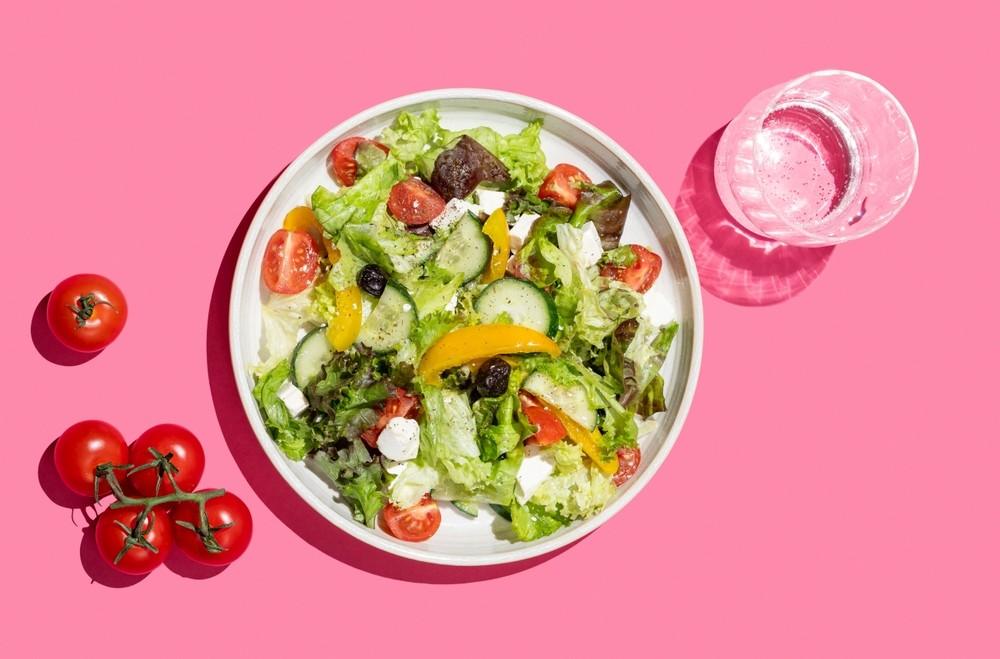
Adopting a low-fat diet can significantly alleviate gallstone symptoms while you await a cholecystectomy, a surgical procedure to remove the gallbladder. This dietary adjustment aims to reduce discomfort associated with gallstones, which are small, hardened deposits formed from bile in the gallbladder. A general practitioner emphasises the importance of dietary choices in managing this condition.
The Prevalence of Gallstones
Gallstones are a common health issue, affecting approximately one in three women and one in six men at some point in their lives. These stones typically consist of cholesterol and other substances that have solidified in the gallbladder, an organ located beneath the liver. The formation of gallstones is more likely as individuals age, and various risk factors, including obesity, smoking, type 2 diabetes, and high cholesterol, can increase susceptibility.
The gallbladder plays a crucial role in digestion, storing bile until it is released into the small intestine to assist in breaking down fats. Therefore, dietary habits can significantly influence gallbladder function and overall digestive health.
Dietary Recommendations for Managing Gallstones
To help manage gallstone symptoms, it is advisable to include certain foods in your diet while avoiding others. Whole grains such as bread, rice, cereals, pasta, and potatoes should be staples, with wholegrain variants preferred when possible. Additionally, it is essential to limit saturated fats found in animal products, including butter, ghee, cheese, and fatty meats. Instead, opt for unsaturated fats from plant sources, such as olive oil, nuts, and avocados, although one should be mindful that these can also trigger gallstone-related discomfort.
Dietary fibre is another crucial component, with rich sources including beans, pulses, fruits, vegetables, oats, and wholegrains. Increasing fibre intake can help improve digestion and overall gallbladder health.
Understanding the Impact of Fatty Foods
A high-fat diet can lead to discomfort and exacerbate symptoms related to gallstones. Fatty foods may cause steatorrhoea, characterised by oily, pale stools, indicating poor fat digestion. Therefore, it is vital to monitor fat intake, particularly while waiting for surgical intervention.
Furthermore, individuals should be cautious with processed foods labelled as low-fat, as these often contain high levels of sugar. Checking nutritional labels is crucial to avoid products that exceed ten grams of sugar per 100 grams, which can contribute to weight gain and further complicate gallstone issues.
Clarifying Low-Fat Labelling
It is important to understand the distinctions between low-fat, reduced-fat, and light products. A low-fat designation indicates that a product contains three grams or less of fat per 100 grams, making it genuinely suitable for those managing gallstones. Conversely, reduced-fat products may still contain significant fat levels, as they are merely 25% lower than the original high-fat item. Light products can also vary substantially, containing one-third fewer calories or 50% less fat than their full-fat counterparts. Thus, it is advisable to approach these products with caution.
The Role of Dietary Patterns
Research indicates that certain dietary patterns, particularly vegetarian diets, may offer protective benefits against gallstone disease. However, recent studies suggest a slight positive correlation between vegetarianism and symptomatic gallstone disease, warranting further investigation into the complexities of dietary impacts on gallbladder health.
In conclusion, while gallstones are prevalent, they do not always present symptoms. Nonetheless, they can lead to significant discomfort, particularly in those with additional risk factors. Managing diet effectively by focusing on low-fat, high-fibre foods while limiting unhealthy fats can help alleviate symptoms and prepare individuals for potential surgical intervention.



More Stories
Essential New Guidance for Farmers to Enhance Flood Resilience
Collaborative Efforts: How the Environment Agency and the Netherlands Unite to Safeguard Communities Against Rising Tides
Do Blue Light Filters Really Work? Unveiling the Truth Behind Eye Protection