
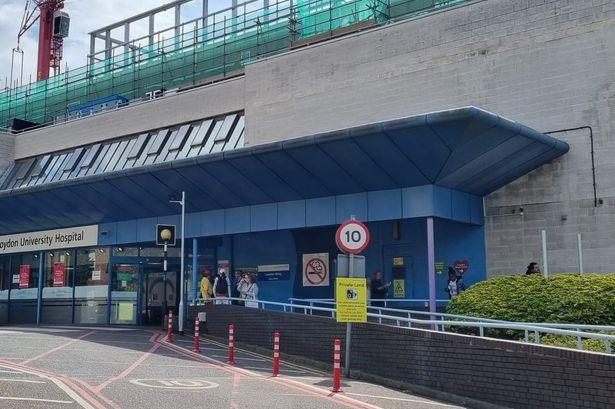
Patients at Croydon University Hospital’s Accident & Emergency (A&E) department are experiencing significantly longer waiting times, with recent data indicating a staggering 52% increase since 2021. While initial assessments upon arrival are being conducted more promptly, the hospital staff are under increasing pressure due to a surge in patient numbers since the COVID-19 pandemic. Local Labour councillors contend that these figures reflect the ongoing struggles faced by residents and advocate for enhanced social care as a more effective solution than merely expanding A&E services.
Rising A&E Waiting Times
Data obtained through a freedom of information request reveals that the average duration a patient spends in the A&E department on Mayday Road has escalated from 257 minutes in 2021 to 390 minutes by the end of 2025. This represents an increase of 51.8% over the period from January 2021 to December 2025. This rise can be attributed to a growing demand, as patient attendance at Croydon University Hospital’s A&E has surged; annual visits increased from 133,611 in 2021 to 155,245 in 2025, marking a 16.2% uptick over four years. The department saw its lowest attendance in January 2021, with just 7,767 patients, but numbers surged following the easing of lockdown restrictions, peaking at 12,116 in May 2021.
Croydon Health Services NHS Trust has acknowledged this rising demand, stating, “Like many NHS organisations, we have seen a rise in demand for urgent and emergency care over recent years.” They attribute the lengthening wait times in A&E to a combination of “more complex patient needs” and broader pressures on patient flow, including delays in discharges and strains on inpatient bed availability.
Improvements in Triage and Patient Flow
Despite the escalating workload, the Trust’s triage nurses have successfully reduced the average wait time for an initial clinical assessment from 8.2 minutes in 2021 to 6.6 minutes in 2025—a decrease of 19.4%. In light of the challenges, the Trust has stated that it is implementing various measures to enhance patient flow, optimise bed capacity, minimise discharge delays, and ensure that patients receive care in the most suitable environment. They further noted, “Alongside this, we continue to invest in our workforce, digital technology and service transformation, including expanding our Same Day Emergency Care and frailty services to assist more patients in receiving treatment without necessitating an overnight hospital stay.”
Calls for Comprehensive Health System Reform
Labour councillors representing West Thornton, where the hospital is situated, have expressed that the current figures are to be expected, highlighting ongoing pressures experienced by the facility. They stated, “The increase in A&E waiting times reflects what many residents have been telling us.” Councillors Janet Campbell, Rym Daoud, and Stuart King pointed out that the escalating demand extends beyond the hospital, placing added pressure on local transport systems, parking, and roads, particularly during peak times.
However, they emphasised the remarkable dedication of NHS staff at the hospital and asserted that these figures underscore challenges across the entire health and care system, not solely within the hospital. They argue that the solution lies not just in expanding A&E services, but in fostering a more integrated health and care system with a stronger emphasis on social care and preventive measures. They noted, “Lasting improvement will require a whole-system approach that invests not only in the NHS but also in adult social care, community mental health services, prevention, and addressing wider determinants of health, such as housing and poverty.”
Ongoing Scrutiny and Quality Concerns
The comments from councillors come in the wake of continued scrutiny of Croydon University Hospital’s A&E department, which was rated ‘Requires Improvement’ by the Care Quality Commission (CQC) following an unannounced inspection in March. Inspectors reported that patients had endured waits ranging from 34 hours to over 127 hours, with some waiting as long as five days. Adults experiencing mental health crises reportedly faced the longest delays, often in environments that could exacerbate their conditions. Furthermore, the inspectors raised concerns regarding the routine practice of ‘corridor care’, where medical professionals discussed patients’ diagnoses in areas lacking privacy.
In addition, the inspection highlighted shortcomings in mandatory safeguarding training, which fell short of the Trust’s 90% compliance target. Nevertheless, the CQC did find that 89% of patients felt they were treated with dignity and respect, and 95% reported feeling listened to by doctors and nurses. For further information on planning applications, traffic diversions, and local developments, residents are encouraged to enter their postcode or visit the Public Notice Portal.




More Stories
Meet Britain’s Strongest Schoolgirl: The Edgware Weightlifter Breaking Stereotypes
Two London Bakers Eliminate Each Other in Great British Bake Off’s Thrilling Bread Week
City Leaders Alert: Healey Bank Tax Increase Could Force Businesses to Leave the UK