
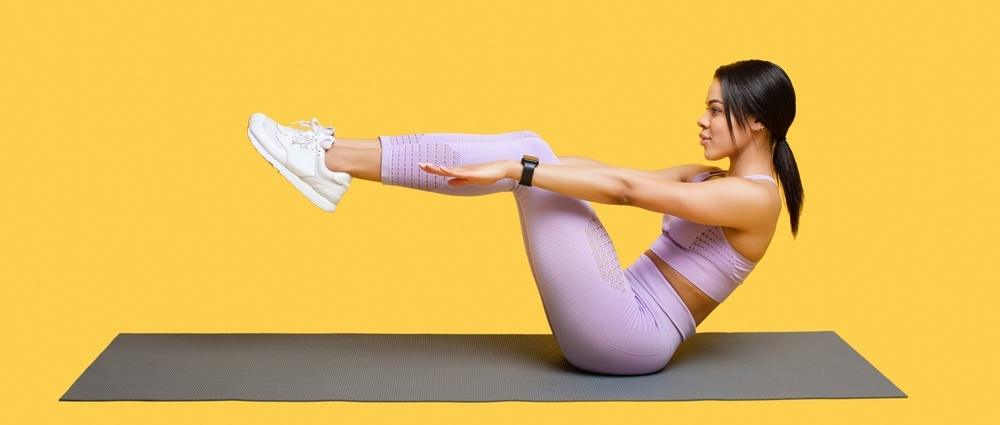
The effectiveness of Pilates for weight management lies in its regular practice, complemented by a balanced diet that facilitates a healthy calorie deficit. This combination is essential for those aiming to shed pounds while enhancing overall fitness.
Understanding Pilates and Its Benefits
Pilates is widely recognised for its capacity to improve strength, flexibility, and endurance. While it is primarily associated with building muscular strength and enhancing posture, it can significantly contribute to weight loss when practised consistently. The effectiveness of Pilates in this regard hinges on maintaining a routine and supporting the exercise regime with a nutritious diet that promotes a calorie deficit.
Practising Pilates at home is certainly feasible and can be an excellent alternative for individuals with limited time or financial resources for attending classes. Nevertheless, many find that the presence of an instructor in a class setting provides the necessary motivation to push their limits further.
To maximise calorie burn, integrating Pilates with cardiovascular activities is advisable. As Pilates is a form of strength training, alternating it with cardio exercises such as running or cycling—both of which elevate heart rates—can yield considerable benefits.
The Impact of Pilates on Posture and Body Composition
One of the notable advantages of Pilates is its positive effect on posture. The practice builds core strength while lengthening and toning muscles across the body. This results in improved posture, allowing individuals to stand taller and reducing tendencies towards hunching in the upper back, shoulders, and neck.
While the timeframe for observing physical changes through Pilates is not explicitly stated, it is clear that consistent practice fosters a strong technique and maximises benefits. Over time, participants often notice a more defined abdomen, waist, and toned limbs, which all contribute to a healthier physique.
In addition to regular Pilates sessions, maintaining a focus on diet is crucial. Consuming nutrient-dense foods while minimising sugar, salt, and saturated fats plays a vital role in weight loss. Furthermore, prioritising sufficient sleep, limiting alcohol consumption, and addressing mental health through self-compassion and seeking help when necessary are essential components of a holistic approach to weight management.
Insights from Pilates Professionals
Rebecca Convey, owner of Kinetic Pilates in North London, emphasises that Pilates not only enhances strength and flexibility but also aids in injury prevention and recovery. She advocates that Pilates is a comprehensive workout that demands precision, dedication, and consistent practice.
Convey asserts that the practice fosters a vital mind-body connection, encouraging participants to adopt a healthier lifestyle overall. While Pilates can indeed assist in weight loss, it is important to remember that it burns calories and aids in weight reduction only when practised regularly alongside a balanced diet.
Engaging in Pilates exercises strengthens, lengthens, and tones the entire body, effectively utilising stored energy from fat cells—a process commonly referred to as ‘burning’ fat. However, it is crucial to approach Pilates as part of an overarching lifestyle that prioritises realistic and sustainable weight goals rather than drastic measures.
Creating a Caloric Deficit Through Balanced Lifestyle Choices
Although Pilates is beneficial for strength and flexibility, research indicates that its direct impact on weight loss can be limited. For instance, a study involving postmenopausal women demonstrated increased strength without significant weight changes, attributed largely to unchanged dietary habits. Establishing a calorie deficit, where energy expended through physical activity exceeds caloric intake, remains central to effective weight loss.
Adjusting dietary choices is the most effective method for achieving a calorie deficit. While exercise contributes to calorie expenditure, the actual number of calories burned during Pilates varies based on factors such as gender, body weight, frequency of practice, and skill level.
Convey recommends practising Pilates at least four times a week to realise its full potential for weight loss. For those pressed for time, two to three sessions per week can still yield benefits. Additionally, some individuals may find that the motivation provided in a class environment helps them to push their boundaries further.
The Importance of Holistic Health Approaches
The benefits of Pilates extend beyond mere weight loss; they encompass improved physical and mental health, fostering feelings of well-being and confidence. To truly harness the advantages of Pilates for weight management, individuals must also adopt other healthy lifestyle habits.
Research indicates that while Pilates can enhance muscle strength and posture, its direct correlation with weight loss is less robust. For those struggling with obesity, more significant lifestyle changes may be necessary to reach a healthy weight and mitigate the risk of serious health complications.
Ultimately, creating a sustainable and healthy approach to weight loss involves integrating Pilates into an active lifestyle, supported by a well-rounded diet and a commitment to overall health and well-being.




More Stories
Collaborative Efforts: How the Environment Agency and the Netherlands Unite to Safeguard Communities Against Rising Tides
Do Blue Light Filters Really Work? Unveiling the Truth Behind Eye Protection
Understanding Weight Regain: Key Reasons Behind Losing Pounds and Gaining Them Back