
Lynn commenced her role at Patient in 2023, where her responsibilities encompass the meticulous review of professional leaflets, patient information documents, and medicine leaflets. Her focus is on ensuring consistency in spelling, grammar, reference materials, and brand style. Collaborating closely with medical authors and the clinical director, she coordinates the authoring and peer-reviewing processes for these essential documents.
Understanding Rosemary Oil and Its Uses
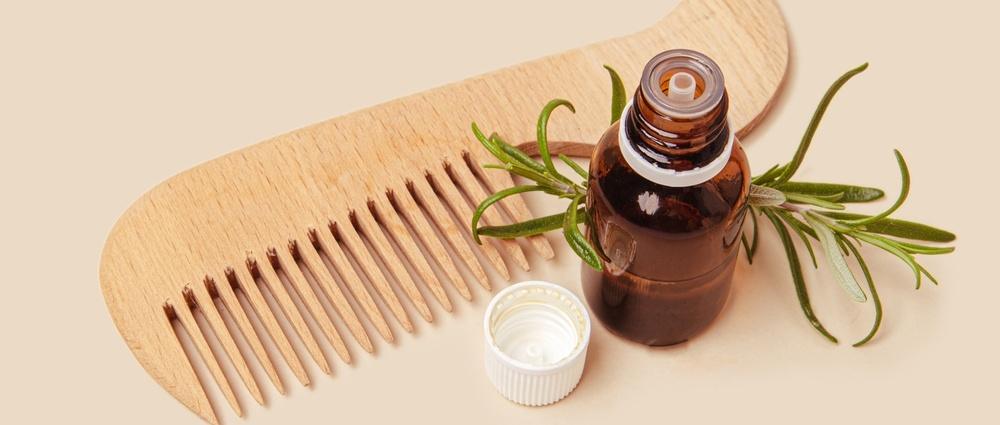
Rosemary oil is derived from the aromatic rosemary plant, which flourishes as an evergreen shrub. While it is commonly recognised as a culinary seasoning, its applications extend into the realms of herbal medicine and cosmetics.
Research has indicated that rosemary oil may be as effective in promoting hair regrowth as minoxidil, a pharmaceutical commonly used to address male pattern hair loss, known medically as androgenic alopecia. This condition occurs when dihydrotestosterone, a by-product of testosterone, adversely affects hair follicles. It is believed that rosemary oil may prevent this hormone from damaging the follicles, promoting hair growth. Additionally, it has been noted to alleviate scalp itchiness.
The Skepticism Surrounding Rosemary Oil
Dr. Sharon Wong, a consultant dermatologist and hair specialist, as well as president of the Institute of Trichologists in London, comments on the growing popularity of rosemary oil as a purported miracle solution for hair growth. However, she highlights the lack of substantial data to substantiate such claims. “One study compared the effects of rosemary oil with standard medical treatments for male pattern baldness,” she explains. “However, there are several flaws in this study that raise concerns about its reliability. Furthermore, there is currently insufficient data to confirm the efficacy of rosemary oil for other types of hair loss.”
While rosemary oil is considered a natural remedy, it is not universally safe. Individuals may experience allergic reactions to it, and it is advised not to apply the oil directly to the scalp. Instead, it should be diluted with a carrier oil, such as coconut or jojoba oil. A recommended method involves mixing a few drops of rosemary essential oil with approximately a tablespoon of the chosen carrier oil. Prior to application, conducting a patch test for potential allergic reactions is essential.
Exploring Treatment Options for Hair Loss
The treatment options available for hair loss vary depending on the underlying causes. Genetic factors, such as male and female pattern baldness, are common contributors. Other causes may include illness and nutritional deficiencies.
Minoxidil and finasteride are the primary treatments for male pattern baldness, with minoxidil also suitable for women experiencing female pattern baldness, though finasteride is not recommended for female use. Low-level light therapy, or laser therapy, employs various wavelengths of light to stimulate hair follicles and encourage growth, and may benefit individuals suffering from male and female pattern baldness as well as alopecia areata.
Maintaining a balanced diet rich in vitamins, minerals, and nutrients is crucial for healthy hair and skin. Vitamin D can be sourced from supplements, sunlight, oily fish, and eggs, and is often added to cereals and plant-based milks. Leafy greens such as spinach, broccoli, and sprouts are excellent sources of folate, while zinc can be found in meat, beans, nuts, whole grains, and dairy products. Iron is present in red meat and green vegetables, including broccoli.
Practical Hair Care Tips for Winter
During winter, the transition between cold outdoor conditions and warm indoor environments can be detrimental to hair health, leading to a loss of moisture. Hair specialists recommend various strategies to combat common winter hair issues, alongside exploring potential health concerns linked to hair problems.
As individuals age, the onset of grey hair often becomes a topic of contemplation. While some may choose to embrace a natural white or silvery appearance, others seek ways to delay the greying process through targeted lifestyle changes. This article delves into the scientific reasons behind hair greying and examines whether it is possible to slow down the inevitable.
For those interested in enhancing their hair care routines, Rosemary Hair Oil has emerged as a popular product, renowned for its nourishing and revitalising properties. Enriched with natural rosemary extract, this oil is believed to stimulate hair growth and strengthen hair follicles.
Expert Insights and Community Support
Lydia Smith, an award-winning journalist and feature writer, has extensively covered women’s health and mental well-being. Currently pursuing an MSc in psychology, she provides valuable insights into health-related topics. Meanwhile, Victoria, a content writer at Patient, focuses on mental wellbeing, societal trends, and the intersection of technology and health.
The platform offers a wealth of resources, including patient information leaflets that provide clear, clinically reviewed advice on various conditions, symptoms, and treatments. Users can explore expert features, lifestyle guidance, and real-life stories aimed at supporting everyday health and well-being.
In addition, the platform provides tools for symptom checking, clinical trial information, and healthy recipe inspiration, empowering individuals to take charge of their health with trusted resources.
Engaging discussions and shared experiences across numerous health topics create a supportive environment for users, while candid conversations with health experts and real-life stories further enrich the community. The focus on evidence-based information ensures that both patients and healthcare professionals have access to reliable resources for informed decision-making.




More Stories
Optimal Meat Consumption: How Much Should You Really Be Eating?
Understanding the New Five-Day Limit: How Long Should You Safely Use a Decongestant Nasal Spray?
Discover How Pilates Can Soothe Your Nervous System: Try These 3 Easy Moves