
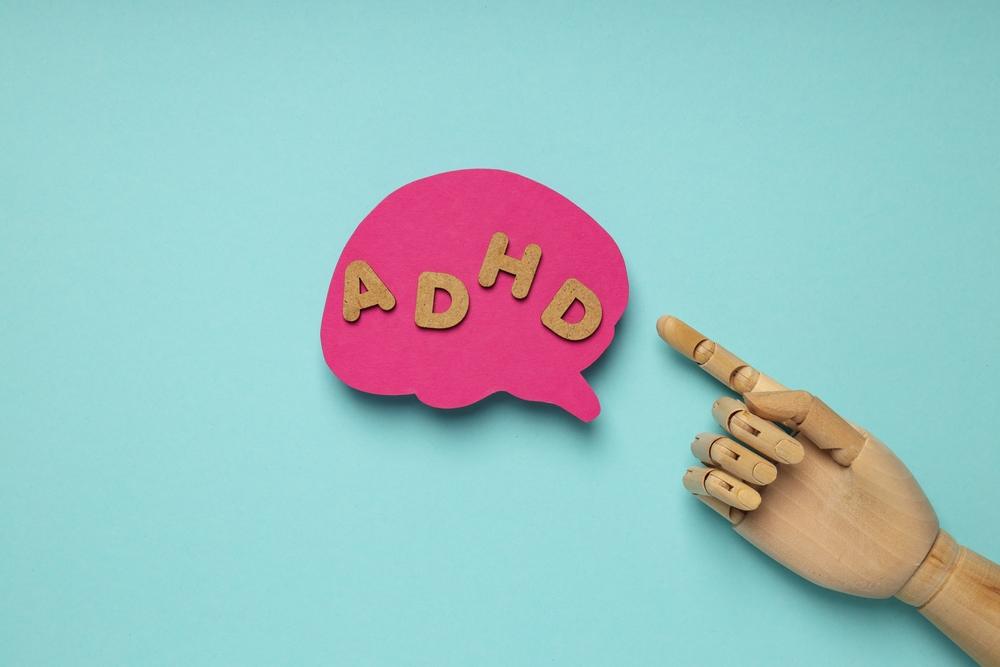
Katey Moseley’s Journey to ADHD Diagnosis
Receiving an ADHD diagnosis as an adult can be an arduous and emotional undertaking. For Katey Moseley, years of feeling burnt out and grappling with daily life challenges, coupled with a sense of confusion surrounding previous diagnoses, ultimately compelled her to seek clarity.
In this personal narrative, Katey recounts her experience of obtaining an ADHD diagnosis via the NHS Right to Choose pathway and the Well Life Clinic. She details the assessment process and reflects on how this diagnosis has significantly enhanced her self-understanding.
Understanding the Overwhelm
Rather than being mired in constant worry or sadness, Katey often found herself overwhelmed by an unending stream of thoughts that left her utterly drained. Throughout her twenties and early thirties, she battled mental health issues but sensed there was an additional factor contributing to her struggles.
Though she could engage in social activities and enjoy life, the aftermath often left her fatigued, requiring considerable time to recuperate. Gradually, this exhaustion began to impede her professional life. “I was taking so much sick leave, and I knew something was amiss,” she reflects. “I wasn’t functioning as I believed a grown-up should.”
Recognising the Signs from Childhood
In retrospect, Katey identifies signs of neurodivergence dating back to her childhood. Her mother had long suspected that she and her siblings were neurodiverse, with one of her brothers receiving a diagnosis.
“I didn’t fit the typical stereotype of ADHD,” she explains. “At school, I was predicted to achieve straight A grades and consistently received positive feedback, although teachers often mentioned that I ‘could exert more effort’.”
Because she was neither disruptive nor underperforming academically, ADHD was not considered a possibility. While she exhibited high energy levels and engaged in behaviours such as talking to herself during video games, she was unaware that these could indicate underlying issues.
Support from Colleagues and Self-Discovery
Many girls manage to excel at school or develop coping mechanisms that mask their challenges, often leading to delayed diagnoses into adulthood. For Katey, it was the observations of her colleagues that prompted her to recognise behaviours she had previously overlooked, such as stimming actions like touching her face and ears.
“That was the turning point,” she admits. “I realised I needed to explore whether I had ADHD. It could unlock so many questions I had about myself.”
Following the end of an abusive relationship, she began to reflect on her life experiences and question why certain events had transpired. “He was the doctor who listened to me the most. When I expressed a desire for an ADHD assessment, he simply said: ‘Just tell me which clinic you prefer.’”
A Streamlined Assessment Process
She received confirmation of her referral on the same day, with acceptance following shortly thereafter. Within a week, she was contacted to arrange her assessment. In total, the journey from referral to assessment lasted approximately two weeks, culminating in her diagnosis roughly three weeks post-assessment.
The assessment process itself was thorough, requiring her to reflect on various stages of her life, including childhood, education, adulthood, relationships, and the challenges she faced.
“It was quite intensive as it involved revisiting my entire life,” she recalls. “We discussed childhood memories and aspects I hadn’t considered significant before.”
A Transformative Experience
Katey describes the assessment as potentially more intense than some therapy sessions due to the depth of exploration. However, she felt comfortable and respected throughout the process. “It truly has been life-changing,” she asserts. “It felt as though I had finally discovered the answer to my life. Everything suddenly made sense.”
The diagnosis allowed her to perceive herself in a new light and comprehend that many of her past difficulties were rooted in legitimate reasons. “The support I’ve received has been remarkable,” she states. “I’ve never felt unable to reach out or abandoned after my diagnosis.”
Insights from ADHD Experts
For those who suspect they might have ADHD, the prospect of obtaining a diagnosis can evoke a blend of relief and apprehension. Dr Hijab Khan, Clinical Lead for ADHD at Well Life Clinic, offers insights into how ADHD can influence daily productivity and provides practical strategies for improvement.
Receiving an ADHD diagnosis has been a pivotal moment for Katey, offering clarity on years of challenges and fostering a deeper understanding of herself. She continues to engage with health writing, focusing on mental wellbeing, women’s health, and holistic approaches to health.




More Stories
Essential Guide to Understanding Young-Onset Dementia: Key Facts and Insights
Harnessing Science to Tackle the Tyne Nurdle Pollution Crisis
Understanding Exfoliation: Its Importance for Healthy Skin Explained