
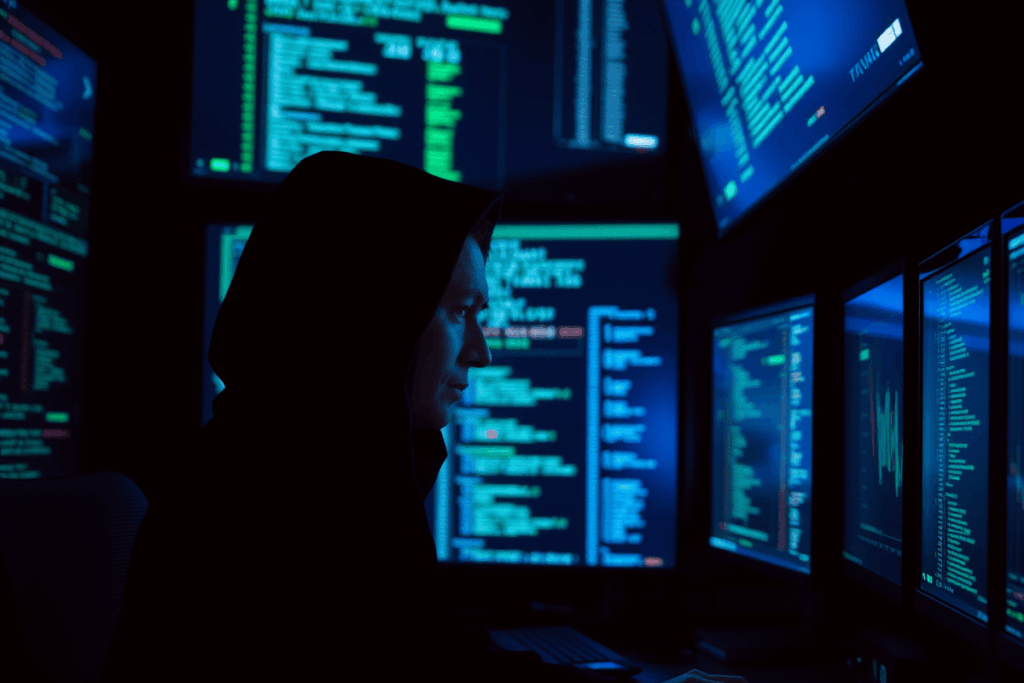
British technology startups are increasingly vulnerable to foreign espionage as the UK’s domestic intelligence agency, MI5, intensifies its efforts to combat cyber threats. The agency has identified a growing trend of hostile state actors targeting innovative companies, particularly in sectors pivotal to national security and economic resilience.
Heightened Risks for Startups
As the landscape of technological innovation becomes more competitive, startups in the UK are at risk of becoming prime targets for espionage. MI5 has raised alarms about the tactics employed by foreign entities, which may attempt to infiltrate these businesses to steal sensitive information, intellectual property, or trade secrets. The agency’s warnings have prompted a call for heightened vigilance among entrepreneurs and tech leaders.
The rise of artificial intelligence and advanced computing has only exacerbated these threats, as the potential for significant financial gain motivates malicious actors to exploit vulnerabilities in nascent companies. With the UK aiming to position itself as a global leader in technology, the protection of its innovative ecosystem has never been more critical.
Government’s Response to Cyber Threats
In response to these escalating threats, the UK government is taking a proactive stance, collaborating with MI5 to bolster cybersecurity measures across the tech industry. Initiatives are being introduced to educate startups on the importance of robust cybersecurity practices, alongside resources to help mitigate risks associated with foreign interference.
One such initiative includes the establishment of partnerships between government agencies and private sector firms, aimed at fostering knowledge sharing and enhancing the resilience of tech startups against these threats. This collaborative approach not only prepares companies for potential cyber attacks but also strengthens the overall security framework within the UK.
Empowering Startups Through Awareness
Awareness is crucial for startups to effectively defend against espionage tactics. Understanding the signs of potential threats and implementing preventive strategies can significantly reduce the risk of infiltration. MI5 has encouraged businesses to be vigilant about their supply chains and to carefully vet partners and collaborators to ensure they are not inadvertently opening themselves up to exploitation.
Moreover, startups are urged to invest in cybersecurity training for their staff, fostering a culture of security that prioritises safeguarding sensitive information. By empowering employees with the knowledge to identify and respond to potential threats, companies can create a formidable first line of defence against espionage.
Long-term Strategies for Security
Looking ahead, the focus on cybersecurity within the tech sector is expected to become even more pronounced. As foreign interference continues to evolve, the UK must remain agile and responsive to emerging threats. Long-term strategies will be essential to fortify the resilience of British tech startups, ensuring they can thrive in a secure environment.
Government support, combined with a proactive approach from the private sector, will be vital in safeguarding the innovation that drives economic growth. By remaining vigilant and investing in comprehensive security measures, British startups can not only protect their assets but also contribute to a more secure technological future for the nation.



More Stories
Football Regulator Issues Stark Warning to Burnham: Resignation Threatened if Ministers Intervene in Manchester City Affairs
Plus500’s Super-App Aspirations: A Familiar Tale from London’s Tech Scene
Istanbul Airport CEO: Abandoning Third Runway Plans Could Harm the UK Economy