
‘Biohacking’ has emerged as a popular trend aimed at enhancing longevity and optimising physical and mental performance by ‘hacking’ biological processes. In a world still reeling from a global pandemic, which has not only stalled life expectancy but also diminished healthy life expectancy in the UK, more individuals are striving to take control of their health. For many, this pursuit often involves exploring alternatives beyond conventional healthcare.
Healthy life expectancy is defined as the number of years an individual can anticipate living in good health. Projections for 2024 indicate that men may spend nearly a quarter of their lives in poor health, while women could experience slightly more of their lifespan in a similar state. This means that, on average, many of us may find ourselves in less-than-ideal health well before reaching retirement age.
The Evolution of Biohacking
Biohacking has progressed from its early emphasis on invasive DIY biology techniques—such as implanting technology, magnets, and chips under the skin to enhance sensory or physical capabilities—to a broader focus that includes the use of supplements, functional testing, and lifestyle modifications. This modern iteration of biohacking encompasses practices such as blood tests, continuous glucose monitoring (even for those without diabetes), stool testing, and wearable devices to monitor sleep and physical activity.
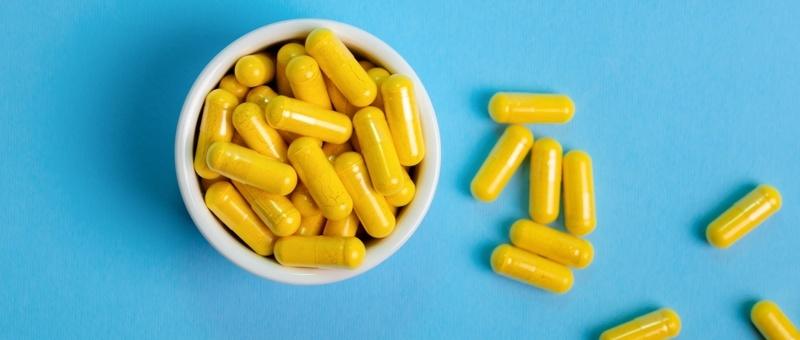
Across various social media platforms, biohacking is a prevalent topic, with diverse communities advocating for health and longevity improvements. As a nutritional therapist, I frequently encounter the use of supplements, both personally and with my clients. Supplements can be integral to a comprehensive health protocol aimed at enhancing quality of life. Unfortunately, the nutritional value of modern food—vegetables included—has declined, leading to potential deficiencies even in those adhering to an otherwise balanced diet.
The Risks of Supplementation
It is crucial to understand that supplements are not simply benign sugar pills. Overdosing on vitamins, particularly the fat-soluble variants—A, D, E, and K—can have detrimental effects. Excessive antioxidant intake has been linked to reduced sperm quality, particularly in my experience as a fertility nutritionist. Moreover, excessive mineral consumption may lead to a range of health issues, including organ damage.
Individuals often overlook the fact that supplements require processing by the liver and kidneys. I have frequently encountered clients who, in their quest for optimal health, consume upwards of 50 supplements daily. Unsurprisingly, their blood tests often reveal compromised liver and kidney function. Additionally, interactions between supplements and medications pose significant risks, as does the unintentional doubling up on nutrients from different products.
Functional Testing: A Double-Edged Sword
Functional testing, a cornerstone of biohacking, encompasses a variety of assessments, including urine, blood, stool, saliva, hair samples, and cheek swabs. Unfortunately, conventional reference ranges typically employed by healthcare professionals may overlook what are considered physiologically optimal values. These conventional ranges are based on population statistics, often neglecting individuals who fall within the top or bottom 5%, leaving many feeling unwell yet dismissed by their healthcare providers.
Yearly private functional health checks could be immensely beneficial for individuals seeking to enhance their wellbeing. Just as cars undergo annual maintenance checks, so too should our bodies. Having data to guide health decisions allows for a more targeted approach to diet, supplementation, and lifestyle modifications.
Dietary Strategies and Lifestyle Changes
Diet and lifestyle adjustments represent some of the most accessible elements of biohacking. While the costs associated with supplements and testing can quickly escalate into the thousands, dietary changes are generally more manageable. There exists considerable debate over the best dietary approach, with advocates ranging from plant-based enthusiasts to strict carnivores. However, a common consensus within biohacking circles is the significant reduction or complete avoidance of ultra-processed foods (UPFs), which are increasingly linked to adverse health outcomes.
Intermittent fasting is another tool frequently employed by biohackers to regulate blood sugar and promote bodily detoxification. A simple overnight fast, such as from 8 p.m. to 8 a.m., can allow the digestive system a period of rest. While longer fasting intervals can be beneficial, they should be approached with caution and ideally under professional guidance.
Harnessing the Power of Natural Rhythms
Research supports the importance of aligning with natural circadian rhythms, particularly by exposing oneself to morning light within half an hour of waking. This practice aids in the suppression of melatonin and enhances alertness throughout the day. However, one should avoid staring directly into the sun.
Cold exposure therapy, such as ice baths, has gained traction for its potential anti-inflammatory benefits. Yet, physiological differences between genders suggest that women may achieve similar results at slightly higher temperatures. If the thought of a cold plunge feels unbearable, alternative methods exist to achieve comparable benefits.
Breathwork is another accessible technique that has garnered attention, as it can significantly reduce stress and improve heart rate variability simply by focusing on controlled breathing patterns. This list of biohacking techniques is by no means exhaustive; it could also encompass practices such as hypnotherapy, comprehensive exercise routines, and other innovative therapies.
Understanding the True Purpose of Biohacking
My interpretation of biohacking centres on health optimisation and longevity rather than striving for unattainable superhuman abilities. It is essential to recognise that human evolution cannot be outsmarted. While there is a growing awareness of the unique biological needs of women, many recommendations still seem overly rigorous for those with a female physiology.
It is worth noting that much of the research surrounding popular peptides is scarce and should only be pursued under medical supervision due to potential health risks. Misunderstandings about electrolyte supplementation and its implications can also lead to unintended consequences, such as sodium overload.
For those keen to embark on a biohacking journey, I encourage a focus on safety and well-being. The moment a health regimen becomes inflexible or driven by external pressures, it ceases to be beneficial. It is vital to remain sceptical of sweeping claims made on social media. Biohacking should not be about adopting an extravagant lifestyle; rather, it should prioritise care for one’s health, body, and mind.




More Stories
Essential New Guidance for Farmers to Enhance Flood Resilience
Collaborative Efforts: How the Environment Agency and the Netherlands Unite to Safeguard Communities Against Rising Tides
Do Blue Light Filters Really Work? Unveiling the Truth Behind Eye Protection