
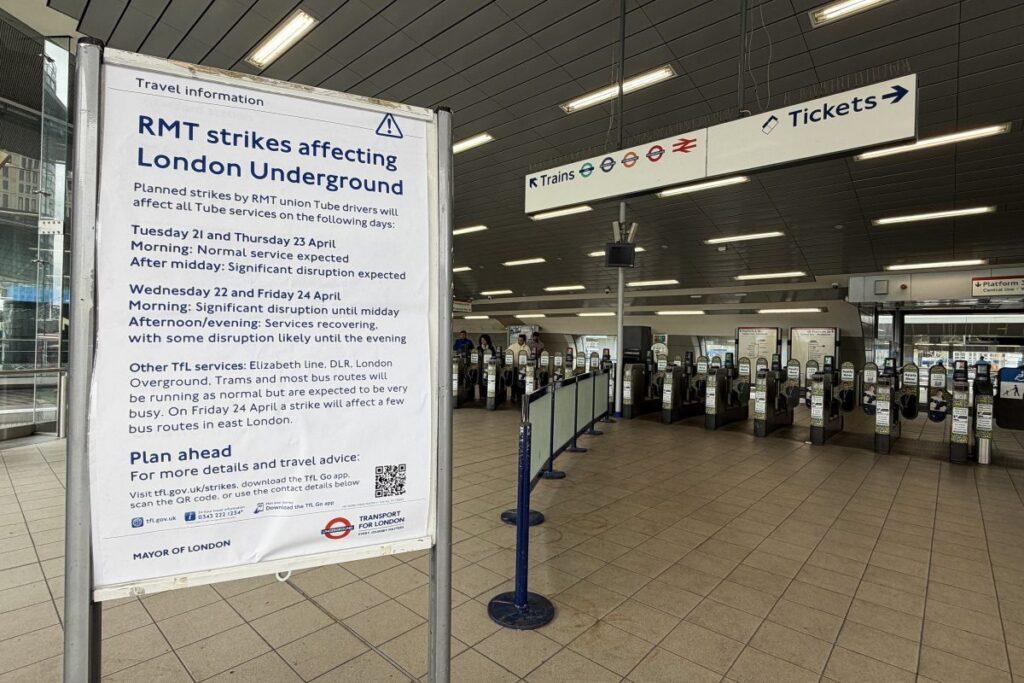
Legislation aimed at prohibiting industrial action during significant sporting events, including the Olympics, is currently under consideration in Westminster. This pivotal amendment, if approved, could reshape the landscape of how labour disputes are managed in relation to major sporting occasions.
Potential Impact on Sporting Events
The proposed amendment has sparked considerable debate among lawmakers and stakeholders in the sports industry. Advocates argue that such a ban would ensure that events of national and international importance proceed without disruption, safeguarding not only the athletes’ performances but also the economic interests tied to tourism and broadcasting rights. The Olympics, in particular, represents a substantial investment, and maintaining a stable environment during the games is seen as crucial.
Opponents of the amendment, however, raise concerns regarding workers’ rights. They argue that banning industrial action could undermine the ability of employees to negotiate fair conditions. The balance between ensuring the smooth running of major events and protecting workers’ rights is at the forefront of this discussion, highlighting a broader societal dilemma about the power dynamics between employers and employees.
Responses from the Sports Community
Members of the sports community have responded with a mixture of support and apprehension. Some athletes and sports organisations have expressed their backing for the amendment, citing the importance of uninterrupted competition and the need for a reliable platform for showcasing talent on the world stage. Others, including unions and advocacy groups, stress the need for dialogue and compromise to address underlying issues without resorting to legislation that could inhibit workers’ rights.
As the debate unfolds, the implications of the amendment extend beyond the immediate context of sporting events. It raises fundamental questions about the balance of power in labour relations and the role of government in mediating these dynamics, especially in high-stakes environments. The outcome of this legislative discussion could set a precedent for future interactions between the sports sector and workforce regulations.
The Broader Context of Labour Relations
This legislative move occurs against a backdrop of heightened tension in labour relations across various sectors, reflecting a growing trend of industrial action in response to perceived injustices and inadequate working conditions. As the government seeks to navigate these complexities, the decision to potentially restrict industrial action during major events could be seen as a strategic effort to maintain public order and economic stability in the face of widespread unrest.
Ultimately, the outcome of this amendment will not only affect how sporting events are conducted but also signal the government’s stance on the delicate balance between facilitating economic prosperity and upholding workers’ rights in a changing labour landscape. As Westminster deliberates, all eyes will be on the implications for both the sports industry and the workforce at large.


More Stories
Discover the Visionary Leading London’s Largest Factory Development Since WWII
Sainsbury’s Aims to Reclaim Spotlight Following Shocking Morrisons Merger Announcement
McLaren Set to Reap £50 Million from Sale of Five Exclusive Formula 1 Cars