
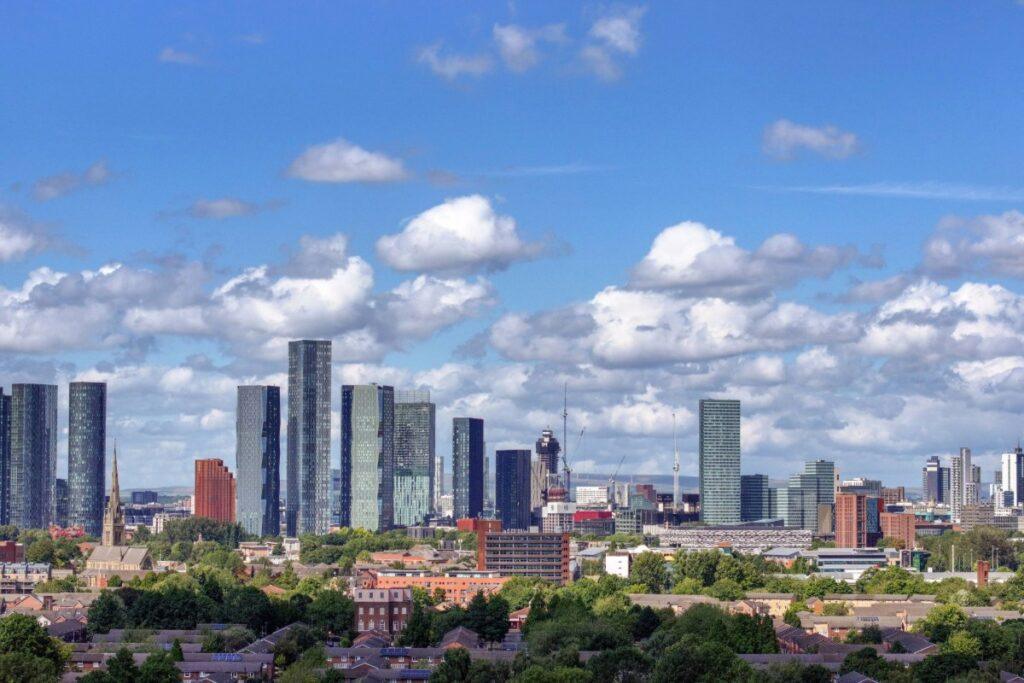
The narrative surrounding London often portrays the city as a powerful whirlpool, irresistibly drawing in talent and resources from various regions. This perception, while not entirely unfounded, overlooks the intricate dynamics of the UK’s urban environment, particularly how London’s expansion has a beneficial ripple effect on cities like Manchester, Birmingham, and others.
Regional Growth Stimulated by London’s Prosperity
London’s economic prowess and cultural vibrancy can indeed overshadow other cities, creating a perception of a one-sided competition. However, the truth is that as London flourishes, it inadvertently fuels growth in secondary cities. The relationship between London and these urban centres is more symbiotic than competitive, as the capital’s thriving industries often lead to increased investment and opportunities beyond its borders.
For instance, companies seeking to escape the high costs of London are increasingly setting up operations in Manchester and Birmingham. These cities offer not only more affordable real estate but also a burgeoning talent pool and a growing infrastructure, making them attractive alternatives for businesses. This shift benefits local economies, creates jobs, and encourages further development in the regions.
Collaborative Ecosystems in the UK
Moreover, the collaboration between London and other cities fosters a unique ecosystem that enhances innovation and creativity. The close proximity of these urban areas allows for easy networking and knowledge exchange. For example, tech firms in London often partner with startups in Manchester, leveraging the strengths of both locations to drive forward-thinking projects.
Furthermore, the transport links between London and other cities have strengthened, making commuting more feasible and encouraging a fluid movement of talent. Many professionals now find themselves splitting their time between London and their home cities, enriching the local cultures while still engaging with the capital’s bustling economy.
The Rise of Regional Hubs
In recent years, cities outside London have begun to carve out their own identities, attracting talent and investment in their own right. Birmingham is making strides in the creative industries, while Manchester has established itself as a hub for digital innovation. These cities are no longer seen merely as satellite towns; they are emerging as vibrant centres in their own right, contributing significantly to the national economy.
As these regions develop, they also create a more balanced economic landscape, reducing the over-reliance on London. This diversification is crucial for the UK’s long-term resilience, allowing for a more sustainable growth model that benefits the entire country.
Future Prospects for Urban Development
Looking ahead, the challenge will be to maintain this momentum and ensure that regional cities continue to thrive alongside London. Policymakers and business leaders must focus on fostering local talent, investing in infrastructure, and promoting innovation to sustain the growth of these vibrant urban centres.
In conclusion, while London may be the epicentre of economic activity in the UK, its growth serves as a catalyst for the development of cities like Manchester and Birmingham. The future holds promise for a more interconnected and balanced urban landscape, where each city contributes to a collective national success story.



More Stories
Building a Strong League Identity from Scratch: The Ultimate Sevens Brand Agency Approach
Brewdog Responds to Former Owners with Strong Rebuttal of Allegations
Shein Wins Appeal in Ongoing Fast Fashion Copyright Dispute with Temu