
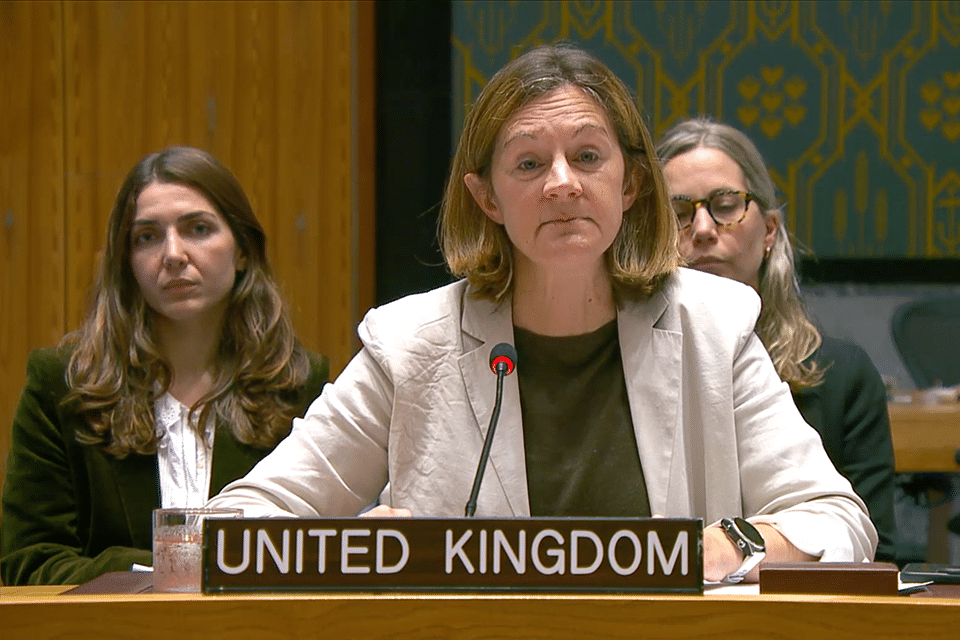
Recent months have seen a positive shift in diplomatic relations, particularly concerning the situation in the eastern Democratic Republic of the Congo (DRC). However, for the civilian population in this region, such progress has not yet manifested in improved security conditions.
Humanitarian Crisis Remains Alarming
The humanitarian landscape in the DRC is increasingly dire, with over 26 million individuals grappling with acute food insecurity. Alarmingly, approximately 3.6 million of these people are experiencing emergency levels of this crisis. The ongoing conflict and widespread displacement exacerbate the already severe impact of the Ebola outbreak, alongside various climate-related challenges.
The United Kingdom is committed to supporting humanitarian efforts in the region, including our contributions to combatting the Ebola crisis. Nonetheless, it is imperative that all parties involved ensure safe, rapid, and unhindered access for humanitarian operations, while also removing barriers that prevent the delivery of essential aid.
Progress in Peace Processes
Encouraging advancements have taken place through the Doha and Washington processes, notably with the recent deployment of EJVM+ facilitated by MONUSCO, in conjunction with ongoing mediation efforts led by the African Union. To secure lasting peace, it is crucial that any agreements and mechanisms established yield tangible improvements for the local populace.
We strongly urge all parties to halt hostilities, honour their commitments in full, and engage with the peace processes in a constructive and sincere manner. The Washington, Doha, and African Union-led initiatives should be mutually reinforcing, characterised by clear coordination and a sense of African ownership.
Furthermore, the ability of peacekeepers to effectively fulfil their roles is essential for progress. All involved parties must respect MONUSCO’s mandate, ensuring the Mission has the necessary freedom of movement. Additionally, adherence to international humanitarian law is critical, particularly regarding the protection of civilians. The increasing deployment of drones, heavy artillery, and explosive devices in populated areas poses a heightened threat to civilian lives and infrastructure.
Illicit Exploitation of Resources
The ongoing illegal exploitation and trafficking of vital minerals in the region not only fuels armed groups but also erodes trust within communities and stifles legitimate development opportunities. We support the Secretary-General’s initiative to enhance the Regional Certification Mechanism and encourage both regional and international stakeholders to collaborate on establishing more robust traceability and certification systems.
It is essential that the exploitation of critical minerals benefits local communities rather than exacerbating conflicts. As such, sustainable diplomatic efforts have opened a window for meaningful progress.
Call for Sustained Commitment
The true measure of diplomatic success will ultimately hinge on tangible changes on the ground—specifically, whether civilians experience increased safety, if humanitarian aid can reach those most in need, and whether the involved parties uphold their commitments. We strongly appeal to all parties and regional leaders to transform the current diplomatic momentum into enduring peace.



More Stories
Exchequer Secretary to the Treasury Addresses Key Growth Strategies at West Midlands Summit
UK Affirms Commitment to Uphold Self-Determination for Overseas Territories at UN Fourth Committee
Zelenskyy to Meet UK Leaders at Downing Street Amidst Boosted Support for Ukraine and Calls for Global Unity