
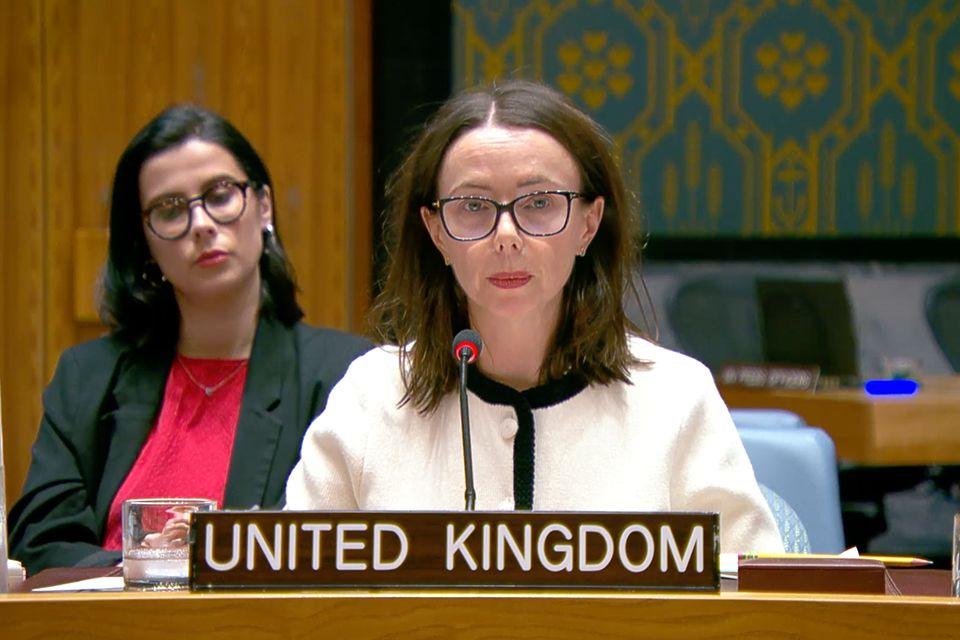
The United Kingdom has expressed its support for the recent establishment of a Government in Kosovo and the election of President Justina Shiroka Pula. This development marks a significant step forward, and the UK looks forward to further collaboration with Kosovo to promote its Euro-Atlantic aspirations and to foster its growth as an inclusive, democratic, and multi-ethnic nation.
Encouraging Recognition of Kosovo’s Independence
As the first country to officially acknowledge Kosovo’s independence, the UK urges those Member States that have yet to do so to join the majority in recognising Kosovo’s sovereignty. The normalisation of relations between Kosovo and Serbia is critical for ensuring long-term stability and securing the European futures of both nations.
The UK continues to advocate for both parties to adhere to existing agreements and to engage proactively in the EU-facilitated Dialogue. This includes the full implementation of the Ohrid Agreement and fulfilling Article 7, which mandates providing an appropriate level of self-management for the Serbian community within Kosovo.
Safeguarding Rights of Non-Majority Communities
Concerns regarding the impact of certain actions taken by Kosovo on non-majority communities, particularly in northern Kosovo, have been highlighted in the Secretary-General’s report. It is imperative that Kosovo’s Constitution, which establishes comprehensive protections for these communities’ rights, is fully realised in practice and in accordance with the rule of law.
Furthermore, Serbia is called upon to grant access to relevant archives and records to facilitate progress regarding missing persons. More than 1,500 individuals from various communities remain unaccounted for over twenty-five years after the conflict, underscoring the urgency of this matter.
Justice for Past Crimes
The situation remains critical, particularly in light of the Banjska attack and the murder of Kosovo Police Sergeant Afrim Bunjaku, which occurred over three years ago. The UK continues to demand that Serbia ensure accountability for those responsible for these acts, including Milan Radoičić, who is subject to an Interpol Red Notice yet continues to reside freely in Serbia.
UNMIK’s Evolving Role
Since 1999, Kosovo has undergone significant transformation. Many functions that were once the responsibility of UNMIK are now managed by Kosovo’s own institutions and other international bodies, such as KFOR, EULEX, and the OSCE. This evolution should be accurately reflected in the structure and resources of the Mission.
While the UK welcomes the substantial reductions in staffing that have already been implemented, it reiterates the necessity for a strategic review of UNMIK’s role, responsibilities, and funding. This review should aim to align UN resources with the current realities on the ground.
Appreciation for UNMIK’s Contributions
In conclusion, the United Kingdom wishes to express its gratitude to the Special Representative and all staff members of the Mission who have contributed to the work of UNMIK. Their efforts have been instrumental in supporting Kosovo’s development and stability in the region.



More Stories
Domestic Abusers Risk Eviction as Survivors Secure Enhanced Housing Rights
UK Drivers Set to Save £300 on Home EV Charger Installations as Government Eases Regulations
DVLA Unveils Ambitious Business Plan for 2026-2027: Key Insights and Strategies