
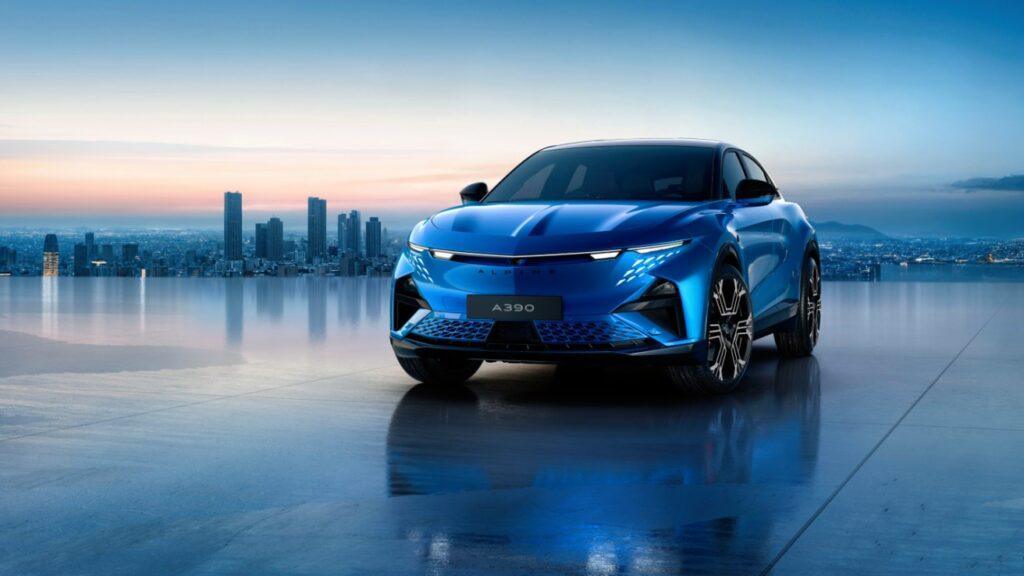
The landscape of corporate motoring is undergoing a significant transformation, prompting questions about the future of the traditional executive company car. With the rise of electric vehicles (EVs) and the introduction of tax-efficient Benefit-in-Kind (BiK) rates, the dynamics of how companies approach their vehicle fleets are changing rapidly.
The Shift Towards Electric Vehicles
As businesses strive to align with sustainability goals and reduce their carbon footprints, electric vehicles have emerged as a compelling option for corporate fleets. Many companies are now opting for EVs not only for their environmental benefits but also for the potential cost savings that can be realised through lower running costs and government incentives. The move towards electrification is not merely a trend; it reflects a broader commitment to corporate social responsibility and environmental stewardship.
Moreover, advancements in EV technology have alleviated concerns surrounding range anxiety and charging infrastructure, making them more viable for daily business use. This shift is prompting companies to reconsider their vehicle choices and the associated perks for employees, particularly as more models become available that cater to various needs, from compact cars to larger vehicles suitable for executive travel.
Understanding Benefit-in-Kind Taxation
Taxation policies, particularly the BiK rates, play a crucial role in shaping corporate decisions regarding vehicle provision. The UK government’s recent adjustments to BiK rates for electric vehicles have made them particularly attractive to both employers and employees. With significantly lower tax implications compared to traditional petrol or diesel vehicles, EVs offer a financial incentive that is hard to ignore.
This has led to an increase in the number of companies offering EVs as part of their employee benefits package. By providing a more tax-efficient alternative, businesses can enhance their appeal to potential recruits while fostering a greener image. As these financial advantages become more widely recognised, the uptake of EVs in corporate fleets is expected to rise, further diminishing the traditional allure of petrol and diesel company cars.
Changing Employee Preferences
Employee preferences are also evolving as the workforce becomes increasingly eco-conscious. Younger generations, in particular, are prioritising sustainability in their choices, and this extends to their professional lives. As a result, companies that fail to adapt to these changing expectations may struggle to attract and retain top talent.
Offering an electric vehicle as part of a benefits package not only demonstrates a commitment to sustainability but also aligns with the values and lifestyle choices of a modern workforce. This shift in employee priorities is encouraging companies to rethink their approach to company cars, as they seek to provide vehicles that resonate with their employees’ values.
The Future of Executive Vehicles
As the corporate motoring landscape continues to evolve, the traditional executive company car may indeed be fading from prominence. The rise of electric vehicles, coupled with favourable tax policies and shifting employee preferences, suggests that the future will likely see a more diversified range of options for corporate fleets. Companies that embrace this change will not only enhance their operational efficiency but also reinforce their commitment to sustainability and employee satisfaction.
In conclusion, while the classic executive car may not disappear entirely, its role is undoubtedly changing. As businesses adapt to new technologies and shifting societal values, the way we think about corporate motoring is entering a new era, one that prioritises innovation, efficiency, and environmental responsibility.




More Stories
How Peppa Pig and the Lionesses are Teaming Up to Score Big for Families
Palantir Resolves £50 Million Dispute with Met Police Amid Concerns Over ‘Unlawful’ Bias
Foreign Nationals’ Benefits and Pensions Estimated to Cost £23 Billion: Key Insights