
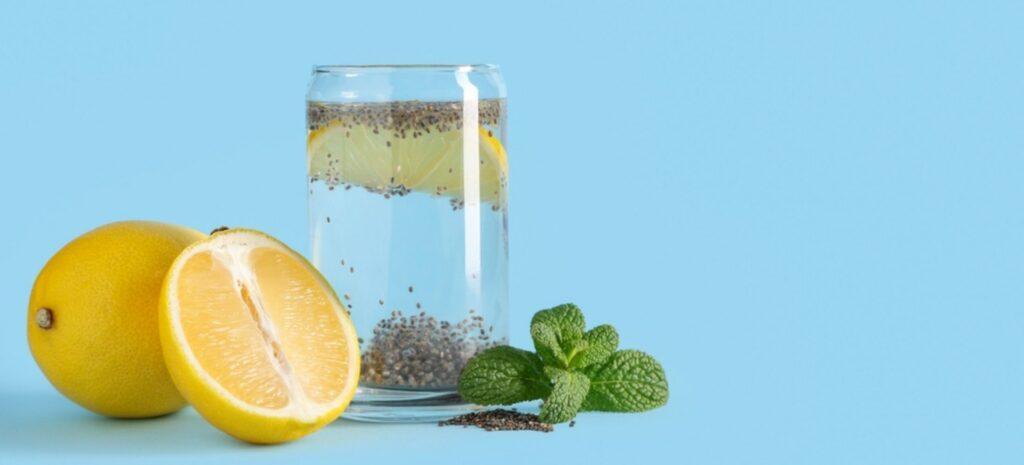
Understanding Tadpole Water
Tadpole water is a term that has gained popularity on social media, particularly on platforms like TikTok. However, it does not involve any actual frogspawn. Instead, it refers to the practice of soaking chia seeds in water, allowing them to absorb the liquid and form a gel-like coating. This concoction is then consumed for its purported health benefits, which have sparked curiosity and debate.
The name ‘tadpole water’ derives from the appearance of the soaked chia seeds, which resemble frogspawn due to the gelatinous layer that forms around them. Some enthusiasts enhance the flavour of this mixture by adding ingredients such as lemon juice, transforming the otherwise bland beverage into something more palatable.
Origins of the Trend
The trend of drinking ‘tadpole water’ began to circulate widely in late 2024, drawing attention for its unusual name and claimed health benefits. Chia seeds are known for being rich in essential nutrients like omega-3 fatty acids, fibre, calcium, and iron, as well as polyphenols, which are plant compounds celebrated for their antioxidant and anti-inflammatory properties.
However, before jumping on the bandwagon of this viral health trend, it is essential to critically evaluate whether the benefits associated with consuming ‘tadpole water’ are substantiated by scientific evidence. While a mixture of water, chia seeds, and lemon juice may not pose significant health risks, understanding its actual benefits is crucial.
Health Claims and Nutritional Value
Proponents of tadpole water claim it can aid in promoting regular bowel movements, suppressing appetite, lowering cholesterol levels, and assisting with weight loss. However, the evidence supporting these claims varies in robustness. Drinking sufficient water is fundamental to maintaining overall health, with most adults requiring approximately six to eight glasses daily to ensure proper bodily functions.
Avery Zenker, a registered dietitian, highlights that for some individuals, incorporating chia seeds into their water intake could make it more enjoyable and encourage better hydration habits. Nonetheless, she notes that the evidence indicating that combining chia seeds with water offers more benefits than consuming them separately—such as in smoothies or oatmeal—is limited.
The Role of Chia Seeds in Diet
A serving of chia seeds, typically two tablespoons, provides around seven grams of fibre, which accounts for 18-30% of the recommended daily intake. These seeds are known to promote gut health and microbial diversity. Zenker further explains that the nutrients in chia seeds can nourish beneficial gut microbes, which in turn may enhance the production of short-chain fatty acids (SCFAs) that possess anti-inflammatory properties.
While some data suggests that chia seeds may help lower blood sugar levels after meals, this is often linked to higher dosages than what is generally used in ‘tadpole water’. Currently, there is no conclusive clinical evidence that drinking chia water directly contributes to weight loss, although it is unlikely to hinder weight-loss efforts if consumed as part of a balanced diet.
Potential Health Benefits and Considerations
Chia seeds are nutrient-dense and fibre-rich, making them an excellent addition to a high-fibre, whole-food diet that supports healthy weight loss. Nevertheless, research findings on the relationship between chia seeds and weight loss are mixed, indicating that while some studies show potential benefits, others find little evidence of a direct link.
Zenker points out that the purported benefits of drinking tadpole water likely stem from either increased water intake or a higher consumption of chia seeds, rather than the combination of the two. An additional glass of water or a greater intake of chia seeds may yield similar results.
Safety and Optimal Consumption
There is some evidence to suggest that chia seeds may contribute to maintaining healthy blood pressure and reducing cholesterol and triglyceride levels, which are associated with heart disease. Zenker notes that chia seeds are low in carbohydrates, free of sugar, cholesterol, and sodium, making them a heart-healthy choice.
While drinking ‘tadpole water’ is generally safe for most individuals, it is advisable to gradually increase fibre intake, as a sudden spike can lead to temporary bloating and discomfort. It is recommended to begin with a modest amount of chia seeds to allow the digestive system to adjust. However, it is essential to acknowledge that the benefits of chia seeds and hydration can be effectively achieved through separate consumption methods.
Conclusion: Is Tadpole Water Worth It?
Despite the allure of ‘tadpole water’, it may not justify the effort required to prepare it. The potential health benefits can likely be obtained simply by incorporating chia seeds into a balanced diet and ensuring adequate hydration. Zenker advises that most research on chia seeds involves larger quantities than typically found in a serving of tadpole water, suggesting that recipes with more chia seeds could be more beneficial.
For those looking to improve gut health and overall well-being, a diverse diet rich in fibre from vegetables, fruits, legumes, whole grains, nuts, and seeds is the most effective approach. Ultimately, while tadpole water may not be a game-changer for weight loss or health, it can certainly be a part of a broader, more holistic lifestyle strategy.




More Stories
Harnessing Science to Tackle the Tyne Nurdle Pollution Crisis
Understanding Exfoliation: Its Importance for Healthy Skin Explained
Gaynor Faye Discusses Hot Flash, Menopause, and the Importance of Recognising Midlife Women