
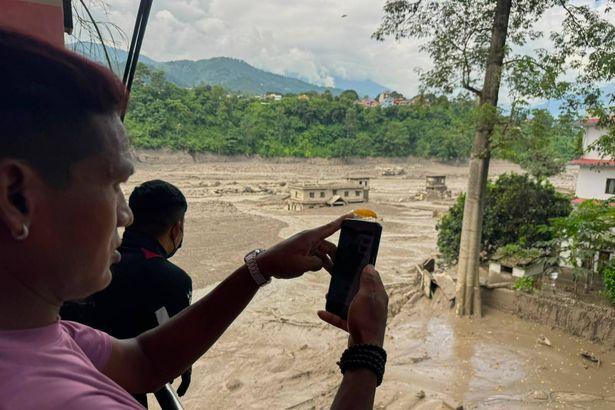
Tragedy has struck in Nepal, where a glacier avalanche has resulted in the deaths of at least eight individuals, while hundreds of tourists, including British citizens, are feared to be missing. The catastrophic event has unleashed severe flash floods, leading to widespread devastation, particularly in the Rasuwa district, which has been identified as the most affected area.
International Rescue Efforts Underway
In response to the disaster, rescue teams from neighbouring India and China have been mobilised to assist local authorities in their search and recovery operations. The challenging terrain and adverse weather conditions are complicating efforts to locate those unaccounted for, as search and rescue personnel navigate through the debris and hazardous conditions left in the wake of the floods. Local officials are working tirelessly to assess the full extent of the damage and provide support to those affected.
The situation remains dire as rescue operations continue, with families anxiously awaiting news of their loved ones. The involvement of international teams underscores the severity of the disaster and the need for comprehensive assistance in the region.
Impact on Tourism and Local Communities
This incident has not only raised concerns about the safety of tourists in Nepal but has also highlighted the vulnerability of local communities to natural disasters exacerbated by climate change. The region is renowned for its stunning landscapes and trekking routes, attracting visitors from around the globe. However, the recent events serve as a stark reminder of the risks associated with such natural attractions.
Authorities are urging tourists to exercise caution and stay updated on safety advisories as they assess the ongoing situation. The local tourism industry, an essential economic driver for the region, is likely to face significant challenges in the aftermath of this calamity, prompting discussions on improving safety measures and preparedness for future incidents.
Long-term Implications of Climate Change
The glacier avalanche and subsequent flooding raise pressing questions about the impact of climate change on the Himalayan region. As glaciers continue to retreat, the risk of such events is expected to increase, posing a threat not only to tourists but also to the livelihoods of local populations. Experts are calling for a greater focus on environmental conservation and disaster preparedness to mitigate the effects of climate change.
In the wake of this tragedy, there is a growing recognition that collaborative efforts are needed to address the underlying issues contributing to the vulnerability of both people and ecosystems in the region. Enhanced monitoring of glacial activity, improved infrastructure, and community education are essential components in building resilience against future disasters.




More Stories
Two London Bakers Eliminate Each Other in Great British Bake Off’s Thrilling Bread Week
City Leaders Alert: Healey Bank Tax Increase Could Force Businesses to Leave the UK
Housebuilders Abandon London Amid Labour’s Planning ‘Nightmare’ Crisis