
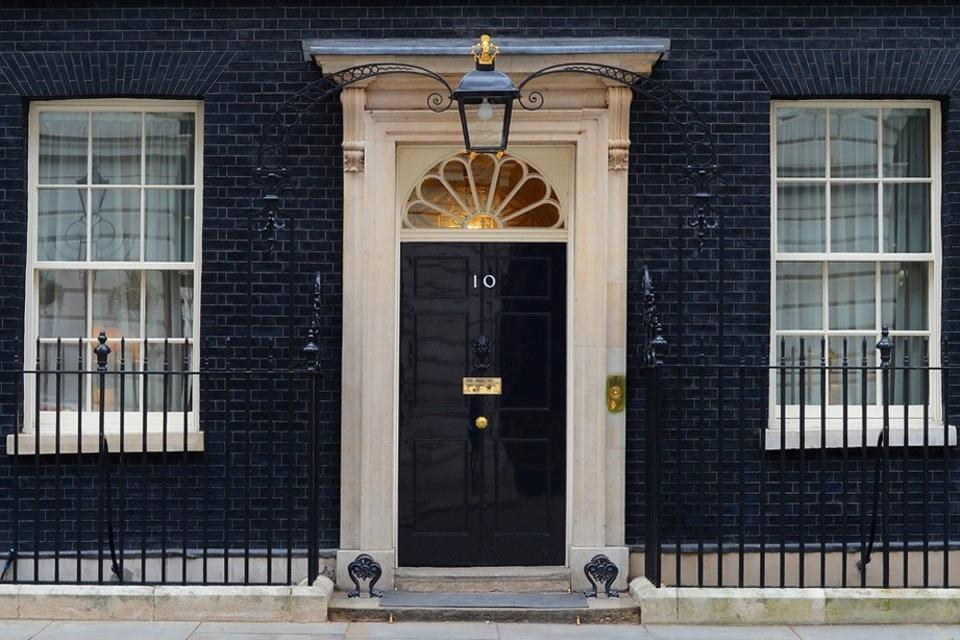
Today marks a significant milestone as Andy Burnham becomes the first Prime Minister to operate from No10 North, signalling an end to the era of centralised power in Whitehall. Located in the heart of Manchester at Heron House, No10 North will serve as a pivotal hub for economic growth and devolution, integrating local decision-making with national governance.
Decentralising Power to Local Communities
With a commitment to reform the way decisions are made regarding the nation’s economic future, Burnham will be working from No10 North on a weekly basis. This initiative aims to dismantle the exclusive decision-making power previously held in Westminster, with other ministers also expected to regularly engage from this new location. This approach underscores the Government’s resolve to adopt a more inclusive and collaborative strategy.
On Friday, Burnham will convene the inaugural meeting of the re-established National Economic Council (NEC) at No10 North. This gathering will bring together senior ministers and regional mayors, reinforcing the Government’s mission to prioritise devolution and localised economic strategies. Originally established in 2008 to tackle an economic crisis, the revival of the NEC demonstrates Burnham’s belief that economic growth today necessitates urgent and cooperative action among governmental bodies and local leaders alike.
Empowering Regional Leadership in Economic Decisions
By inviting regional mayors to participate in this council, the Prime Minister aims to embed devolution into the very fabric of economic decision-making. Burnham’s vision is to ensure that local leaders are not simply consulted but are actively involved in shaping policies that affect their communities. He stated, “For 40 years, power and resources have been sucked into the centre, and too many communities have felt forgotten, without the attention and investment they deserve.”
He further emphasised that No10 North will act as a “situation room” for improving the nation, facilitating the transfer of power from Westminster to local authorities in order to foster community-driven change. “The days of Whitehall resisting devolution are over, for good,” Burnham asserted.
Collaborating with Business to Foster Growth
In preparation for the NEC’s initial meeting, the Prime Minister will engage with prominent Business Representative Organisations, including the Federation of Small Businesses, the Confederation of British Industry (CBI), and the British Chambers of Commerce (BCC). These discussions will focus on collaborative efforts between the Government and the business sector to stimulate growth, attract investment, and create job opportunities across the nation.
The composition of attendees at the NEC will be dynamic, tailored to address specific issues at hand, thereby integrating business leaders, trade unions, and other stakeholders to enhance the efficacy of policy delivery. The aim is to unify local economic growth strategies, ensuring that government departments, mayors, combined authorities, and businesses operate from a cohesive framework rather than fragmented plans.
Significant Economic Relief Measures Announced
As part of this new approach, the Government has also introduced a series of measures aimed at alleviating the cost of living and supporting local economies. Key announcements include the removal of VAT from domestic electricity bills effective from 1 October, which is expected to save the average household approximately £45 annually. Additionally, a £2 cap on bus fares across England will be implemented starting January 2027, alongside a 20% reduction in business rates for pubs, social clubs, and live music venues, benefitting nearly 32,000 establishments from April 2027.
Chancellor of the Exchequer, John Healey, remarked on the significance of this initiative, stating, “This is a new era for devolution. Never before has a government been so serious about passing on its own power from Westminster in favour of local areas. No10 North sits at the heart of that plan.”
These developments not only set the stage for the Prime Minister’s agenda focused on cost-of-living challenges but also signal a transformative shift in how power and resources will be distributed throughout the United Kingdom.



More Stories
Become Tunisia’s Ambassador for a Day: Apply Now!
Interim Chair of National Savings and Investments Role Extended: What It Means for the Future
UK Welcomes Syrian Democratic Forces’ Integration into Central Government: Statement at UN Security Council