
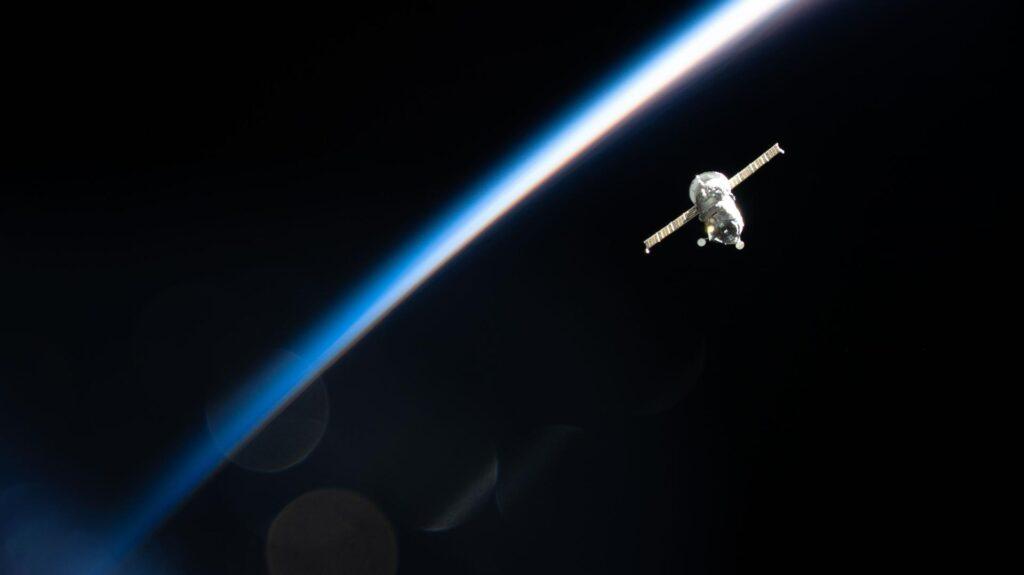
The Progress 96 cargo spacecraft, operated by Roscosmos, is set to embark on a critical mission, delivering essential supplies to the International Space Station (ISS). This uncrewed vessel is scheduled for launch at 12:15 p.m. EDT (9:15 p.m. Baikonur time) on Wednesday, 9th September, from the Baikonur Cosmodrome in Kazakhstan, utilising a Soyuz rocket. NASA will provide live coverage of this launch, commencing at noon on the same day.
Autonomous Docking with the Space Station
Following a two-day journey, the Progress 96 spacecraft is expected to autonomously dock with the ISS at the Poisk module’s space-facing port at 2:37 p.m. on Friday, 11th September. NASA’s coverage of this docking event will begin at 1:45 p.m. The spacecraft is carrying approximately three tonnes of food, fuel, and various supplies aimed at supporting the crew aboard the station.
Viewers can follow the launch and docking events live through multiple online platforms. Additional information on how to watch the coverage can be found at NASA’s official website.
Once successfully docked, the Progress 96 will remain attached to the ISS for an estimated five months, after which it will depart and re-enter the Earth’s atmosphere, where it is anticipated to burn up harmlessly over the Pacific Ocean.
Progress 94 Departure Precedes New Arrival
Before the arrival of Progress 96, the Progress 94 spacecraft will undock from the ISS at approximately 11:18 a.m. on Monday, 7th September, marking its departure for a planned destructive re-entry. It is important to note that NASA will not provide a live stream of the Progress 94 undocking event.
For over 25 years, the ISS has served as a platform for continuous human habitation and scientific exploration, enabling groundbreaking research that is not feasible on Earth. The station plays a vital role in helping NASA address the challenges associated with human spaceflight, facilitating commercial opportunities in low Earth orbit, and laying the groundwork for future long-duration missions to the Moon, as part of the Artemis programme, and eventually to Mars.
Further Information on the International Space Station
For those interested in learning more about the ISS, its scientific research activities, and the crew members involved, further details can be accessed through NASA’s dedicated station page. This resource provides insights into the ongoing work and advancements being made aboard this remarkable orbiting laboratory.
For media inquiries, please contact:
Joshua Finch / Jimi Russell
Headquarters, Washington
202-358-1100
joshua.a.finch@nasa.gov / james.j.russell@nasa.gov
Sandra Jones
Johnson Space Center, Houston
281-483-5111
sandra.p.jones@nasa.gov



More Stories
Curiosity Rover Update: Observing Stunning Cloud Dynamics Over Sols 5036-5042
Discover the Unusual X-ray Hot Radio Source: Treble Clef – APOD for 19th October 2026
NASA’s Hubble Telescope Captures Stunning Image of Spiral Galaxy’s Edge