
Government Intervention to Preserve Artistic Heritage
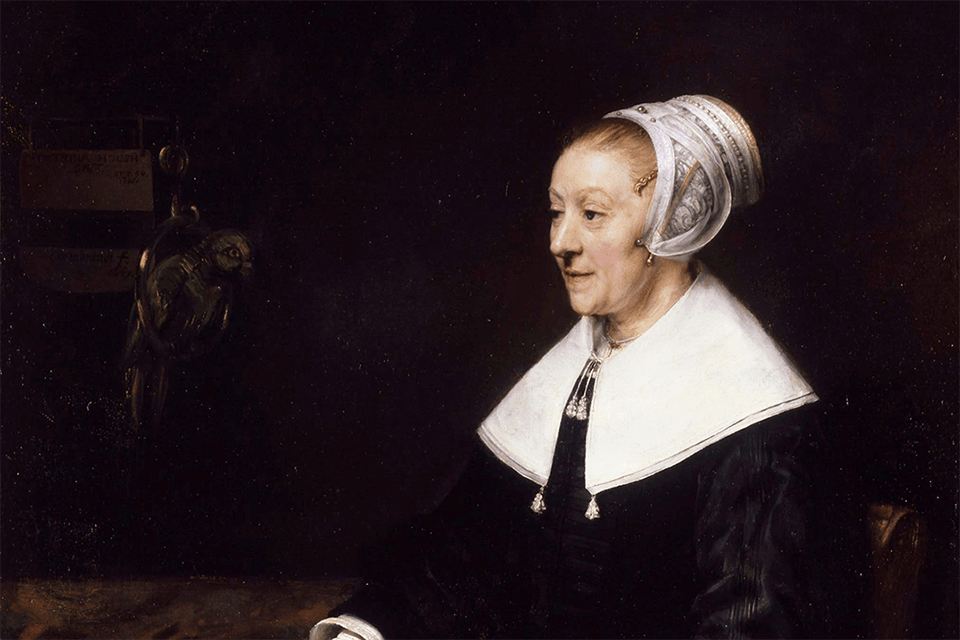
The UK government has intervened to prevent the permanent export of a painting by the renowned artist Rembrandt, aiming to secure its future within the country. The portrait, titled Portrait of Catrina Hooghsaet, painted in 1657, is regarded as one of Rembrandt’s most remarkable later works and has been part of the UK’s artistic landscape since the mid-18th century. With a valuation of £71 million, it is the first object to receive national treasure status at such a high value.
This temporary export ban allows galleries and museums the necessary time to gather the funds required to purchase the painting, ensuring that this significant artwork remains accessible to the public within the UK.
Significance of the Portrait
The portrait holds immense cultural significance, contributing to our understanding of Rembrandt’s artistry as well as the social dynamics, gender roles, religious contexts, and identities present in the Dutch Republic during the 17th century. It also reflects the broader narrative of portrait painting in history.
Catrina Hooghsaet, the subject of the painting, was a distinguished member of Amsterdam’s Mennonite community, known for her unconventional domestic arrangements that saw her living apart from her husband. Rembrandt’s attentive portrayal captures her individuality and character, showcasing his renowned skill in expressing the inner emotions of his subjects.
Voices of Advocacy for the Painting
Arts Minister Ruth Mackenzie emphasised the painting’s deep-rooted connection to the UK’s cultural heritage, stating, “The Portrait of Catrina Hooghsaet has been part of the UK’s cultural life for centuries. The scale, beauty, and history of this masterpiece make it a priority for cultural partners, funders, philanthropists, and art enthusiasts to ensure its historical significance is preserved in the UK.”
Andrew Hochhauser KC, Chairman of the Committee, highlighted the portrait’s place in Rembrandt’s oeuvre, noting its exceptional quality and the profound insight it offers into both the artist’s technique and the social history of the era. He described the painting as “of outstanding aesthetic importance” and stressed the necessity of keeping it on public display for future generations.
Waverley Criteria and Future Steps
The Committee’s recommendation to impose an export bar on the painting is grounded in the Waverley criteria, which assess the national importance of cultural objects. This particular painting was acknowledged for its significant historical ties to the UK, its exceptional aesthetic qualities, and its importance in the study of Rembrandt’s work.
The initial deferral period for the export licence application will conclude on 26 December 2026, during which interested parties are encouraged to make bids to acquire the painting at the recommended price of £71,696,324.90, plus VAT. Should no suitable buyer emerge during this period, a subsequent nine-month deferral will follow.
Encouraging Public Engagement
When a significant cultural object is slated for permanent export from the UK, the government has the authority to pause the process if the object is deemed a national treasure. This initiative allows museums and potential buyers the opportunity to raise necessary funds to retain such works within the country.
Individuals or organisations interested in acquiring the portrait are encouraged to reach out to the Reviewing Committee on the Export of Works of Art and Objects of Cultural Interest via the provided contact details.
In summary, the Portrait of Catrina Hooghsaet stands not only as a testament to Rembrandt’s artistic genius but also as a vital piece of our national heritage, warranting collective efforts to ensure its preservation for future generations.



More Stories
£2 Million Worth of Counterfeit Weight Loss Pens Seized by MHRA and West Midlands Police
Revamped National Policy Statement Set to Transform UK Ports Strategy
Nearly 50% of Individuals with Flu-Like Symptoms Skip Work or School, New Data Reveals