
Emphasising Our Shared Humanity
This address is not intended to delve into the intricacies of development, nor will it be a discourse on Africa specifically. Instead, it aims to explore the fundamental principles of coexistence and collaboration.
We stand at a critical juncture; if we fail to embrace this notion, we may face even darker times ahead. The signs are already apparent. Conflict has resurfaced in Europe, and the current geopolitical landscape is marked by strife, competition, and turmoil. Additionally, we are nearing, and in some instances, have surpassed, environmental thresholds that could jeopardise the life-sustaining systems of our small, delicate planet.
While there is much to be concerned about, I remain an optimist at heart. I genuinely believe that by learning to coexist harmoniously, we can contribute to a future where life on Earth is not only safer but also healthier and more fulfilling than ever before. My focus this evening is on how we can achieve this goal.
I am particularly pleased to engage in this conversation at SOAS, an institution that has long acknowledged our interconnected fates, regardless of our nationality, faith, language, or culture. The Global South is brimming with potential waiting to be harnessed.
The Importance of Local Communities
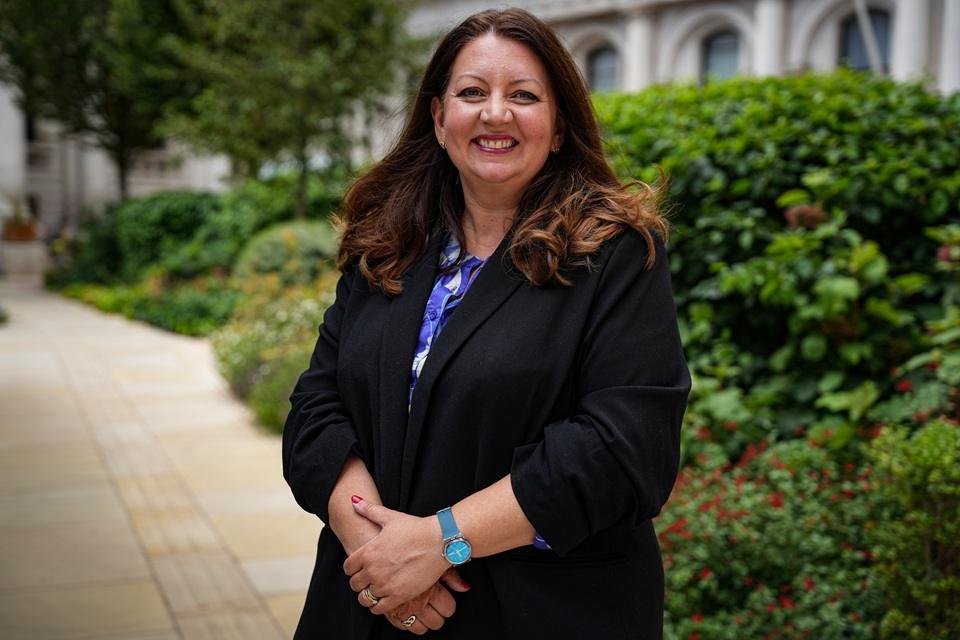
Now, I invite you to envision yourselves not in SOAS, but in the Bilston Miners Welfare and Social Club, situated in a former mining village just outside Edinburgh, in Midlothian, where I take pride in serving as the local MP.
My acquaintance Ross is a club committee member who played a vital role in saving the establishment during a challenging financial period, a plight that many community clubs often face. What motivated him to take action?
There are numerous reasons, but let me highlight a couple. Firstly, the club boasts what the local line-dancing troupe will attest to as the best dance floor in southern Scotland. This venue is a hub for significant life events, from weddings to wakes, and milestone birthdays. It is a space where cherished memories are created.
Secondly, the club represents the last bastion of community gathering; the local pub and pavilion have vanished, leaving the club as the sole space where neighbours can transition from mere acquaintances to true companions in the spirit of community.
Ross is now a dedicated member of the club and actively participates in the bowls league. He embodies the spirit of someone you would want in your neighbourhood—someone who actively contributes when needed.
Yet, Ross’s commitment extends far beyond Bilston. He works for Sightsavers, advocating for the rights of disabled individuals who reside thousands of miles away from Midlothian.
Recognising Our Global Interconnectedness
I believe that Ross’s dedication is not unique. When I first began dating my husband, he accompanied my father to church to understand how the Church of Scotland had influenced my upbringing. His religious background was surprising to him; he did not realise until we met that he had been raised Catholic.
During the service, he was curious about the prayers of intercession, especially how they transitioned from specific local concerns to global issues within moments. The reality is that this has always been the norm for me, but it resonated profoundly when I worked at Save the Children during the pandemic.
Recently, I had the opportunity to visit Ethiopia, where I encountered a Red Cross film featuring local volunteers. One volunteer articulated a sentiment that resonated deeply: “To give your time, your energy, to people you might not know. Just because they are human too.” This idea encapsulates why Ross dedicates his time to both his local club and the plight of those he may never meet.
The same principle applies to faith communities across the UK, which split their prayers between congregation members and those they will never encounter. It is also why I divide my efforts between advocating for my constituency and striving for global change.
Universal Challenges Demand Collective Action
During my time at Save the Children, I realised that the challenges we face in the 2020s are universal but far from uniform. Consider climate change, for instance.
When I visited Ethiopia’s Afar region, I challenge anyone sceptical of climate change to experience the scorching 43-degree heat while witnessing families whose livelihoods have been ravaged by drought, waiting for aid to ensure their children’s survival. Conversely, I also challenge them to visit regions like Makerfield or Stourbridge, where people have suffered from floods or fires, and tell them that these are merely the costs of our fossil fuel dependency.
Job insecurity is another global issue. Workers in precarious employment exist worldwide, from garment factories in developing nations to individuals on zero-hours contracts in the UK. Regardless of geographical location, many individuals lack the safeguards needed to ensure fair compensation for their labour.
The same holds true for violence against women and girls, with one in three women globally falling victim to gender-based violence. It is likely that survivors are present in this room and in every space we occupy this week.
Embracing a New Narrative
While I do not suggest that these experiences carry the same weight everywhere, I believe the underlying concerns are universally shared. We all understand the anxiety surrounding our homes, families, and safety. Even if we have not personally experienced these hardships, we likely know someone who has. Thus, when we learn of such struggles faced by others, it resonates with us because they, too, are human.
This idea is not new; John Donne articulated it in 1624 when he wrote, “Any man’s death diminishes me, for I am involved in mankind. Therefore, never send to know for whom the bell tolls; it tolls for thee.” Today, this notion holds renewed significance as we navigate the complexities of our time.
My initial assertion is that the UK possesses remarkable diplomatic, developmental, and humanitarian capabilities, which we must deploy in service of our values. While we remain firmly committed to advancing our national interest, we must also acknowledge that our collective well-being is intertwined.
Fostering Global Partnerships
Consider the Horn of Africa; we collaborate with partners to fortify maritime security, recognising that disruptions to key shipping routes have far-reaching consequences. These challenges affect global trade, supply chains, and ultimately impact our weekend grocery shopping.
Moreover, our new Growth Partnership with Ghana exemplifies this approach. Ghanaian garment manufacturers now supply school uniforms to ASDA George in the UK, creating hundreds of jobs—predominantly for women—while also easing financial burdens on British parents.
We are unapologetic in our pursuit of agreements that enhance the safety and prosperity of the British populace. However, we are equally committed to our humanitarian responsibilities simply because we share a common humanity.
When we witnessed the devastating aftermath of the earthquake in Nepal, we did not question who the bell tolled for; we instinctively understood. Similarly, we are acutely aware of the dire situation in Sudan, and in the coming weeks and months, we will communicate our intentions to preserve life and prevent further atrocities.
Humanity at the Heart of Foreign Policy
During my visit to Ethiopia, I encountered a mobile health clinic, allowing local pastoralists to access healthcare without enduring lengthy treks. Hearing the cries of children receiving vaccinations and the heartbeat of an expectant mother during an ultrasound reaffirmed the value of life and the privilege of supporting healthcare professionals.
When the Foreign Secretary asserts that climate and development are now central to British foreign policy, he speaks with conviction. Our commitment to the two-state solution in Israel and Palestine stems from an understanding that this is a moral emergency, and when we discuss international humanitarian law, it is with the intent to protect civilians, not for any ulterior motive.
Our mission at the Foreign, Commonwealth & Development Office (FCDO) is to combat poverty and transform lives. The essays shared by parliamentary colleagues in today’s collection will serve as a valuable guide as we move forward. While they may not all reflect current government policy, they represent crucial contributions to our ongoing work.
Reimagining Global Development
My second point may be more challenging to digest, as it involves a fundamental shift in how we conceptualise and articulate our global endeavours. For many in this room, the concept of “international development” is integral to our identity. However, it may be time to reconsider this terminology, a rather unconventional stance for a newly appointed minister for development.
Historically, many of us have framed our work not as charity but as a moral imperative, which has successfully galvanised global concern against evident injustices—such as the burdens placed on impoverished countries and exploitative trade practices.
Yet, the narrative of a wealthy world exploiting a poorer one has become outdated. Fifty countries have graduated from aid, power dynamics are shifting, and competition among states is intensifying.
Shifting Towards Cooperative Frameworks
It is crucial that we adopt a new perspective on our collective efforts. This desire for change is particularly pronounced in Africa, where my predecessor, Baroness Chapman, initiated the UK’s new Africa Approach. Leaders across the continent have expressed a desire for candid discussions about shared interests rather than one-sided dialogues.
This understanding



More Stories
New Recruitment Drive Draws Inspiration from Officers’ Real-Life Experiences
Transforming Spaces for Active Living by 2026: A Vision for Healthier Communities
UK and Philippines Strengthen Ties with Joint Economic and Trade Committee Announcement