

Pedro Garcia reflects on complex trauma, shame, identity and the ways our experiences influence who we believe we need to be.
Some experiences change the way we see the world. Others gradually influence how we see ourselves, sometimes without us even noticing.
For London-based counsellor Pedro Garcia, this is one of the things he finds most interesting about working with complex trauma. And his understanding isn’t based on professional experience alone.
Pedro has lived with trauma himself and started counselling when he was young. Those experiences have influenced the questions he brings into his work today, particularly his curiosity about how we learn to understand ourselves and the ways we adapt to difficult circumstances.
The resilience we don’t always recognise
One of the things that has surprised Pedro most throughout his counselling work is how much we can carry for years without recognising the impact it’s having on us.
“Sometimes people come to counselling wanting to become more resilient, to be stronger, or to become a better version of themselves. And I find myself questioning that a little. Because when you listen to what they’ve been through, you realise that they’ve already been incredibly resilient.”
We often associate resilience with overcoming difficulties and becoming stronger. But what happens when being strong has already meant years of adapting, managing difficult relationships, anticipating problems or simply getting through everyday life?
Pedro is particularly interested in how easily we can become accustomed to our own suffering.
When anxiety, self-doubt or the expectation that something might go wrong has been part of our experience for years, it isn’t always easy to imagine that life could feel different.
“For me, one of the most meaningful moments in this work is when someone begins to look at themselves with a little less judgement.”
Sometimes that begins with recognising how much we’ve already been carrying.
When survival becomes part of our personality
Complex trauma can arise from prolonged or repeated experiences of threat, abuse or neglect, particularly when there has been little opportunity to escape or find support. These experiences can influence how we understand ourselves, relate to others and respond to everyday situations.
But Pedro is especially curious about something less obvious: the relationship between survival and identity.
“Sometimes survival takes so much of our attention that discovering our preferences, interests or needs becomes secondary. Eventually, those adaptations can become so familiar that we experience them as part of our personality.”
Someone might describe themselves as easy-going, always happy to accommodate others. Perhaps they genuinely enjoy being flexible. But perhaps expressing a different opinion once brought conflict, criticism or rejection, and being agreeable became a way of protecting themselves.
Neither explanation can be assumed simply by looking at someone’s behaviour.
What matters is how that person experiences it. Do they know what they want but feel uncomfortable expressing it? Does disagreeing bring unexpected anxiety? Do they feel guilty about having needs of their own?
Sometimes those feelings contain information worth exploring.
The same curiosity applies to qualities such as independence, perfectionism or being particularly sensitive to other people’s moods. They may be genuine strengths, while also having developed in circumstances where those responses served an important purpose.
And that raises another question: even when something once helped us survive, do we necessarily want to continue living in exactly the same way?
The things we learn to believe about ourselves
Shame is another important part of Pedro’s work, particularly the way it can become embedded in our everyday language.
He pays close attention when someone describes themselves as weak, too sensitive, not good enough or constantly making mistakes.
“And something I find fascinating is how much judgement we can carry in the language we use about ourselves, sometimes without even noticing it.”
Rather than immediately challenging those beliefs, he might ask where they come from, or whose voice they resemble.
People can spend years trying to improve themselves through the very criticism and pressure they’ve experienced in the past.
Perhaps someone has worked extraordinarily hard to become more confident, less emotional or more successful, without ever questioning why they believe they are inadequate in the first place.
“Because there’s a difference between recognising that something isn’t working for you and concluding that you are the problem.”
It’s a distinction that can change the direction of a conversation.
What it feels like to be understood
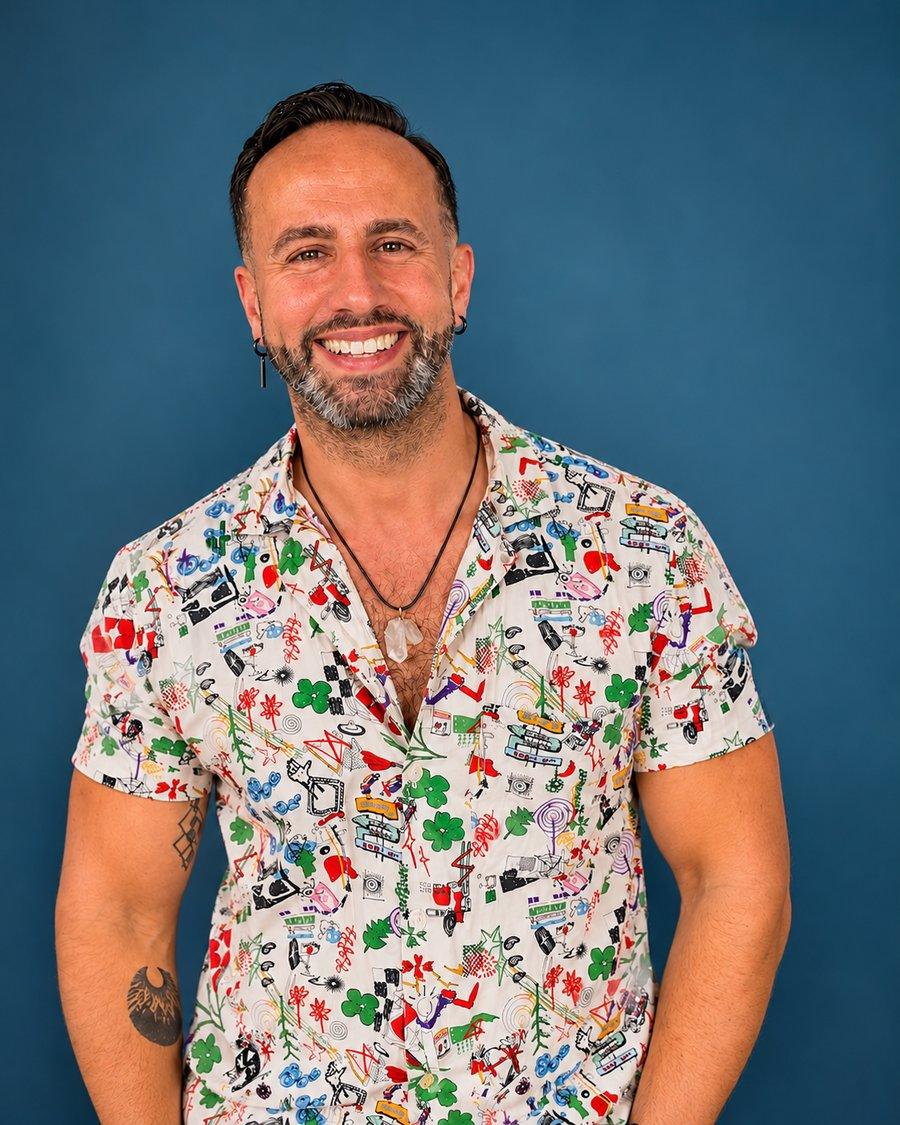
Pedro’s approach to counselling has also been influenced by his experiences as a client.
He began counselling when he was young, and not all of those early experiences were helpful.
“Some of my early experiences left me feeling very small, as though I was sitting opposite someone who was more interested in telling me what was wrong than understanding what I was going through.”
Later, he encountered professionals who offered something very different.
“It was very different when I eventually found professionals who made me feel genuinely seen. I remember feeling that I finally had an ally.”
That experience helps explain why curiosity, kindness and compassion are so central to his work today.
For Pedro, they aren’t simply reassuring words. They influence what happens between counsellor and client.
When he offers an observation, he checks whether it resonates. When he notices a change in someone’s expression or tone, he asks rather than assumes. And when a client disagrees with him, that disagreement is welcome.
“I think that’s important because I’m not there to tell people what their experiences mean. I can offer my professional knowledge, my observations and my understanding, but the client is the person who has lived those experiences.”
There’s also something important about not rushing to make difficult feelings disappear.
Sometimes compassion means remaining present with someone’s sadness, frustration or shame, without immediately trying to correct or resolve it.
And if a counsellor gets something wrong, acknowledging that matters too.
Perhaps part of what makes a therapeutic relationship meaningful is discovering that we can express a need, disagree or bring something uncomfortable into the room without feeling we have to become more acceptable to the person sitting opposite us.
Culture, identity and belonging
Our understanding of ourselves doesn’t develop in isolation.
Family expectations, cultural values, social attitudes and the communities we grow up in all influence what we learn about who we should be.
Pedro considers this particularly important when working with LGBTQIA+ people, neurodivergent people and people from different cultural backgrounds.
“What makes someone a good son or daughter? What does it mean to be successful? Which emotions are acceptable to express? And what happens when your identity doesn’t fit with what other people expect of you?”
Sometimes shame isn’t simply connected with an individual experience. It can also reflect the expectations we’ve absorbed from the environments in which we grew up.
Originally from Barcelona and now based in London, Pedro offers counselling in English and Spanish. His experience of living between cultures adds another dimension to his interest in how people understand themselves.
Language can influence how someone approaches difficult experiences. For some, speaking in their first language brings a greater sense of emotional connection. For others, expressing something painful in a second language can provide a little distance.
Neither is necessarily better.
Cultural differences can also become part of the therapeutic relationship when both people are speaking English.
Some British clients may deliberately choose a counsellor from a different cultural background. They might have personal connections with another culture, value a different perspective or simply feel comfortable with someone whose experiences aren’t identical to their own.
For someone who has moved between countries, working with a counsellor who understands something of the experience of migration may also be meaningful, even when their backgrounds are different.
These differences can open up interesting conversations. Something taken for granted in one cultural setting might become a subject of curiosity in another.
But cultural difference doesn’t automatically create understanding, just as sharing a culture doesn’t guarantee it.
What matters is remaining curious about the individual and being willing to examine our own assumptions.
For Pedro, diversity-aware and anti-oppressive counselling means recognising how personal experiences are shaped by social expectations, inequalities and the environments in which people have learnt to understand themselves.
Who did you need to become?
The question at the centre of this article reflects something Pedro keeps noticing in his work.
People sometimes describe the ways they learnt to protect themselves as simply who they are.
And he wonders how much choice they had at the time.
Someone might have become fiercely independent because asking for help wasn’t an option. Someone else might have become particularly good at recognising changes in other people’s moods because anticipating those changes helped them feel safer.
Years later, those qualities may feel inseparable from their identity.
But does understanding how something developed mean we need to reject it?
Pedro doesn’t think so.
“I’m not suggesting those qualities aren’t real, or that there’s some perfect version of ourselves hidden underneath our experiences. Actually, that idea makes me a little uncomfortable.”
Perhaps the possibility isn’t to become someone else, but to understand the person we’ve become and recognise that we may now have more choices.
This is something Pedro also recognises in his own recovery.
“I’ve lived with trauma, and one thing I’ve gradually developed is more trust in my own judgement.”
It hasn’t meant that difficult feelings have disappeared.
“Fear and anxiety haven’t disappeared, but those voices in the background aren’t always as loud as they used to be.”
There’s more room to recognise what we want, question old expectations, ask for support or make decisions without automatically doubting ourselves.
Perhaps that’s an important distinction when we talk about recovery. It doesn’t necessarily mean leaving our experiences behind or becoming someone entirely new.
As Pedro puts it:
“Perhaps we don’t need to become a completely different person. Perhaps we need more freedom to decide how we want to live as the person we already are.”
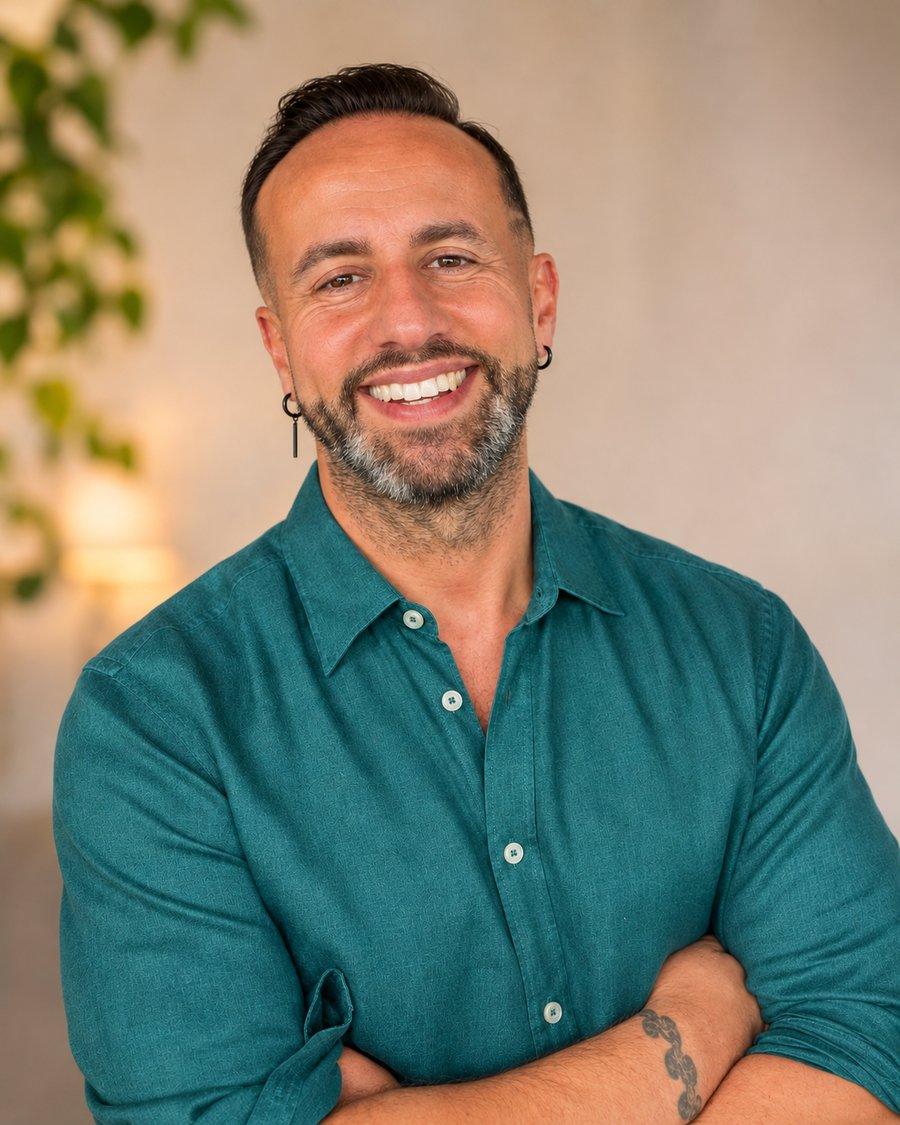
About Pedro Garcia
Pedro Garcia is a BACP-registered counsellor offering inclusive, trauma-informed counselling in English and Spanish. His practice explores complex trauma, anxiety, shame, relationships, identity and life transitions, including work with people affected by childhood sexual abuse.
He sees clients face-to-face in Greenwich and London Bridge, and online throughout the UK.
Website: pedrogarciacounselling.co.uk
Address: 2 Union Street, London SE1 1SZ




More Stories
British Airways’ Parent Company Warns Burnham: Heathrow’s Third Runway is ‘Doomed to Failure’
‘How My Guide Dog Became My Ultimate Wingman While Navigating Blindness in the Dating World’
Declining London Flat Prices Prompt Landlords to Re-enter the Market