
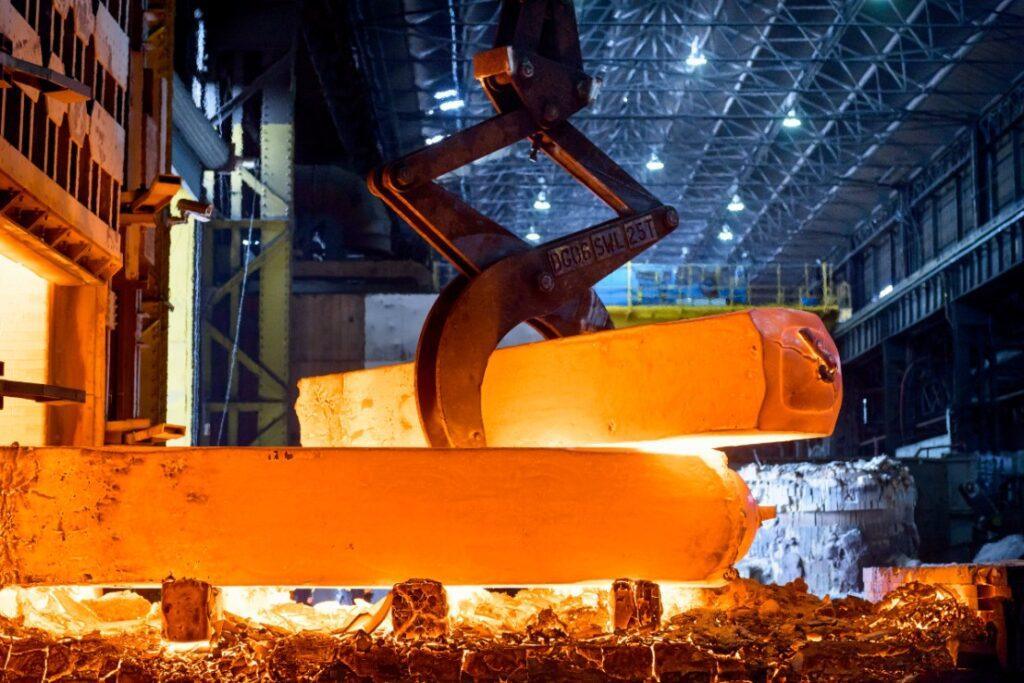
The UK government is preparing to nationalise the country’s third-largest steelworks, following unsuccessful negotiations aimed at securing a private buyer. This significant move comes after extensive discussions over several months, during which various potential buyers were considered but ultimately none materialised.
Implications of Nationalisation for the Steel Industry
The decision to take the steelworks into public ownership has raised questions about the future direction of the UK steel industry. With the manufacturing sector under increasing strain due to rising energy costs and international competition, the government’s intervention could signal a commitment to stabilising and revitalising this crucial industry. Nationalising the steelworks may also enable greater investment in infrastructure and technology, potentially enhancing productivity and sustainability.
Industry analysts suggest that public ownership could provide a more stable environment for workers and suppliers, as the government may prioritise job security and local economic interests over short-term profit margins. However, some critics argue that nationalisation might lead to inefficiencies typically associated with state-run enterprises, and there are concerns about the long-term financial implications for taxpayers.
Political Reactions and Future Prospects
The political response to this potential nationalisation has been mixed. Supporters argue that it is a necessary step to safeguard jobs and maintain the UK’s industrial capacity, particularly in the context of global supply chain challenges. Conversely, opponents contend that the government should focus on creating conditions that encourage private investment rather than taking ownership of failing businesses.
As discussions progress, the government is expected to outline its strategy for the steelworks, detailing how it plans to manage the operation and what support will be provided to the workforce. The outcome of this initiative could have lasting repercussions for the steel industry and the broader manufacturing sector in the UK.
Broader Context of UK Manufacturing Challenges
This move comes against a backdrop of significant challenges for UK manufacturing overall. Companies across various sectors are grappling with rising material costs, supply chain disruptions, and the ongoing impacts of Brexit. The steel industry, in particular, has faced pressure from cheaper imports and stringent environmental regulations, which have complicated efforts to remain competitive.
In light of these challenges, the government’s intervention may be seen as a critical step in re-establishing a robust manufacturing base. Observers will be keen to see how the nationalisation is implemented and whether it can lead to a renaissance in the UK’s steel sector.




More Stories
Midday Markets: Is the UK Economy Making a Comeback?
Healey’s £1 Billion London Office Raid: A Threat to Economic Growth
Culture Secretary Lisa Nandy Considers Intervention in Sky’s Acquisition of ITV