
Understanding Insulin Resistance
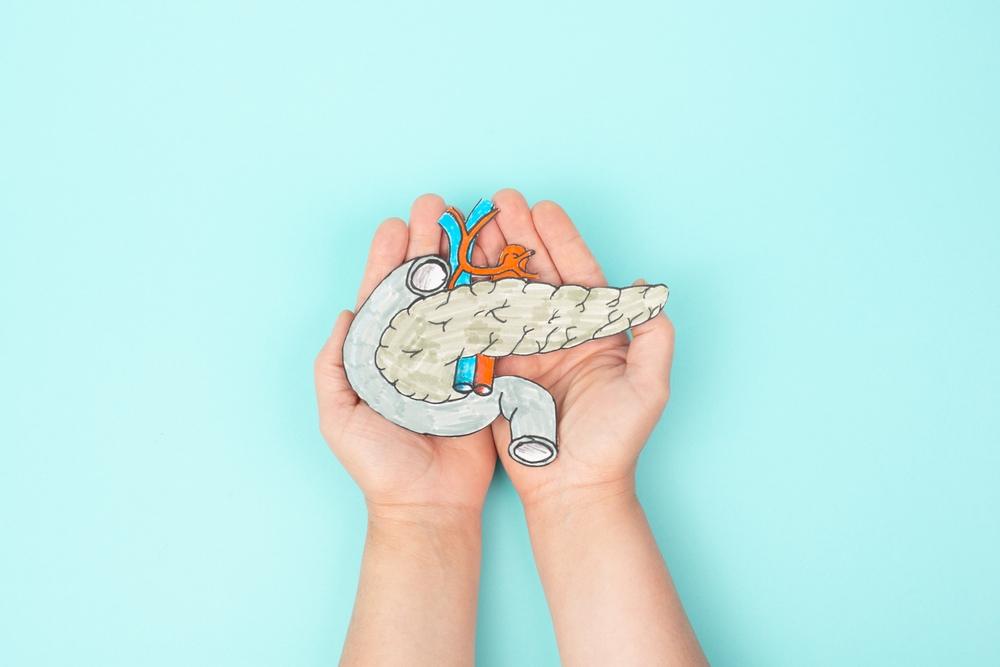
Insulin resistance arises when the body’s cells exhibit a diminished response to insulin, the hormone responsible for regulating blood sugar levels. This hormone is produced by the pancreas and plays a crucial role in facilitating the movement of glucose from the bloodstream into muscle and fat cells, where it is converted into energy.
When cells become less responsive to insulin, the pancreas compensates by producing higher amounts of insulin to maintain normal blood sugar levels. Initially, this adaptation may keep blood sugar levels within a normal range, even in the presence of insulin resistance. However, as time progresses, the pancreas may struggle to produce sufficient insulin, leading to elevated blood sugar levels and potentially resulting in various health conditions.
Links to Other Health Conditions
The accumulation of excess body fat, particularly visceral fat surrounding the abdomen, is closely linked to insulin resistance. This fat can infiltrate the liver and muscles, impeding the effective functioning of insulin. Additionally, a sedentary lifestyle and decreased muscle mass can exacerbate insulin sensitivity issues, while regular physical activity enhances the muscles’ ability to utilise glucose efficiently.
It is essential to recognise that insulin resistance is not solely a product of poor lifestyle choices; rather, it is the result of a complex interplay between biological factors and environmental influences. This understanding is crucial as insulin resistance is associated with various conditions, including type 2 diabetes, fatty liver disease, cardiovascular disease, and polycystic ovary syndrome (PCOS).
The Cycle of Insulin Resistance
As body fat increases, dysfunctional fat cells become increasingly incapable of storing excess energy, leading to the release of more fatty acids and inflammatory signals into the bloodstream. This process further exacerbates insulin resistance in the liver and muscles, creating a self-reinforcing cycle. In this scenario, the insulin-resistant fat tissue continues to release fatty acids, which accumulate elsewhere in the body, thereby disrupting insulin signalling even further.
Type 2 diabetes manifests when the pancreas can no longer produce the necessary insulin to compensate for the body’s diminished response. While insulin resistance is a key factor in this progression, it is important to note that not everyone with insulin resistance will inevitably develop type 2 diabetes. The capacity of the insulin-producing cells to keep up with demand plays a significant role, and there are various strategies available to delay or prevent this progression.
Metabolic Impacts of Insulin Resistance
Insulin resistance can also lead to conditions such as metabolic dysfunction-associated steatotic liver disease (MASLD), previously termed non-alcoholic fatty liver disease (NAFLD). In this case, excess fat accumulates in the liver, which can result in the liver releasing excessive sugar into the bloodstream and storing additional fat. This cycle can further worsen insulin resistance.
Moreover, insulin resistance is a contributing factor to atherosclerosis, a condition characterised by the hardening and narrowing of blood vessels, which significantly increases the risk of cardiovascular disease. However, it is important to acknowledge that cardiovascular risk is influenced by several factors, including age, smoking habits, cholesterol levels, kidney health, and family history.
Insulin Resistance and PCOS
In women, insulin resistance can also contribute to the symptoms of polycystic ovary syndrome (PCOS), including irregular menstrual cycles, difficulty ovulating, acne, and excessive hair growth. The relationship between PCOS and insulin resistance is reciprocal; insulin resistance can lead to increased abdominal fat, which in turn exacerbates insulin resistance.
Healthcare professionals typically assess insulin resistance using a combination of blood tests, medical history, and other relevant factors, including blood sugar levels, blood pressure, and waist circumference. Common tests include those that measure blood sugar response and fasting insulin levels, although these may not always provide a definitive diagnosis in the early stages of insulin resistance.
Improving Insulin Sensitivity
Fortunately, insulin resistance can be improved through lifestyle changes that promote metabolic health. Engaging in regular physical activity enhances the muscles’ ability to absorb glucose from the bloodstream, thereby aiding in blood sugar regulation. Both aerobic exercises and strength training can yield significant benefits, even if an individual’s weight remains stable. However, reducing excess body fat can further enhance insulin sensitivity for many people.
Adopting a balanced diet that limits sugary foods and beverages, particularly those high in calories but low in nutrients, is also crucial. It is advisable to avoid overly restrictive diets that eliminate entire food groups and to seek guidance from qualified professionals when uncertain about dietary choices.
The Role of Sleep and Medication
Sleep quality plays a significant role in insulin resistance, as disrupted sleep can negatively impact hormones responsible for blood sugar control. Conditions that affect sleep, such as snoring or frequent awakenings, should be addressed with a healthcare professional, as improving sleep can enhance insulin sensitivity and overall metabolic health.
In some cases, medications may be employed to manage insulin resistance effectively. These can assist in improving blood sugar control and, in certain situations, support weight loss. Such treatments are commonly prescribed for individuals with type 2 diabetes and may also be beneficial for those at high risk of developing the condition or exhibiting specific metabolic features associated with PCOS.
Conclusion
Insulin resistance is a complex condition that necessitates a comprehensive understanding of its causes, symptoms, and associations with various health issues. With appropriate lifestyle adjustments and medical support, it is possible to improve insulin sensitivity and enhance overall health, benefiting individuals even without significant weight loss.




More Stories
Uncovering the Long-Term Effects of Flooding and Coastal Change on Communities
2025 Report: Understanding Radioactivity Levels in Food and the Environment
Is ‘Male Menopause’ a Genuine Phenomenon? Unpacking the Truth Behind Andropause