
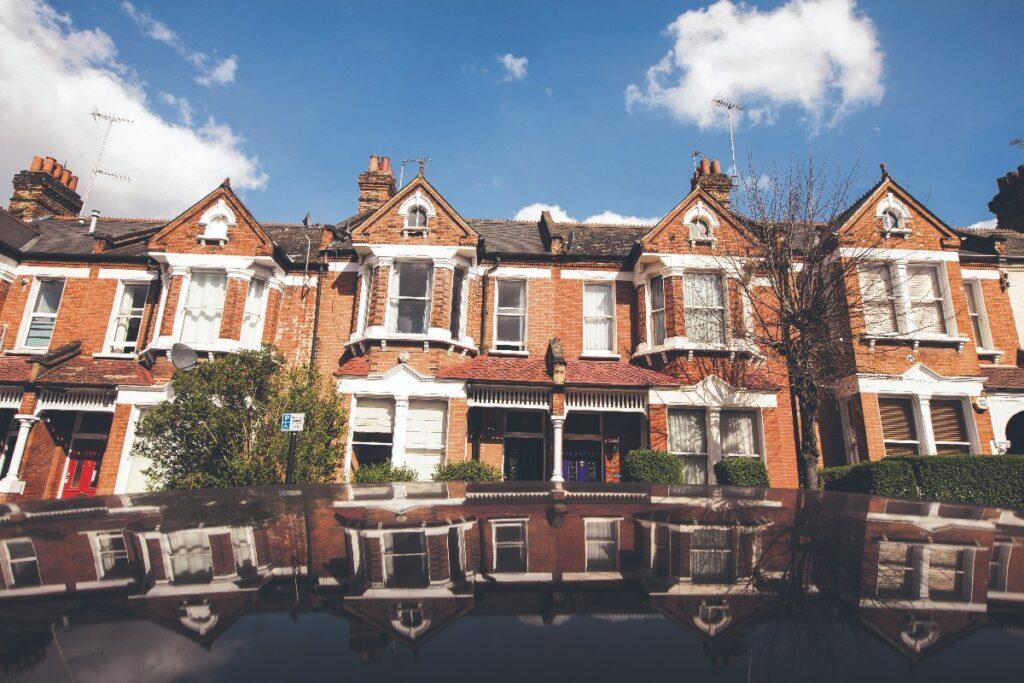
John Healey has firmly dismissed the idea of extending Labour’s proposed mansion tax to encompass properties valued at £1.5 million, a decision likely to be welcomed by homeowners in London. This announcement reflects a strategic choice by the Labour Party to focus on higher-value properties, thereby avoiding potential discontent among a broader base of homeowners.
Impact on Homeowners in London
The clarification from Healey comes at a time when housing affordability remains a poignant issue in the capital. By excluding homes worth £1.5 million from the mansion tax, Labour aims to alleviate some pressure on middle-class homeowners who may feel disproportionately affected by such levies. This move seems designed to bolster support within a demographic that has been increasingly concerned about rising taxes and living costs.
In recent times, discussions surrounding property taxes have intensified, particularly as the government seeks new revenue streams amidst economic challenges. The mansion tax has been a contentious topic, sparking debates about fairness and the implications for the housing market. Healey’s announcement indicates a willingness to refine their fiscal policies in a manner that resonates with potential voters.
Refining Fiscal Policies for Voter Appeal
Healey’s stance is a clear signal of Labour’s intent to navigate the complexities of property taxation while aiming to maintain support among key voter groups. By focusing on properties that exceed the £1.5 million threshold, Labour appears to be targeting wealthier segments of the population, potentially leading to a more palatable tax structure for those in the more modest brackets.
This strategic decision could have significant ramifications for Labour’s positioning in the upcoming elections, particularly in urban areas where property values have skyrocketed. As the party continues to refine its policies, the emphasis on appealing to a wider audience may prove crucial in securing electoral success.
Future Implications for Housing Policy
As the political landscape evolves, the implications of Healey’s announcement extend beyond immediate tax concerns. It raises questions about the future of housing policy in the UK, especially in a market characterised by stark disparities in property values. The Labour Party’s approach may set a precedent for how future governments handle taxation in relation to real estate.
In the wider context, the decision not to extend the mansion tax might indicate a broader strategy to engage with homeowners, fostering a narrative of support rather than burden. This could have lasting effects on public perception of the party and influence its legislative priorities in the years to come.




More Stories
How Peppa Pig and the Lionesses are Teaming Up to Score Big for Families
Palantir Resolves £50 Million Dispute with Met Police Amid Concerns Over ‘Unlawful’ Bias
Foreign Nationals’ Benefits and Pensions Estimated to Cost £23 Billion: Key Insights