
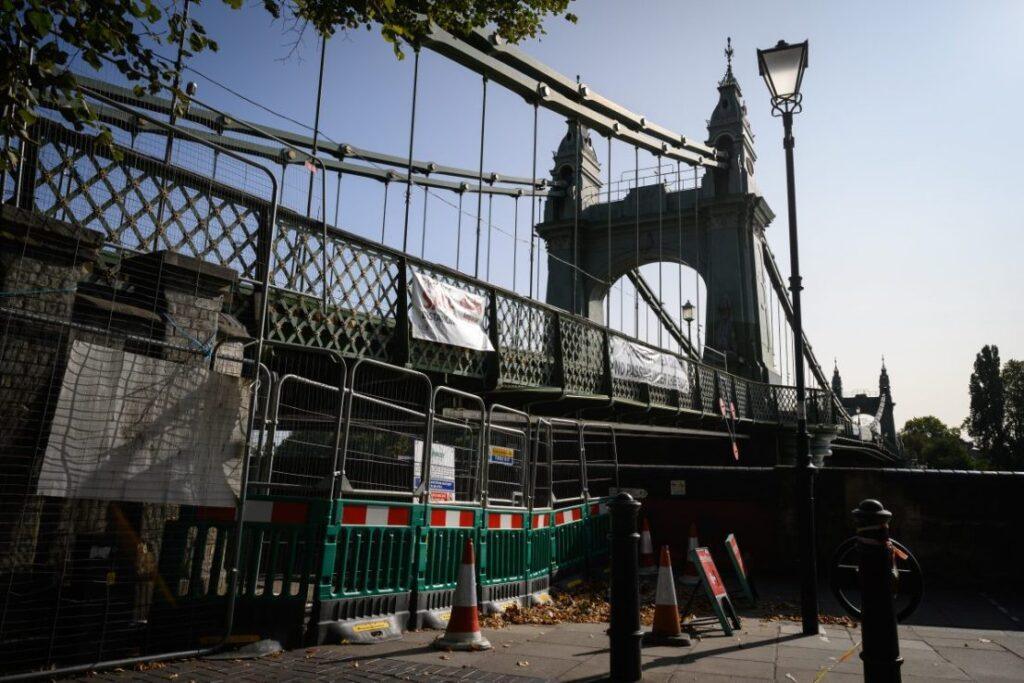
Investing in the reopening of Hammersmith Bridge should not be viewed as preferential treatment for London; rather, it is a pragmatic step that reflects the needs of the community and the importance of connectivity in urban environments. Since its closure in 2021, the bridge has been adorned with fencing, banners, and traffic cones, effectively barring pedestrians from accessing its walkway. This closure has not only disrupted local traffic but has also hindered the connectivity that the bridge provided between various neighbourhoods.
The Impact of Closure on Local Communities
The ramifications of Hammersmith Bridge’s closure extend beyond mere inconvenience. Local businesses have felt the strain as foot traffic dwindles, and residents are forced to seek alternative routes that are often longer and more congested. The bridge was more than just a structural connection; it served as a vital artery for social interactions and economic activity in the area. The prolonged absence of this link has left communities feeling isolated and has raised concerns over the potential long-term effects on local economies.
Moreover, the closure has intensified traffic congestion on surrounding roads, as drivers are diverted to alternative routes. This has led to increased air pollution and noise in local neighbourhoods, raising questions about the sustainability of transport solutions in urban settings. The bridge’s reopening is not merely a restoration of a physical structure; it is essential for reclaiming a balanced and efficient transport network that prioritises the well-being of all residents.
Economic Justification for Investment
Financially, the case for reopening Hammersmith Bridge is compelling. Investing in the bridge is an investment in the local economy. By restoring this essential link, we can reinvigorate local businesses that have suffered during its closure. Furthermore, the increase in pedestrian and vehicular traffic post-reopening could lead to enhanced economic activity, benefiting not just Hammersmith but also the wider region.
Additionally, with the right funding and support, the bridge can be transformed into a modernised structure that accommodates both pedestrians and cyclists, aligning with contemporary urban planning goals that favour sustainable transport solutions. This shift towards inclusivity in transport options can also serve to alleviate some of the congestion issues that have arisen as a result of the bridge’s closure.
Community Support for Reopening Efforts
Public sentiment regarding the reopening of Hammersmith Bridge is overwhelmingly supportive. Local residents and community groups have rallied together, advocating for swift action to restore this vital connection. Their voices reflect a collective understanding that the bridge is not merely a physical structure but a symbol of community cohesion and accessibility.
Moreover, this community-driven approach to reopening the bridge underscores the importance of involving residents in discussions regarding infrastructure projects. Local input can lead to solutions that not only address the immediate needs of the community but also foster a sense of ownership and pride in public spaces.
Conclusion: A Pragmatic Approach to Urban Infrastructure
In conclusion, the funding for reopening Hammersmith Bridge should be viewed through a lens of practicality rather than special pleading. The bridge’s restoration is essential for enhancing the local economy, improving community connectivity, and addressing pressing transport issues. By prioritising this project, we are not only investing in a physical structure but also in the future of our communities and the quality of urban life.



More Stories
Two London Bakers Eliminate Each Other in Great British Bake Off’s Thrilling Bread Week
City Leaders Alert: Healey Bank Tax Increase Could Force Businesses to Leave the UK
Housebuilders Abandon London Amid Labour’s Planning ‘Nightmare’ Crisis