
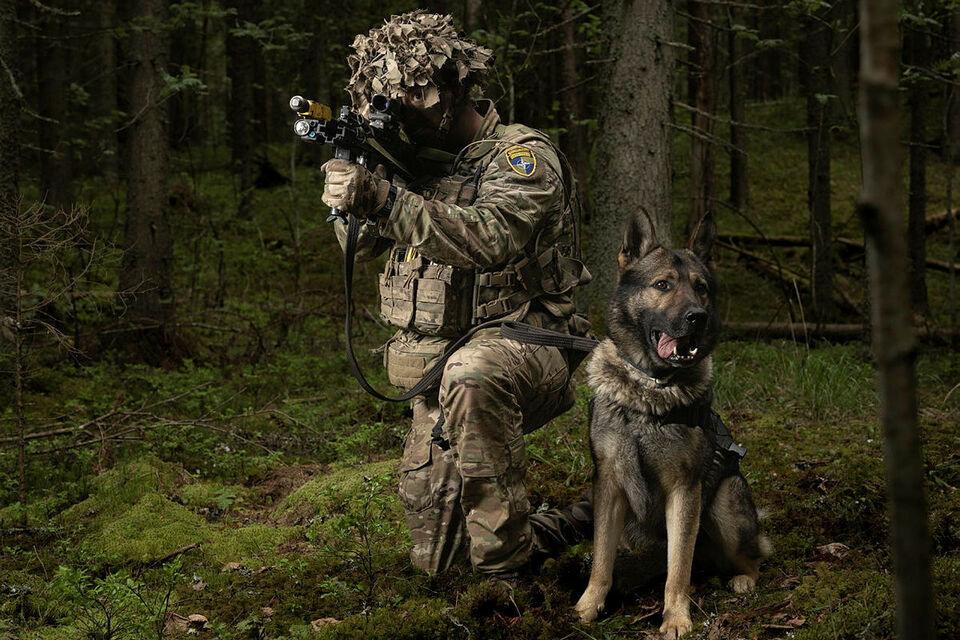
British forces stationed in Estonia are set to undergo a significant transformation, transitioning to a Mobile Anti-Armour Force (MAAF) to effectively address the complexities of contemporary warfare. This strategic shift will see the number of UK troops in Estonia increase from approximately 800 to 1,200, all equipped with state-of-the-art technology.
Strengthening Defence Cooperation
A new defence roadmap, signed by Defence Secretary Dan Jarvis during his recent visit to Tallinn, aims to enhance military collaboration between the UK and Estonia. This agreement is designed to bolster NATO’s eastern flank, ensuring that both nations are better prepared for potential threats. The roadmap outlines a comprehensive approach to cooperation across defence, industry, capability development, and military innovation, thus reinforcing the long-standing partnership between the two countries.
As part of this initiative, the UK Forward Land Forces in Estonia will transition from their current Armoured Battlegroup to a more agile Mobile Anti-Armour Force starting in April 2027. This new force structure is tailored to meet Estonia’s specific operational needs and is a critical component of NATO’s deterrent posture.
Modernising Military Capabilities
The Mobile Anti-Armour Force will be outfitted with advanced vehicles, sophisticated weaponry, and high-tech drones, all designed for rapid mobility and operational effectiveness. This restructuring is informed by lessons learned from recent conflicts, including the war in Ukraine, ensuring that military partnerships are reflective of current combat realities.
Defence Secretary Dan Jarvis emphasised the importance of this enhancement, stating, “We are strengthening our deployment in Estonia to defend NATO territory and deter Russian aggression. This new roadmap reflects the realities of warfare today and shows how we are modernising our forces to meet the threats we face.” He highlighted that the integration of more personnel, improved mobility, and cutting-edge technology will create a more lethal and effective fighting force capable of acting alongside allies.
Logistical Preparedness and Rapid Response
Estonian Defence Minister Hanno Pevkur noted that the arrival of nearly 1,200 British soldiers, equipped with modern weaponry suited to the local environment, underscores the commitment of both nations to shared security. He also mentioned that a British Army brigade will remain on standby in the UK, ready to support Estonia when necessary. Furthermore, the UK will begin pre-positioning equipment and ammunition in Estonia this year, ensuring a swift response in crisis situations.
This decision to augment troop presence is backed by extensive analysis, including detailed wargaming exercises conducted with Estonian forces. Such assessments indicated that the new force design would achieve greater operational effectiveness compared to the existing armoured structure. The enhanced mobility of the new formation will enable quicker responses to threats, while its integrated reconnaissance capabilities will ensure improved situational awareness and combat readiness.
Future Developments and Technological Advancements
The roadmap also outlines plans for further enhancements to the UK’s Forward Land Forces, including upgrades to the Multiple Launch Rocket System, which will become more precise and lethal. The commitment to maintaining Short Range Air Defence capabilities and modernising the force through future rotations will ensure that British troops remain equipped with the latest technologies.
Moreover, the collaboration between the UK and Estonia will extend into emerging technologies and military innovation. A key focus will be on the ASGARD programme, which leverages artificial intelligence and advanced command-and-control systems to improve battlefield digitisation and targeting efficiency.
This renewed commitment solidifies the partnership between the UK and Estonia, reinforcing cooperation through the Joint Expeditionary Force and enhancing regional security in northern Europe. The evolution of the Forward Land Forces will result in a stronger, more capable military presence in Estonia, ready to address the challenges of the future.




More Stories
Recent Weekly Surveillance Data on Winter Viruses in the UK
£2 Million Worth of Counterfeit Weight Loss Pens Seized by MHRA and West Midlands Police
Revamped National Policy Statement Set to Transform UK Ports Strategy