
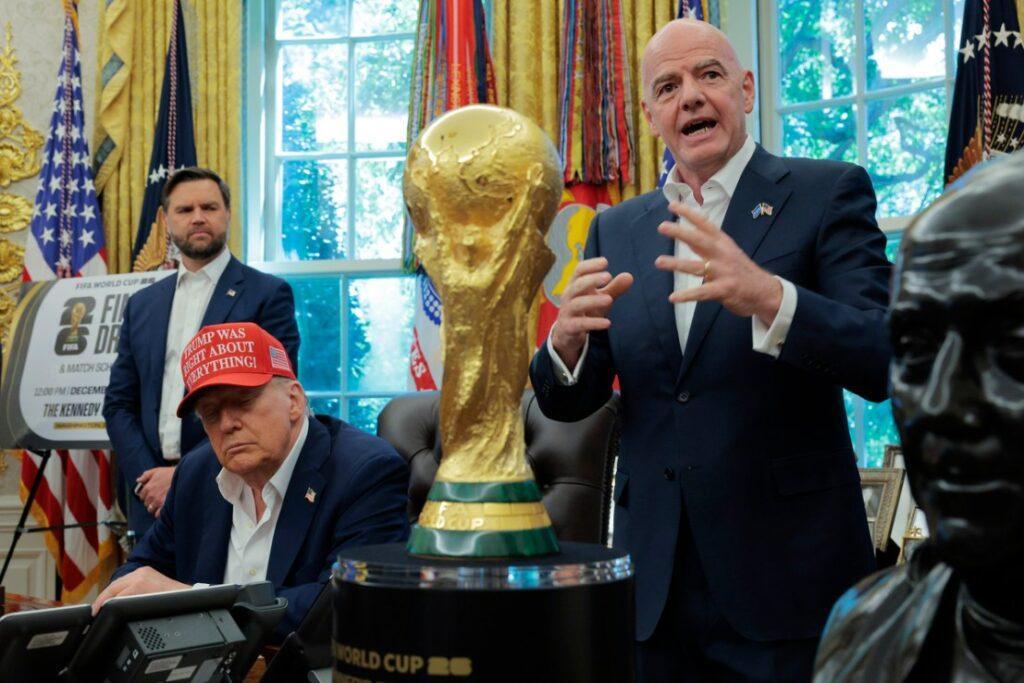
Gianni Infantino, the President of FIFA, is contemplating a bold strategy to sell stakes in the World Cup, a move that could potentially reshape the financial landscape of one of the world’s most prestigious sporting events. This initiative, while controversial, can be framed through both behavioural and commercial lenses that might justify its implementation.
Understanding the Motivations Behind Stake Sales
The proposal to offer equity in the World Cup may stem from a desire to increase revenue streams and attract investment. In an era where sporting events are not only competitions but also significant commercial enterprises, the prospect of selling stakes presents an opportunity to tap into new financial resources. Investors could potentially benefit from the lucrative returns derived from broadcasting rights, sponsorship deals, and merchandising, all of which are integral to the World Cup’s financial ecosystem.
Moreover, the involvement of private stakeholders could lead to innovative approaches to marketing and event management, enhancing the overall experience for fans and participants alike. This shift towards a more commercialised model could be seen as an evolution of the sporting world, where financial viability becomes as crucial as athletic excellence.
Potential Benefits for Global Football
From a behavioural perspective, introducing external investors into the World Cup could foster a sense of global community and shared responsibility for the event’s success. Stakeholders who have a vested interest in the tournament may be more inclined to advocate for sustainable practices and community engagement, recognising that their returns depend on the event’s reputation and legacy.
This collaborative approach may also encourage a more diverse range of voices in the decision-making processes, leading to fresh ideas and perspectives that could enhance the event. The involvement of various stakeholders could help FIFA navigate the complex landscape of modern sports, where fan engagement and technological integration are paramount.
Addressing Concerns and Challenges
Despite the potential advantages, the idea of selling stakes in the World Cup is not without its detractors. Critics may argue that commercialising such a revered event could undermine its integrity and tradition, turning a beloved competition into a profit-driven enterprise. Furthermore, there are concerns regarding the impact on smaller football associations and the potential disparity in resources between established and emerging football nations.
To mitigate these concerns, FIFA would need to ensure that any financial arrangements are equitable and transparent. Establishing clear guidelines and protections for all stakeholders would be crucial in maintaining the spirit of the World Cup while also embracing a more commercial approach. This balance between tradition and modernisation will be key to the success of Infantino’s proposal.
The Future of World Cup Financing
As the conversation around the future of the World Cup continues to evolve, Infantino’s proposal may set a precedent for how major sporting events are funded and managed. If executed thoughtfully, this initiative could not only bolster FIFA’s finances but also enhance the global appeal of football, ensuring that the World Cup remains a pinnacle of sporting achievement for generations to come.




More Stories
Barts North Wing: A Contender for the Prestigious Toast Award
Watchdog Issues Caution: Invest with AI at Your Own Risk
Notting Hill Carnival Becomes Unaffordable for Londoners: A Cultural Event at Risk