
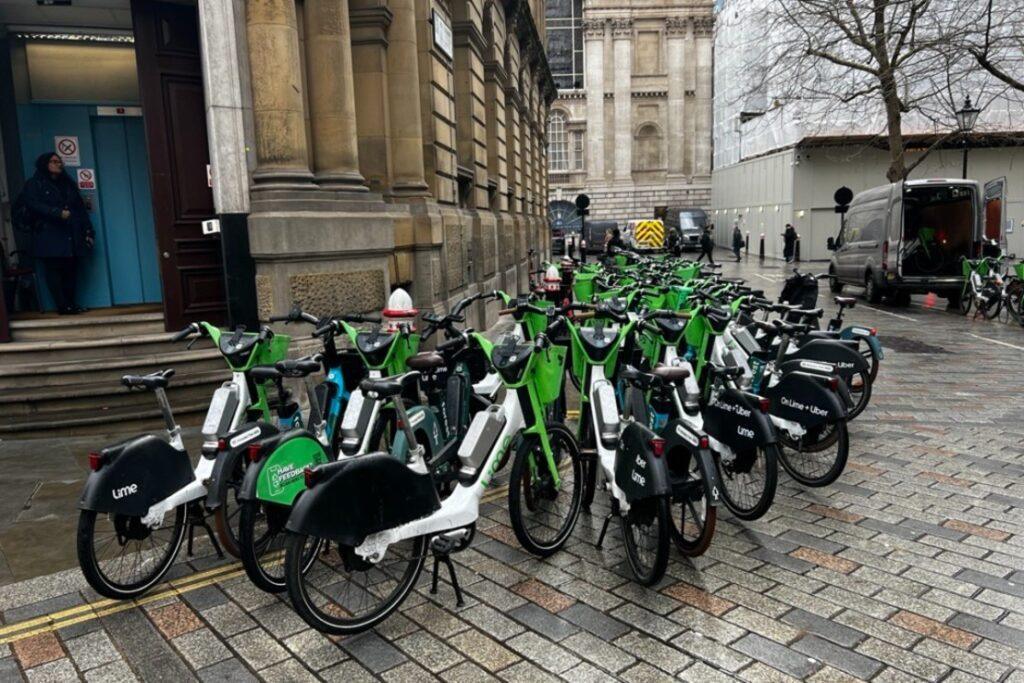
Local authorities in London facing financial pressures are implementing significant fee increases and stricter enforcement measures on electric bike operators, according to recent insights. This move underscores the ongoing challenges faced by boroughs striving to balance their budgets while managing the growing presence of e-bikes in the capital.
Financial Strain on Boroughs Driving Policy Changes
As London boroughs grapple with budget constraints, many are turning to e-bike operators as a source of revenue. The rising costs associated with permits and operational fees are becoming a burden for these companies, who are already contending with fluctuating demand and increased competition in the micro-mobility sector. The changes aim not only to generate additional funds but also to regulate the burgeoning e-bike market more effectively.
Operators have reported that the escalating fees have made it increasingly difficult to maintain competitive pricing for their services. As boroughs impose higher charges, the question arises as to whether these costs will ultimately be passed on to consumers, potentially discouraging the use of environmentally friendly transport options.
Impact on E-Bike Operators and Riders
The new financial landscape poses significant challenges for e-bike providers. Operators are faced with the prospect of either absorbing the costs, which could impact their bottom line, or increasing prices for customers, which could deter users from choosing e-bikes over other forms of transport. This could result in a decline in e-bike usage, which local authorities have been encouraging as part of their sustainability initiatives.
Additionally, the enforcement charges being introduced may lead to stricter regulations regarding where e-bikes can be parked and how they are maintained. Operators must now navigate this complex regulatory environment, which adds another layer of operational difficulty. Riders, in turn, may find themselves facing new restrictions that could limit their experience.
The Future of E-Bikes in London
As the situation evolves, stakeholders from both the public and private sectors will need to engage in discussions aimed at finding a balanced approach. Ensuring that e-bikes remain an accessible and attractive mode of transport while addressing the financial needs of boroughs is critical. Collaboration between local authorities and e-bike operators will be essential to create a regulatory framework that supports sustainable transport options without stifling innovation or accessibility.
Ultimately, the future of e-bikes in London hangs in the balance as both boroughs and operators navigate these new financial demands. The outcome of this situation could have lasting implications for the micro-mobility landscape in the city, influencing not only how e-bikes are regulated but also how they are perceived by the public.




More Stories
London Property Listings Plummet to Lowest Levels Since 2023
Healey Urged to Reduce Employment Taxes and Energy Costs to Stimulate Business Growth
Retailers on High Alert Amidst Surge in Cyber Attacks