
Couples in England and Wales may soon have the opportunity to marry on their own terms, as the Government has initiated a significant consultation aimed at overhauling wedding legislation for the first time in nearly two centuries. This proposal seeks to simplify the marriage process, making it more affordable and meaningful for couples.
Each year, approximately 470,000 individuals tie the knot in England and Wales, yet the existing wedding laws are rooted in outdated practices that do not reflect contemporary society’s diversity. The proposed changes would prioritise the essence of marriage—people and promises—allowing couples to legally marry in a variety of locations, including scenic spots like forests and beaches, as well as unique venues such as castles, canal boats, and even cruise ships.
Reducing Financial Barriers to Marriage
One of the primary aims of these proposals is to alleviate the financial burden associated with weddings. Currently, the average cost of a wedding in England exceeds £20,000, with venue hire typically accounting for around £6,000. This cost is prohibitive for many, as evidenced by surveys indicating that half of unmarried men and a third of unmarried women cite financial concerns as the reason for not marrying. By expanding the options for wedding venues, the Government hopes to provide couples with more affordable choices while preserving the significance of their commitment.
Deputy Prime Minister and Justice Secretary David Lammy stressed the importance of reforming outdated regulations, stating, “They say you can’t put a price on love – but too often, the cost of weddings puts this commitment out of reach.” He continued by emphasising the need for couples to have the freedom to marry on their own terms while reinforcing safeguards that uphold the meaning and permanence of marriage.
Equal Treatment for All Couples
The current legal framework treats various faiths and belief systems unequally, often forcing couples to choose between a ceremony that aligns with their beliefs and one that provides full legal protection. The proposed reforms aim to rectify this imbalance by establishing a fair and consistent legal structure applicable to all. This would enable couples to design ceremonies that reflect their unique identities, allowing interfaith couples to incorporate elements of both traditions into a single, legally recognised ceremony.
Justice Minister Baroness Levitt KC pointed out that “the institution of marriage is a cornerstone of British life,” and acknowledged that many couples face challenges within the existing legal system. She affirmed that no one should have to compromise their faith, culture, or traditions for the sake of legal recognition, and expressed optimism that the new proposals would eliminate outdated restrictions.
Ensuring Meaningful and Legally Sound Ceremonies
While the reforms aim to grant couples greater freedom, they will also maintain rigorous standards to ensure that weddings remain significant and legally binding. Officiants will be required to meet stringent criteria to conduct ceremonies and will have the authority to assess whether a location is appropriate. Failure to uphold these standards could result in their deauthorisation.
These changes are expected to have a positive economic impact across England and Wales. The Law Commission estimates that a modest 3% increase in wedding ceremonies could generate approximately £139 million in additional annual spending, contributing over £238 million to the UK economy over the next decade.
Industry Support for Proposed Reforms
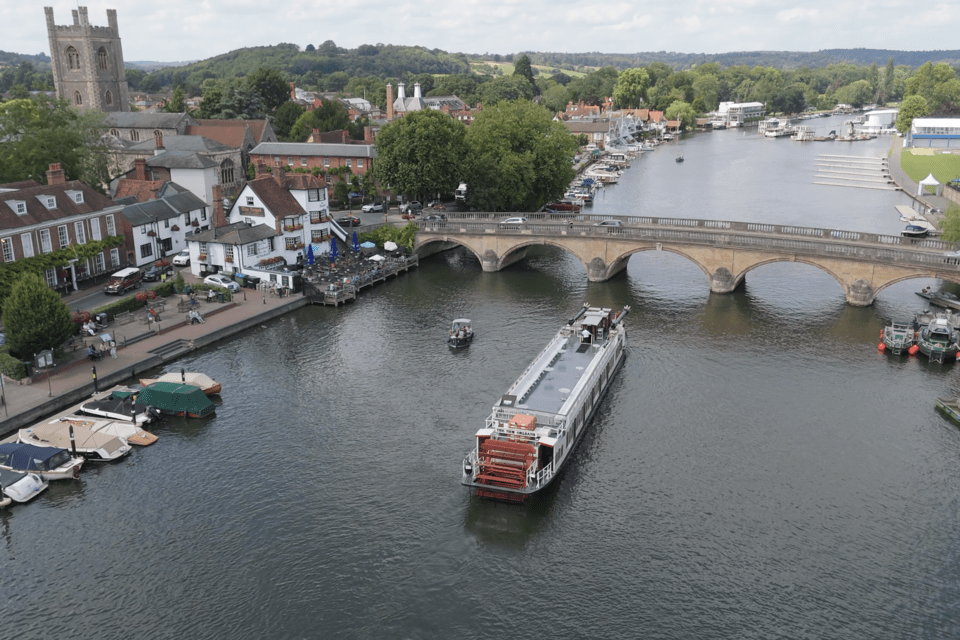
Industry stakeholders have expressed support for these legislative changes. Jonathan Hobbs, Managing Director of Hobbs of Henley, noted that their wedding business has seen a decline over the past two decades due to the demand for venues that offer both the service and reception in one location. He welcomed the proposed reforms, stating that the ability to conduct ceremonies aboard boats would revitalise the Passenger Boat Industry, which has faced challenges amid a difficult hospitality climate.
The consultation period will run from July 16 to September 24, lasting ten weeks. This initiative is a crucial step towards modernising wedding legislation and providing couples with the flexibility they deserve.
For further details about the consultation, please visit the official website.




More Stories
Recent Weekly Surveillance Data on Winter Viruses in the UK
£2 Million Worth of Counterfeit Weight Loss Pens Seized by MHRA and West Midlands Police
Revamped National Policy Statement Set to Transform UK Ports Strategy