
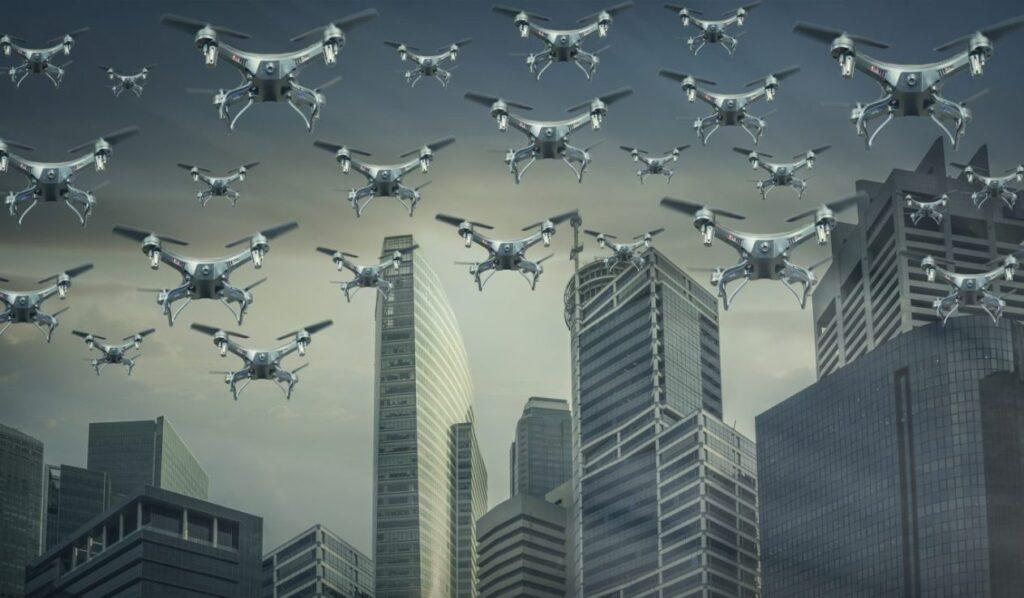
The Rising Threat of AI in Military Applications
Experts have highlighted that the increasing utilisation of artificial intelligence in military operations presents a far more significant challenge to the future of the United Kingdom than the developments in advanced AI models. The implications of integrating AI into warfare are profound and raise critical ethical, strategic, and security concerns that require immediate attention.
The potential for AI to enhance combat capabilities, automate decision-making processes, and conduct operations with minimal human intervention poses a risk of escalation in conflicts. As nations invest heavily in AI technologies for defence purposes, the landscape of modern warfare is rapidly transforming, necessitating a reevaluation of existing military strategies and international norms.
Expert Insights on AI and Security
Simon Hunt, City Editor at a prominent financial publication, has expressed concerns regarding the implications of AI in the military sphere. With a background in business journalism, he has closely followed the economic impacts of such technologies and their potential to reshape global power dynamics. His insights underline the urgent need for policymakers to assess the risks and benefits associated with AI in warfare.
Furthermore, Saskia Koopman, the Tech Reporter for the same publication, has been instrumental in covering the intersection of technology and government policy in the UK. Her analysis extends to the implications of AI on various sectors, including defence, highlighting the rapid advancements in AI technologies on Wall Street and their potential spillover effects into military applications.
The Ethical Dilemmas of AI in Warfare
As AI systems become more sophisticated, ethical dilemmas surrounding their deployment in military operations intensify. Questions arise about accountability, decision-making processes, and the potential for unintended consequences. The prospect of autonomous weapons raises significant moral questions about the role of human judgement in life-and-death situations.
Policymakers are faced with the challenge of establishing guidelines and regulations that can effectively govern the use of AI in military contexts. The balance between leveraging technological advancements for national security and safeguarding ethical standards is delicate and requires careful consideration.
The Future of AI in Defence Strategies
The trajectory of AI development in the military domain is likely to shape future defence strategies significantly. Countries that successfully integrate AI into their armed forces may gain a competitive edge, prompting a new arms race focused on technological superiority. As a result, the UK must navigate this evolving landscape with caution, ensuring that it remains at the forefront of ethical AI development while addressing its security implications.
The discourse surrounding AI in warfare will continue to evolve as advancements in technology progress. Engaging with experts and fostering international cooperation will be crucial in establishing frameworks that mitigate risks while harnessing the benefits of AI in defence.




More Stories
Record £66 Million for Sport Media Rights in 2026 Surpasses Concerns
iPhone 18 Pro Review: A Sophisticated Upgrade Worth Sipping On
Football Regulator Issues Stark Warning to Burnham: Resignation Threatened if Ministers Intervene in Manchester City Affairs