
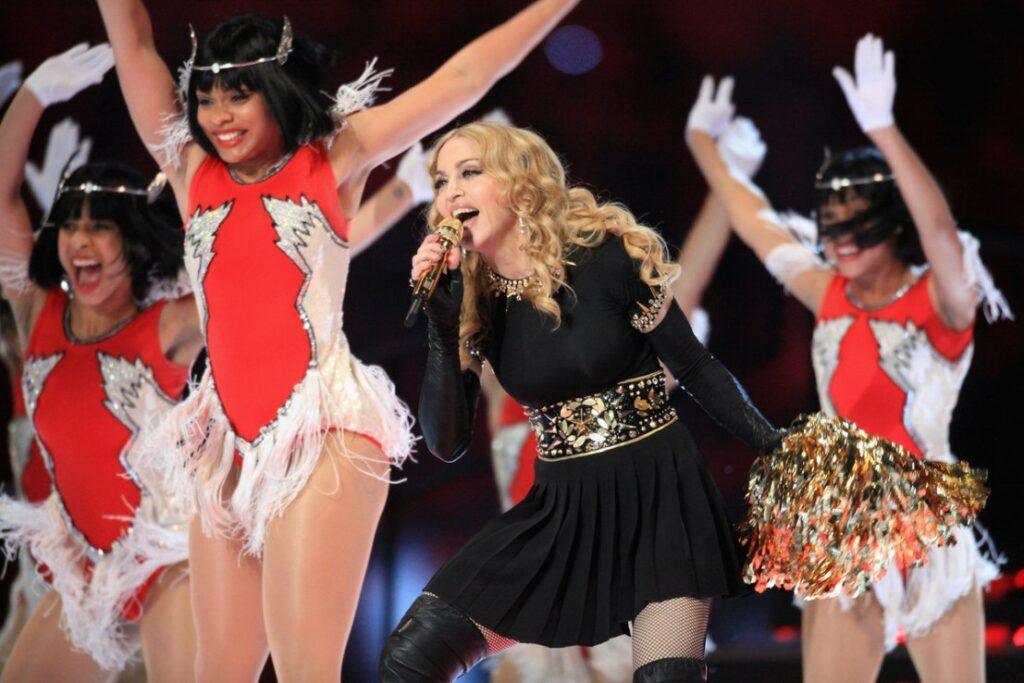
The recent decision regarding the absence of a half-time show in the World Cup final offers significant insights into the current landscape of global football. While many sporting events, especially in the United States, have embraced elaborate entertainment interludes, the World Cup stands apart, reaffirming its focus on the sport itself.
Shifting Perspectives in Global Football
The World Cup final, a pinnacle event in the sporting calendar, traditionally prioritises the game over supplementary entertainment. This decision reflects a broader evolution in the perception of football as a cultural phenomenon, where the essence of the sport remains paramount. Unlike major American events, such as the Super Bowl, which features high-profile performances, the World Cup maintains a commitment to the footballing experience, reinforcing its identity as a celebration of the sport.
Simon Dent, a seasoned entrepreneur and brand strategist with over two decades of experience in the realms of sport, entertainment, and creative industries, provides a unique perspective on these developments. Having transitioned from a legal career to founding and nurturing multiple businesses, including sports talent agencies and the esteemed creative agency Dark Horses, Dent’s insights are rooted in a deep understanding of both the commercial and cultural aspects of the industry. He is now the founder and chairman of Firmative, where he continues to influence the discourse surrounding sport and branding.
The Role of Entertainment in Sport
While the absence of a half-time show might seem unconventional to some, it serves to highlight a fundamental difference in how football is experienced globally. The decision not to incorporate a performance during the World Cup final suggests a deliberate choice to preserve the integrity and authenticity of the game. This approach contrasts sharply with other sports where the spectacle often overshadows the competition itself.
In many ways, this reflects a growing awareness among fans, players, and stakeholders alike. The focus on the game, rather than on entertainment, fosters a more profound connection to the sport and its heritage. As global audiences increasingly demand authenticity and a genuine connection to the events they cherish, the World Cup’s choice to forego a half-time spectacle may resonate deeply with its supporters.
Looking Forward: The Future of Football Events
As the landscape of global sports continues to evolve, the World Cup’s decision opens up a dialogue about the future of football events. Will other tournaments follow suit, prioritising the game over extravagance? As fans increasingly engage with the sport on a deeper level, there is potential for a renaissance in how we experience major football events.
Ultimately, this moment serves as a reminder of the importance of preserving the core values of football amid a rapidly changing entertainment landscape. The World Cup final’s emphasis on the sport itself could well set a precedent for future events, reinforcing the notion that the beautiful game stands strong on its own merit.



More Stories
Brewdog Founder James Watt Criticises ‘Complete Silence’ Surrounding His New Business Venture
UEFA to End FIFA Boycott and Intensify Discussions on Infantino During Champions League Draw
Reform Proposed to Cut HMRC Officials’ Salaries for Delayed Taxpayer Response