
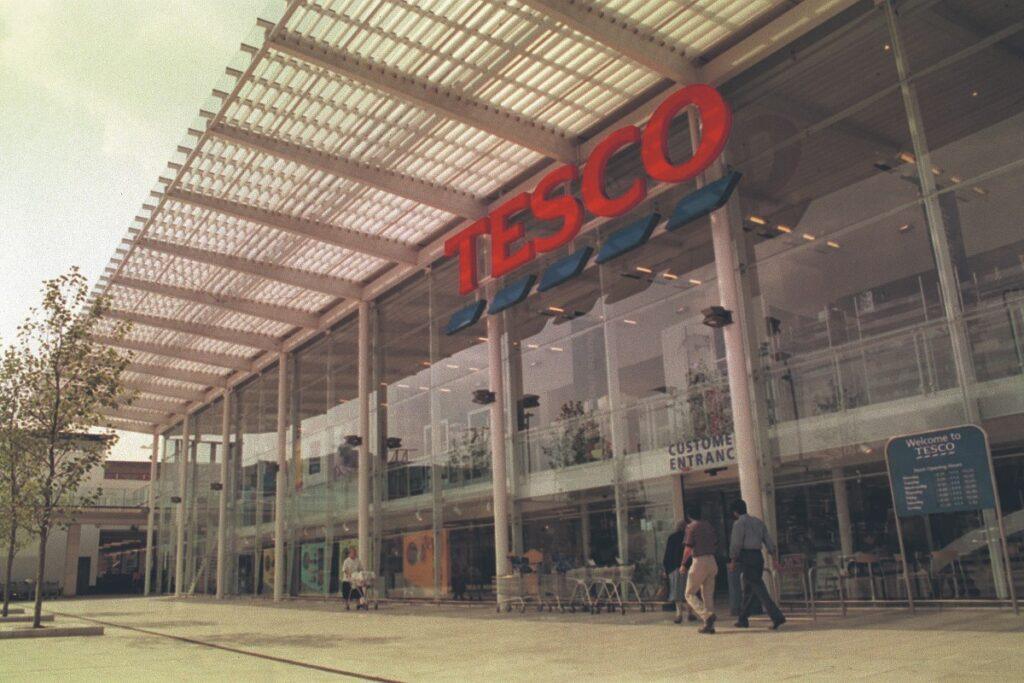
The owners of Lidl are positioned as leading contenders to acquire a number of Tesco stores as the well-known British supermarket chain embarks on a strategic divestment of its subsidiaries. This move comes amid Tesco’s efforts to streamline its operations and focus on its core business.
Strategic Shift for Tesco
In recent months, Tesco has been reassessing its portfolio, aiming to optimise its market presence and enhance financial performance. The decision to sell certain subsidiaries is part of a broader strategy that seeks to consolidate the company’s resources and improve efficiency. As the supermarket landscape becomes increasingly competitive, such measures are deemed essential for maintaining market share.
Lidl, a strong player in the discount grocery sector, has expressed a keen interest in expanding its footprint within the UK. The potential acquisition of Tesco’s stores aligns with Lidl’s growth ambitions and could significantly bolster its market presence. The negotiation process is expected to attract considerable attention from industry analysts and stakeholders alike.
Market Reactions and Implications
The interest shown by Lidl in Tesco’s subsidiaries has prompted various reactions within the retail sector. Experts suggest that this move could lead to increased competition in the grocery market, potentially benefiting consumers through better pricing and enhanced shopping experiences. However, the transition may also present challenges, such as the integration of different corporate cultures and operational strategies.
Additionally, the sale of Tesco stores may have implications for employees and local communities. As Tesco navigates this process, the welfare of its staff and the impact on local economies will likely remain a focal point of discussion. Stakeholders will be watching closely to see how these developments unfold and what they will mean for the future landscape of British retail.
The Future of Grocery Retail in the UK
This potential acquisition highlights the shifting dynamics within the UK grocery sector, where traditional giants are adapting to the rising influence of discount retailers. As consumers increasingly seek value for money, supermarkets must innovate and evolve to meet changing preferences.
The outcome of these negotiations could pave the way for a new era in grocery retail, with Lidl possibly setting new standards for customer service and product offerings in the areas it acquires. The implications of this shift extend beyond just the participating companies, as it may influence shopping behaviours and preferences across the nation.




More Stories
Businesses Call for Cost Cuts as Consumer Confidence Declines, Urges Healey
British Cybersecurity Firm Plans £11 Million AIM Float Amidst London IPO Resurgence
Tottenham Hotspur Bid Farewell to Another Key Off-Field Executive