
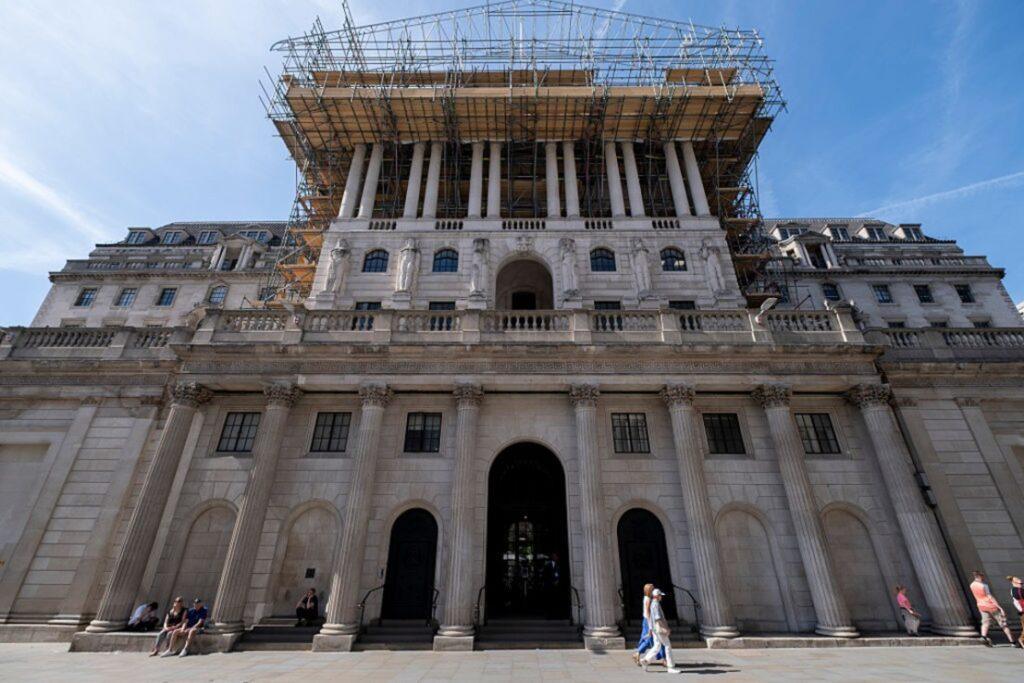
Urgent Call for a Shift in Monetary Policy
Leading economists are urging the Bank of England to reconsider its current strategy for unwinding quantitative easing, describing it as both costly and inefficient. These experts argue that the central bank has fallen behind in its approach to bond sales, which could have significant implications for the economy.
The call for a change comes amid growing concerns that the Bank’s existing measures may not effectively address the complexities of the current financial landscape. Critics suggest that a more proactive and agile response is necessary to navigate the challenges posed by inflationary pressures and a shifting global economy.
Concerns Over Economic Implications
Many economists express that the Bank of England’s slow pace in adjusting its bond-selling strategy could hinder economic recovery efforts. With inflation rates remaining a pressing concern, there is a consensus that the central bank must adapt more swiftly to changing market conditions.
Experts believe that maintaining the status quo may lead to prolonged economic uncertainty, which could ultimately undermine confidence in the financial system. A recalibration of the Bank’s approach may be essential to enhance its effectiveness in managing inflation and supporting sustainable growth.
The Need for a More Dynamic Approach
The prevailing sentiment among economists is that the Bank of England needs to adopt a more dynamic and flexible approach to its monetary policy. This would involve not only reassessing current bond sale strategies but also considering broader implications for fiscal policy and economic stability.
By embracing a more responsive framework, the Bank could better position itself to counteract emerging challenges while fostering a more resilient economic environment. The urgency of these discussions highlights a pivotal moment for the Bank as it seeks to balance between controlling inflation and supporting growth.
Engagement with Financial Markets
As the Bank of England contemplates its next steps, there is a growing expectation for enhanced engagement with financial markets. This could involve a more transparent communication strategy regarding its intentions and objectives, thereby fostering greater confidence among investors and the public.
In the face of evolving economic dynamics, a well-communicated strategy may not only reassure markets but also facilitate smoother transitions in monetary policy. It is imperative for the Bank to navigate this critical juncture with a clear vision and decisive action, ensuring that it meets both current and future economic challenges head-on.




More Stories
State Pension Crisis: Next Generation of Taxpayers Faces Financial Strain, Warns Healey
Claiming Women ‘Lack Confidence to Invest’ Is a Simplistic View of a Complex Issue
Discover Why the Outer Hebrides is Scotland’s Premier Wellness Retreat