
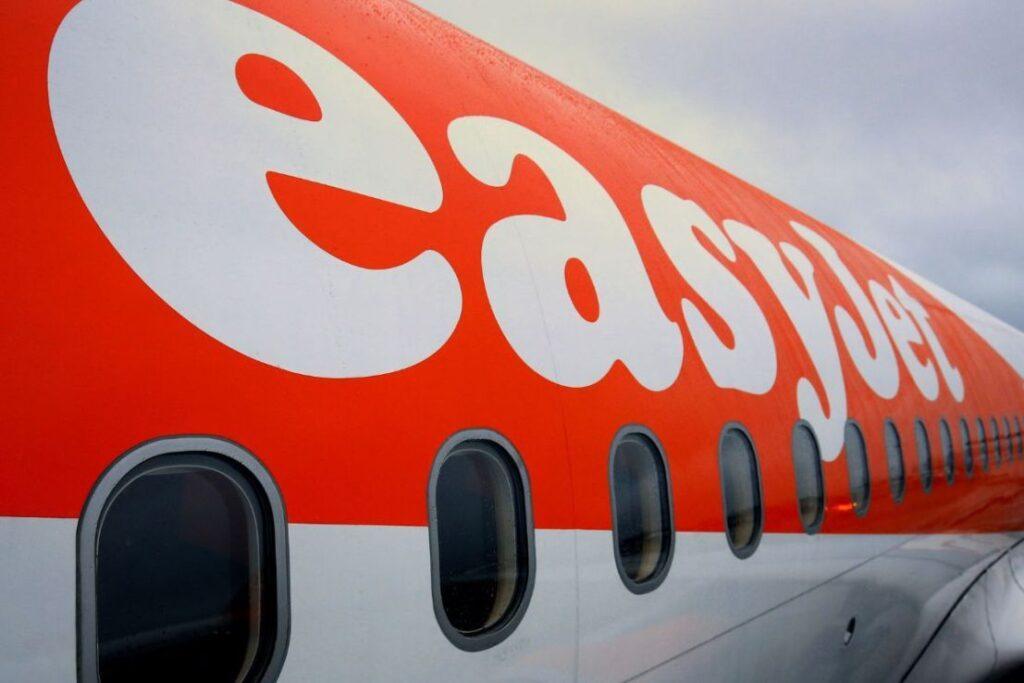
The bid of £6.90 per share for EasyJet falls short of the £7 per share that some shareholders were hoping to receive. This discrepancy has raised questions about the likelihood of a successful acquisition.
Shareholder Expectations and Market Response
Many investors in EasyJet have expressed their disappointment with the current offer, which does not meet their expectations. The £7 per share figure had become a benchmark for shareholders who believed that this amount would better reflect the airline’s potential value, especially as the travel industry continues to recover from the impacts of the pandemic.
Market analysts suggest that the reluctance of EasyJet’s founder to part with the company could further complicate the situation. The founder’s strong attachment to the brand and its future may lead to a more prolonged negotiation process. This sentiment could deter potential buyers who are looking for a straightforward acquisition.
The Implications of a Stalemate
If the current offer is not improved upon, it may lead to a stalemate where neither party is satisfied. Shareholders might push for a more competitive offer, while potential buyers might reassess their interest if they perceive that EasyJet’s leadership is unwilling to negotiate seriously. This could impact the airline’s stock performance, as uncertainty often leads to volatility in the market.
Investors will be closely monitoring any developments in the negotiations, particularly regarding the founder’s stance and the potential for revised bids. The outcome could significantly influence not only EasyJet’s future but also the larger landscape of the airline industry as it continues to navigate a post-pandemic recovery.
Future Considerations for EasyJet
As the situation unfolds, EasyJet’s management will need to consider its strategic options carefully. Maintaining a strong position in the market while addressing shareholder concerns will be critical. Any decision made in the coming weeks will have long-term implications for the company’s direction and investor confidence.
In essence, the challenge for EasyJet lies in balancing the expectations of its shareholders with the realities of its operational performance and market conditions. The bid will likely serve as a catalyst for ongoing discussions about the airline’s valuation and future prospects.




More Stories
Former Wasserman Talent Agency to Undergo Second Rebranding Following Ghislaine Maxwell Controversy
Midday Markets: Discover the One Tax You Can Rely On for Financial Gain
Impact of Bank Tax Raid on JP Morgan’s Canary Wharf Skyscraper: What You Need to Know