
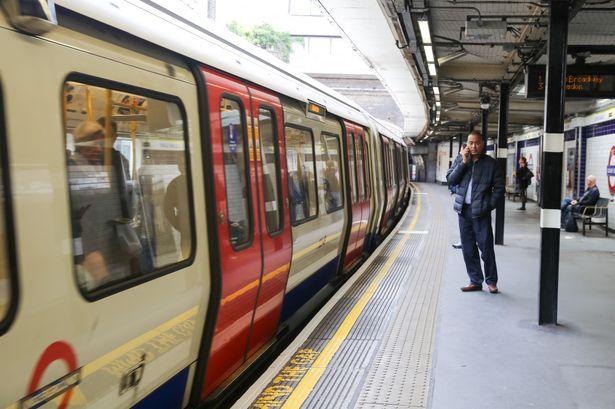
London is home to an extensive network of rivers, as well as a plethora of Underground stations. A notable intersection of these two elements can be observed at Sloane Square, located in the King’s Road area of Chelsea. This station, which operates within Zone 1 and serves the Circle and District lines, has an intriguing history tied to the River Westbourne.
The River Westbourne winds its way through several areas including Kilburn, Paddington, Hyde Park, and Chelsea, before merging with the River Thames at Chelsea Bridge. During the construction of Sloane Square station, engineers faced a significant challenge regarding the river’s path. Ultimately, they opted for a solution that involved cutting through the river itself, rather than rerouting it. To facilitate this, the river’s flow was diverted through pipes ahead of the station’s inauguration in 1868.
Historic Engineering and Modern Visibility
Even today, one can spot the aqueduct that carries the River Westbourne beneath the tracks, encased within a green-coloured conduit. Observant commuters may catch a glimpse of this feature while waiting on the platform near the exits. The station’s history is not solely defined by its engineering feats; it also bears the scars of wartime destruction. During the Blitz in World War II, Sloane Square station suffered a direct hit from a bomb. Remarkably, the piping system endured the blast, preventing severe flooding that could have resulted from the damage.
The explosion tragically claimed the lives of 37 individuals and injured 79 more who were on a train at the time. While the ticket hall, escalators, and station roof were utterly devastated, the iron pipe that channels the Westbourne remained intact, showcasing the resilience of the infrastructure.
The River’s Historical Significance
Historically, the River Westbourne was not only a natural feature but also a vital resource. Its waters were considered pure, leading to the construction of conduits in the 13th century that transported water from the river into the City of London for drinking purposes. This historical context adds another layer of interest for those visiting Sloane Square station.
So, the next time you find yourself at Sloane Square, take a moment to contemplate the hidden river beneath your feet. It serves as a reminder of London’s rich history and the intricate relationship between its waterways and urban development. For those keen to stay updated on London’s happenings, consider subscribing to our daily newsletters for the latest insights and news from across the city.




More Stories
Nepal Glacier Avalanche Triggers Devastating Flash Floods: 8 Confirmed Dead and Hundreds Missing
London bus strikes to resume this week as more than 1,500 Arriva drivers walk out
Working from home is breaking London’s backs