
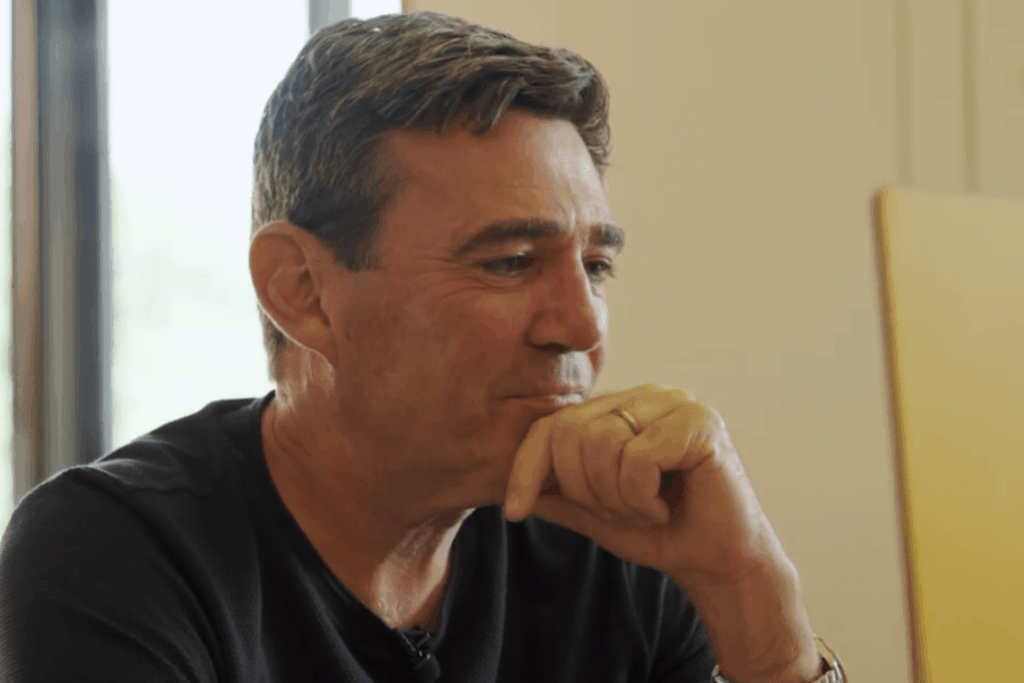
Andy Burnham, the Mayor of Greater Manchester, has indicated that he is open to the possibility of implementing a wealth tax as part of his economic strategy, emphasising the necessity for a “greater sense of fairness” within the UK. This statement highlights his ongoing commitment to addressing wealth inequality and fostering a more equitable economic landscape.
Burnham’s remarks come amid a growing discourse surrounding the need for reforms that would ensure a more balanced distribution of wealth in society. He believes that the current economic structures may not adequately reflect the needs of all citizens, particularly those from less affluent backgrounds. By potentially introducing a wealth tax, Burnham aims to create a more just system that could alleviate some of the financial burdens faced by the most vulnerable.
Addressing Economic Inequalities
In his recent comments, Burnham pointed out that many individuals are struggling to make ends meet while a small percentage of the population holds a significant proportion of the nation’s wealth. He argues that a wealth tax could serve as a tool to address these disparities, enabling the government to invest in essential public services and infrastructure that benefit everyone.
While specific details regarding the implementation of such a tax remain unclear, Burnham’s openness to this approach signals a willingness to explore innovative solutions to long-standing economic issues. His advocacy for fairness and social equity resonates with many who believe that the current fiscal policies disproportionately favour the wealthy.
Public Reaction and Future Implications
The idea of a wealth tax has sparked a variety of responses from the public and political commentators alike. Supporters argue that it is a necessary step towards rectifying economic injustices, while critics caution that it could deter investment and hinder economic growth. The debate is likely to intensify as Burnham continues to clarify his stance on this and other related economic policies.
As discussions around wealth distribution evolve, Burnham’s position may influence broader political narratives and strategies. His willingness to consider a wealth tax could pave the way for more comprehensive reforms aimed at achieving a fairer economic framework, potentially impacting future elections and policy decisions across the UK.
Looking Ahead
As the dialogue around wealth inequality continues, Burnham’s approach may inspire other leaders to adopt similar measures. The call for a wealth tax reflects a growing recognition of the need for systemic change in how wealth is accumulated and distributed. By prioritising fairness, Burnham is not only addressing immediate concerns but also laying the groundwork for a more sustainable and equitable economy in the long run.
Ultimately, the conversation surrounding a wealth tax is not just about fiscal policy; it encapsulates broader societal values and the vision for a fairer future. As Burnham navigates this complex issue, the implications of his proposals will be closely monitored by both supporters and opponents as they seek to understand the potential consequences for the nation.


More Stories
The Reset Rooms puts Pilates, yoga and recovery under one roof in Crouch End
Yoga studios in London
Weddings by Anita: documentary-style wedding photography in London