
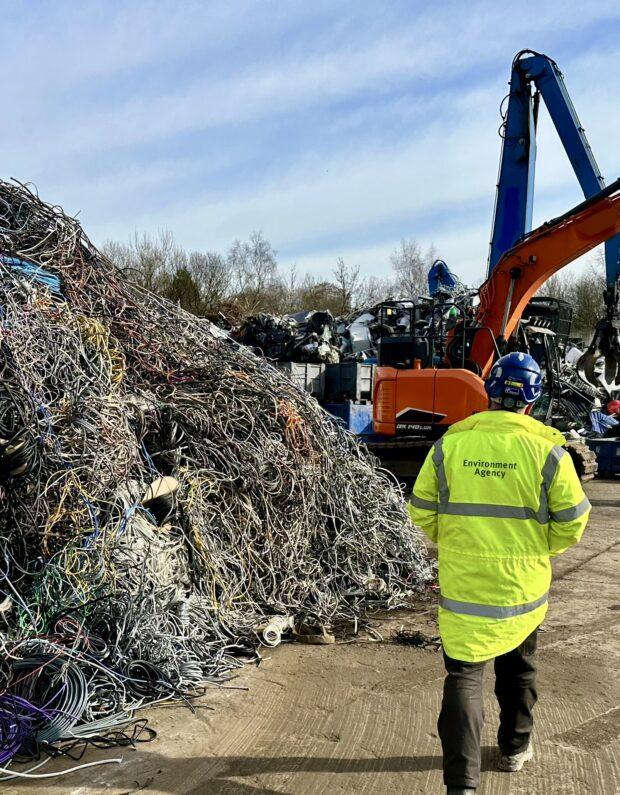
The Environment Agency serves as the primary authority in England tasked with ensuring effective waste regulation. As the population continues to expand and climate change presents new challenges, efficient waste management has become increasingly vital for a sustainable future. The regulations established by the Agency aim to minimise emissions and safeguard local communities from various issues, such as unpleasant odours, which can significantly impact residents’ quality of life.
Collaboration for Effective Waste Management
Successful waste regulation relies on a collaborative effort between two key roles. Waste site operators are responsible for the safe and legal operation of their facilities on a daily basis. Meanwhile, the Environment Agency’s role is to ensure these operators adhere to regulations that protect the environment through the issuance of permits, regular inspections, and enforcement actions when compliance issues arise.
The Significance of Waste Site Regulation
Waste sites are crucial for managing the waste generated by households, businesses, and public services. However, improper management of these sites can adversely affect local communities and the environment. Potential issues include pollution, unpleasant odours, litter, noise disturbances, pest infestations, fire hazards, and negative impacts on rivers, groundwater, and wildlife.
To mitigate these risks, many waste management activities—such as recycling, treatment, storage, and disposal—are subject to environmental permits and oversight by the Environment Agency.
Responsibilities of Waste Site Operators
The operator of a waste site holds the responsibility for compliance with the terms outlined in their environmental permit. This encompasses:
- Safe waste management
- Pollution prevention
- Odour, dust, noise, and litter control
- Fire risk management
- Conducting necessary monitoring
- Meeting all permit conditions
Operators must ensure these obligations are fulfilled on a continuous basis, as the Environment Agency does not manage waste sites or oversee their operations on behalf of the operators.
The Role of the Environment Agency
The Environment Agency’s primary function is to regulate waste sites throughout England. This involves several key activities:
- Evaluating permit applications
- Issuing environmental permits
- Conducting site inspections
- Assessing compliance with permit stipulations
- Investigating reports and complaints
- Taking enforcement action when necessary
The Agency’s focus is on safeguarding both people and the environment while ensuring that operators comply with the legal standards set forth.
Understanding Environmental Permits
Environmental permits establish the conditions that operators are required to follow. Some activities may fall under “standard rules permits,” which apply to common, lower-risk operations, while others necessitate bespoke permits that are tailored to the specific site and associated risks.
Permit conditions are designed to protect local communities and the environment, addressing factors such as odour control, emissions management, waste storage, site operation, and environmental monitoring.
The Enforcement Powers of the Environment Agency
The Environment Agency is equipped with various legal powers to address instances where operators fail to fulfil their responsibilities. Depending on the situation, the Agency may:
- Increase regulatory oversight
- Request improvements
- Conduct additional inspections
- Issue formal enforcement notices
- Suspend permitted activities
- Revoke environmental permits
- Initiate prosecutions for offences
The response is tailored to the severity of the issue, the risks involved, and the evidence at hand.
Addressing Non-Compliance at Waste Sites
When problems are detected at a site, the primary concern is assessing the environmental risk. The Agency may conduct an inspection, review monitoring data, evaluate permit compliance, and require the operator to undertake corrective measures.
While some issues can be swiftly resolved, others may be more complicated and require ongoing regulatory oversight. In cases of persistent non-compliance, the Agency escalates its response through formal enforcement measures.
Handling Abandoned Waste Sites
Abandonment of waste sites, particularly landfills, presents unique challenges. When a landfill is operational, the Environment Agency’s role is to regulate the site and ensure compliance with the environmental permit. The operator is responsible for managing pollution risks, maintaining infrastructure, and fulfilling closure and aftercare obligations.
Occasionally, a landfill site may be abandoned due to the operator ceasing operations, entering insolvency, or being unable or unwilling to manage the site. Determining legal responsibility for an abandoned site is complex and requires a case-by-case evaluation. Abandoned landfill sites can pose various issues, including landfill gas emissions, odour problems, leachate management, impacts on groundwater or surface water, land stability concerns, and deterioration of site infrastructure.
Importantly, the Environment Agency does not assume ownership or operational responsibility for abandoned sites. When involved, the Agency focuses on mitigating the risk of serious environmental pollution stemming from these challenges.
Prioritising Regulatory Efforts
With thousands of permitted activities to oversee across England, the Environment Agency must prioritise its resources effectively. Not all issues can be treated equally; therefore, the Agency allocates its efforts where they will have the most significant impact.
When determining how to respond to a situation, the Agency considers several factors, including:
- Risks to human health
- Risks to water, land, and air quality
- Impacts on local communities
- Likelihood of environmental harm
- Available evidence
- Urgency of the circumstances
This risk-based strategy enables the Agency to concentrate on the most pressing issues affecting people and the environment.
Collaborative Efforts for Community Protection
Effective regulation relies on the combined efforts of all stakeholders. Operators must fulfil their legal obligations, while communities contribute by reporting concerns and providing local insights. The Environment Agency’s role is to ensure fair and consistent regulation, employing the powers at its disposal.
The Agency acknowledges the significant impact waste sites can have on individuals’ everyday lives. Therefore, it dedicates its efforts to protecting communities and the environment, holding operators accountable, and taking necessary action when required.
For additional information and resources regarding the regulation of waste and waste sites in England, please visit the Waste Hub.




More Stories
Insulin Resistance: The Key Connection Uniting Metabolic Disorders
Uncovering the Long-Term Effects of Flooding and Coastal Change on Communities
2025 Report: Understanding Radioactivity Levels in Food and the Environment