
Climate change has transitioned from a distant concern to a pressing reality that many are experiencing firsthand. This summer has seen individuals grappling with persistent heat, parched gardens, diminished river levels, strained local water supplies, and the challenge of maintaining comfortable indoor environments amid extreme weather conditions. For some, these changes have raised worries about the fate of local wildlife, cherished rivers, and green spaces. Concurrently, natural ecosystems are under increasing stress, struggling to adapt to hotter and drier climates.
Recent studies indicate that, to alleviate drought conditions across England, we would require 120% of average rainfall over the next seven months. These circumstances offer a clear indication of what a changing climate may entail, providing a glimpse into the future as extreme weather events become more frequent and intense.
Communities Voice Concerns
It is common to hear from local communities, volunteers, and citizen scientists who express concern regarding the health of their rivers, the decline in biodiversity, and the overall state of the natural environments they cherish. I share these concerns wholeheartedly. Safeguarding both people and the environment against these escalating pressures is a key reason why scientific research is integral to the mission of the Environment Agency.
With the Met Office recently announcing that summer 2026 was the hottest on record for the UK, it is imperative to consider what such extreme temperatures signify for the future. Climate models suggest that the exceptionally high temperatures we experience today will increasingly become the norm in the coming decades. The Met Office aids in deciphering how changing weather patterns will affect our climate, while our responsibility lies in interpreting these changes in relation to communities, water resources, and the environment.
Understanding the Impact on Water Resources
What implications does a hotter summer have for rivers and wetlands? How does variability in rainfall affect water supplies? Which communities, habitats, and species are at risk? These are the critical questions our scientists are dedicated to answering daily. The UK’s ecosystems evolved in a climate characterised by abundant and predictable rainfall. However, as rainfall becomes less reliable, it may lead to flooding or runoff that is not easily retained, resulting in insufficient water to support rivers, wetlands, and other water-dependent ecosystems precisely when they are most in need. Meanwhile, the demand for water in society continues to escalate.
As the need for water rises during dry spells, the environment similarly requires increased water availability to maintain healthy rivers, wetlands, and habitats, thereby supporting the diverse wildlife that relies on these ecosystems.
The Role of Science in Environmental Management
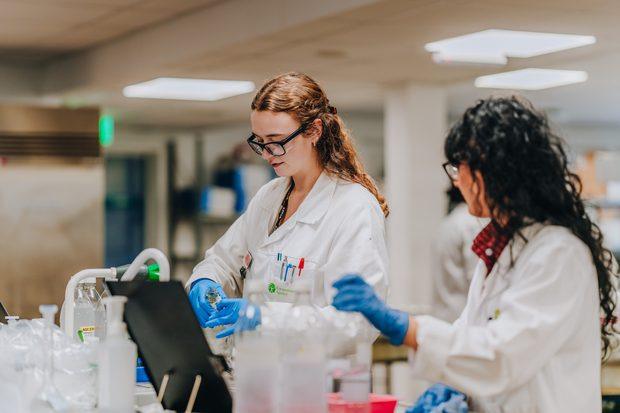
Scientific research is foundational to the Environment Agency’s regulatory practices, water resource management, and preparation for climate change. It enables us to comprehend present conditions, identify emerging risks, and strategise for future challenges. Most importantly, it allows us to transform evidence into actionable solutions.
Our scientists and hydrologists constantly monitor rainfall, river flows, groundwater levels, and reservoir storage across England. This data is crucial for understanding the progression of drought conditions and evaluating the risks posed to communities, water supplies, and the environment.
We collaborate with partners through the National Drought Group and regional drought groups to respond to evolving conditions in real time. By working alongside water companies, government bodies, farmers, and environmental organisations, we can implement practical measures such as enhancing monitoring of vulnerable rivers and habitats, promoting water efficiency, and managing water resources judiciously during dry periods.
Enhancing Knowledge of Climate Extremes
We are committed to deepening our understanding of how climate extremes affect both people and the environment. Our research focuses on identifying the most drought-vulnerable habitats, assessing pressures on rare river systems like chalk streams, and investigating the lengthy recovery periods that ecosystems may require following extended dry spells. Additional studies examine the potential impacts of rising water temperatures and changing water quality on ecosystems and wildlife.
Our efforts are not limited to addressing current conditions. We actively collaborate with partners to develop and utilise future climate projections, aiding our understanding of how shifting weather patterns may influence water availability, environmental resilience, and natural resource management in the coming decades. Investing in scientific research and evidence is essential for keeping pace with, and anticipating, the rapid environmental changes we face.
The Significance of Household Water Use
A surprising statistic is that around 51% of freshwater abstraction in England is attributed to public water supply, while agriculture accounts for only about 1%. This indicates that a substantial portion of the water extracted from the environment is used for daily activities within our homes, schools, workplaces, and public services. Consequently, individual actions hold significant importance, especially during prolonged dry spells when the pressure on rivers, groundwater, wildlife, and habitats can quickly escalate.
It is evident that individual actions can make a substantial difference. Water companies have noted the impact of consumer demand data, and research from the National Drought Group suggests that implementing restrictions such as hosepipe bans can reduce demand by up to 4.5%. Some water companies have reported demand reductions of approximately 9% following water-saving campaigns and restrictions.
Practical Water-Saving Tips
Every small action counts, and collectively, the efforts of millions of households can have a significant impact. Simple measures such as taking shorter showers, repairing leaks, using water judiciously in gardens, and discussing the importance of water conservation with others can contribute to reducing the demand for water from rivers and groundwater. This, in turn, helps safeguard supplies for the future and ensures that more water remains available for wildlife, wetlands, and the natural ecosystems that sustain life.
For further information on effective water-saving strategies, resources are available to assist individuals in making a positive impact.
Future Planning and Resilience
Climate change is already influencing how individuals experience their surrounding environments. Through scientific research, monitoring, forecasting, and comprehensive planning, we are enhancing our understanding of these changes and determining appropriate responses. As we transition into autumn, we rely on scenario planning to forecast potential recovery from drought, which is crucial for managing current pressures while preparing for future challenges.
However, building resilience is not the sole responsibility of one organisation. The choices we make regarding water usage, both during and between droughts, play a pivotal role in safeguarding future water supplies as well as the rivers, wetlands, and wildlife that enrich England’s natural heritage. By integrating scientific research, evidence, and collaborative action, we can effectively navigate the challenges posed by a changing climate, ensuring that both people and nature are better prepared for the future.




More Stories
Spotting the Subtle Signs of Pancreatic Cancer You Might Overlook
Unveiling PFAS: Insights from the Environment Agency’s Research on Persistent “Forever Chemicals”
Understanding Ferritin Face: Is It a Sign of Low Iron Levels or a Viral Skin Trend?