
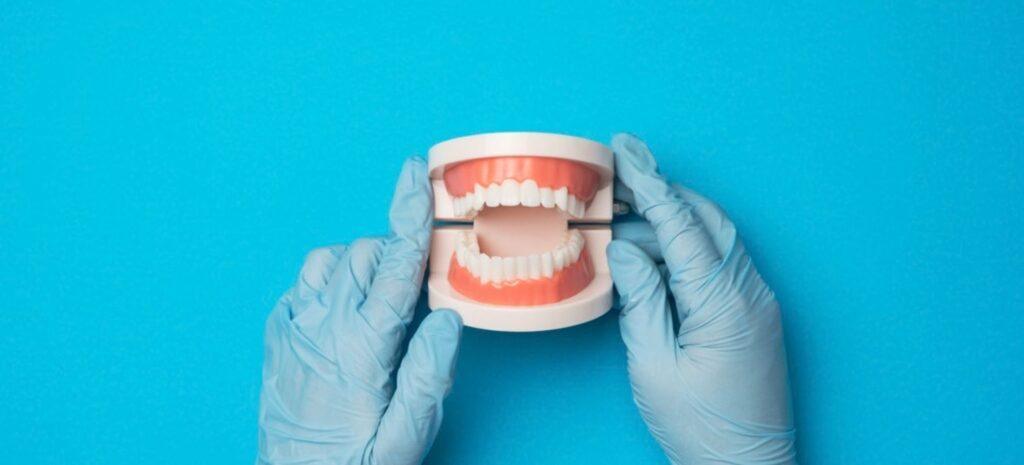
Bruxism, often unnoticed by those who suffer from it, is a repetitive behaviour characterised by grinding or clenching of teeth. Over time, this condition can lead to significant damage not only to dental health but also to the jaw and overall wellbeing. Understanding the causes, recognising the symptoms, and exploring preventative measures are vital steps for anyone who suspects they may be affected.
Understanding Bruxism and Its Causes
Simply put, bruxism entails the involuntary grinding or clenching of teeth. While many individuals may occasionally grind their teeth, persistent behaviour can result in considerable harm to dental structures, the jaw, and one’s health. Dr Anni Seaborne, Head of General Dentistry at a prominent dental care provider in the UK, emphasises that this condition often occurs subconsciously, with many individuals unaware that they are grinding or clenching their teeth, particularly during sleep.
“Bruxism can affect anyone,” Dr Seaborne explains. “Because it tends to happen unconsciously, you may only become aware of it when symptoms start to manifest.”
A pivotal factor contributing to long-term teeth grinding is stress and anxiety. These emotional states can lead to physical manifestations, such as clenching or grinding teeth, particularly during the night. “While stress affects everyone differently, it can sometimes surface through habits like bruxism,” Dr Seaborne notes. “Individuals may not realise they are engaging in this behaviour until they begin to experience discomfort, such as jaw pain or headaches.”
Recognising the Signs of Teeth Grinding
The incidence of bruxism has been on the rise, particularly during the pandemic, likely linked to increased stress and anxiety levels. Recognising the symptoms is crucial not only for identifying the condition but also for seeking professional guidance to manage it effectively.
“Bruxism can lead to significant wear on your teeth, particularly on the biting surfaces or near the gum line, where small fragments of enamel may break off,” Dr Seaborne warns. “These areas of wear are known as abfraction cavities and often present as tiny notches or ledges.”
Dental professionals frequently identify signs of bruxism during routine check-ups. If left unaddressed, it can give rise to complications, including issues with the jaw joint. Therefore, obtaining a professional diagnosis is essential, especially if stress or anxiety is determined to be the underlying cause.
Practical Solutions for Managing Bruxism
Dr Seaborne provides practical recommendations to alleviate discomfort associated with bruxism. The primary muscles involved in grinding, the masseter and temporalis, are interconnected with the neck and shoulders. Thus, tension in these areas can exacerbate jaw pain. Therapies such as physiotherapy or acupuncture can be beneficial in relieving muscle tightness.
Additionally, dentists may prescribe custom mouthguards or occlusal splints to protect teeth and reduce strain on the jaw. Although these devices may not entirely eliminate grinding, they are effective in preventing tooth damage and alleviating discomfort. “There are also treatments available that can help relax jaw muscles,” Dr Seaborne adds. “These work by blocking the signals that trigger clenching without impacting normal chewing functions. Effects typically last around 12 weeks, and over time, muscle activity may decrease, reducing the need for ongoing treatment.”
Seeking Professional Help for Underlying Issues
There is some evidence suggesting that bruxism could have a hereditary component, although further research is necessary to confirm any genetic links. If your bruxism is associated with anxiety or stress, it is advisable to consult with a dental or medical professional. They can help pinpoint the underlying causes and recommend appropriate support, which may include therapy, stress management techniques, or medication if necessary.
In summary, bruxism is a common and often overlooked condition that can lead to significant health issues if left untreated. By recognising the signs and seeking professional help, individuals can effectively manage and mitigate the impact of this condition on their lives.




More Stories
Nighttime Heartburn: Tips for Better Sleep Quality and Relief
Essential Signs of Jaw Arthritis: How to Safeguard Your Jaw Health
Essential First Aid Tips for Choking: Expert Guidance from St John Ambulance